
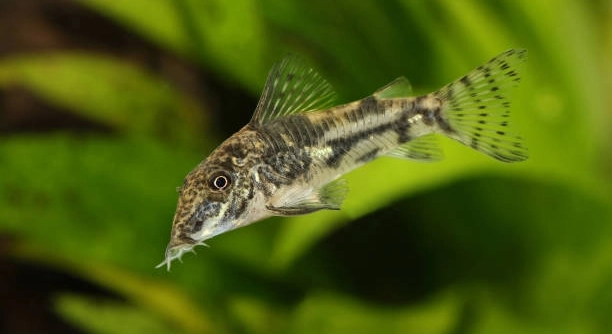
Are your Corydoras catfish spending too much time resting instead of exploring their tank for food? Encouraging natural foraging can help improve their health and keep them active throughout the day.
The most effective ways to encourage natural foraging behavior in Corydoras catfish include using a sandy substrate, offering varied food sources, and arranging hiding spots. These steps support both mental stimulation and physical activity, promoting overall well-being.
Learning how to create a more natural setup will bring out better behaviors and help your Corydoras feel right at home.
Use Fine Sand as Substrate
Corydoras catfish naturally sift through soft riverbeds to find food, so using fine sand in their tank is one of the best ways to support their instincts. Gravel can be too rough and may harm their sensitive barbels over time. A soft sand substrate allows them to forage comfortably, pushing their faces into the sand without injury. They enjoy exploring and gently digging for leftovers, especially in the early morning and evening. Keeping the sand clean is important too—regularly stir it or use a siphon to remove any waste. Uneaten food can sink in and rot, which affects water quality. Stick to sands that are smooth and chemical-free. Avoid sharp or coarse types that might look nice but can be harmful. Watching them root around is not just relaxing but also a sign they feel safe. A soft, sandy floor brings out more natural and engaging behavior.
Make sure to rinse your sand thoroughly before placing it in the tank to avoid cloudy water or build-up.
Providing the right substrate doesn’t just support their physical comfort—it helps your Corydoras behave more like they would in nature, which keeps them more active and healthy in the long run.
Offer a Variety of Sinking Foods
Corydoras don’t like chasing food at the surface, so sinking pellets and wafers work best for them.
A well-fed Corydoras is one that enjoys meals placed right where they live—at the bottom of the tank. Since they rarely swim up for food, you’ll want to feed them items that settle quickly. Go for a mix of high-quality sinking pellets, tablets, and even frozen or blanched vegetables like zucchini or peas. Bloodworms and brine shrimp, whether frozen or live, also give them something exciting to search for. Mixing up their diet a few times a week will give them more reasons to forage naturally. Avoid overfeeding, though—these fish are small, and excess food can spoil water conditions fast. Feeding should be done in the same spots each time so they associate certain areas with food and keep returning. This helps promote a routine and brings more movement to the lower levels of the tank.
Add Leaf Litter or Indian Almond Leaves
Leaf litter helps mimic the natural environment of Corydoras. Indian almond leaves break down slowly and release tannins that support better water conditions while also creating extra places for food to hide.
Corydoras enjoy sifting through soft, decaying plant matter, and dried leaves provide the perfect texture and feel. Indian almond leaves are safe and commonly used because they lower pH slightly and offer anti-bacterial benefits. As the leaves break down, they create a soft layer that traps small food particles, giving your Corydoras something to search through over time. Make sure not to overcrowd the tank with leaves. One or two medium-sized leaves are enough for a standard tank. Rinse the leaves before adding them and replace them every few weeks as they break down. The added cover also makes the fish feel safer and encourages more natural activity, especially in a calm and shaded tank space.
Over time, the presence of natural litter can help shy Corydoras come out more often. It gives them places to explore and soft surfaces to rest on. Combined with dim lighting and quiet surroundings, leaf litter supports more frequent foraging behavior. You’ll see them pushing gently through the leaves, searching for small treats hiding underneath.
Rearrange Tank Decorations Regularly
Corydoras get bored with a tank that stays the same for too long. Moving decorations, plants, and rocks around from time to time can make foraging more engaging and help reduce stress.
When the layout changes, it encourages your Corydoras to explore again. They’ll start checking under new spaces, pushing through plant roots, and brushing past ornaments they haven’t seen in a while. It mimics the ever-changing nature of riverbeds, where water flow and debris constantly shift the landscape. You don’t need to do anything drastic—just move a stone, swap plant positions, or shift driftwood slightly. These small updates help trigger foraging habits as the fish investigate every corner again. Just be careful to avoid sharp edges, and don’t remove all their hiding places at once. Stability is still important, so leave a few familiar spots intact. A small change every two weeks can be enough to keep them curious.
Use Live Plants to Create Shelter
Live plants offer shade and shelter, helping Corydoras feel secure. Feeling safe encourages them to forage more often during the day, especially when the tank has dim lighting and soft leaf cover.
Plants like Java fern and Anubias are sturdy and easy to grow. Their roots also help trap food bits.
Feed After Lights Go Out
Corydoras are more active when it’s dark or quiet. Feeding them shortly after lights go off encourages their natural foraging patterns. They’ll explore the tank bottom in search of food while feeling less exposed.
Use sinking pellets or small frozen foods that won’t float away quickly. Try to feed in the same spot to build habit. If you have other faster fish in the tank, use feeding rings or place food under decor to give your Corydoras better access. Once they learn the routine, they’ll be ready and waiting every time.
Keep Tank Mates Peaceful
Aggressive or overly active tank mates can scare Corydoras and limit their movement. Choose calm, peaceful fish that leave the bottom of the tank alone. This helps reduce stress and gives your Corydoras more time and space to forage safely.
FAQ
How often should I feed my Corydoras catfish?
Feed your Corydoras once or twice a day, depending on your tank’s setup and how many fish you have. Smaller, more frequent meals are better than one large feeding. They are bottom feeders, so the food should always reach the substrate. Try to feed them at the same times daily to establish a routine. If you have other fish in the tank, you may need to target-feed your Corydoras so they don’t miss out. Remove uneaten food after 20–30 minutes to avoid affecting water quality.
Do Corydoras need live food to forage naturally?
Live food isn’t required but it can help stimulate natural hunting and digging behavior. Bloodworms, daphnia, or blackworms give them something to actively search for and nibble through the sand. However, a varied diet of sinking pellets, frozen food, and blanched vegetables is usually enough. If you want to treat them occasionally, live food is a great choice, but always make sure it’s clean and safe to prevent introducing parasites. It’s best to feed live food once or twice a week, not daily.
Can I keep different types of Corydoras together?
Yes, many types of Corydoras can live peacefully together, especially if they have similar sizes and care needs. While they do best in groups of the same species, mixed groups often school together if kept in good numbers. Aim for at least six individuals in total. They’re social and feel more secure in larger groups. Just make sure your tank is large enough to support them all and that the water parameters meet the needs of each species. Avoid mixing with larger, more aggressive bottom dwellers that may compete for space.
Why do my Corydoras stay in one spot and not forage?
If they’re inactive, it could be due to stress, poor water quality, or lack of stimulation. Check the tank’s temperature, ammonia, nitrites, and nitrates. Bright lighting or loud surroundings may also make them hide. Make sure they have soft sand to dig through, hiding places, and tank mates that aren’t aggressive. Try adjusting the feeding schedule to nighttime and changing the tank layout a bit. These changes can help them feel more comfortable and lead to more foraging behavior.
Do Corydoras dig up live plants?
Corydoras will root around the base of plants but usually don’t damage them. If the plant is loosely anchored, they might accidentally uproot it. Choose sturdy, rooted plants or use plant weights to keep them secure. Floating plants or those attached to driftwood, like Java fern or Anubias, work well with Corydoras. Keep in mind that their movement through the substrate can disturb delicate plant roots, so planting in small pots or placing rocks around the base can help keep everything in place.
Is leaf litter safe for all Corydoras tanks?
Yes, as long as you use safe types like Indian almond leaves or naturally dried oak leaves. Avoid leaves from areas sprayed with pesticides. Leaf litter breaks down slowly and releases tannins, which slightly lower pH and provide antibacterial benefits. This setup is close to their natural habitat and encourages foraging. Just be sure not to add too many leaves at once. One or two medium leaves for a 20-gallon tank is enough. Replace them as they break down and remove any moldy pieces if they appear.
Final Thoughts
Encouraging natural foraging behavior in Corydoras catfish is not difficult, but it does take a bit of attention to their needs. These small bottom dwellers thrive in environments that feel safe, quiet, and full of things to explore. Simple choices like switching to fine sand, offering sinking foods, and adding leaf litter can make a big difference. These changes do not need to be expensive or complicated. In fact, just observing how your Corydoras respond and making small adjustments can go a long way in supporting their health and activity levels. Foraging is not just about feeding—it’s part of how they interact with their environment.
When Corydoras are able to behave naturally, they become more active and confident. You might notice them moving around more during the day, or working together to search through the sand. This is a good sign. It means they feel secure and are being mentally and physically stimulated. Using live plants, moving tank decor from time to time, and feeding at quieter times can help keep things interesting for them. These fish are very peaceful and do best when their surroundings support calm behavior. Loud filters, bright lights, or active tank mates can stress them out and cause them to hide or stop foraging.
Keeping Corydoras happy is about creating a balance between consistency and small, enriching changes. Their needs are simple, but they matter. A comfortable substrate, varied diet, and peaceful tank setup all work together to encourage the behaviors that make these fish so enjoyable to watch. Whether you’re just starting out with Corydoras or looking to improve their quality of life, focusing on natural foraging is a great step. With some patience and attention to detail, you’ll not only see healthier fish but also a more active and interesting aquarium. Taking the time to understand how they live and move will help you create a space where they can thrive.

Hello,
If you enjoy the content that we create, please consider saying a "Thank You!" by leaving a tip.
Every little bit helps us continue crafting quality advice that supports the health, happiness, and well-being of pets around the world, for pets of all shapes, sizes, and species.
We really appreciate the kindness and support that you show us!