
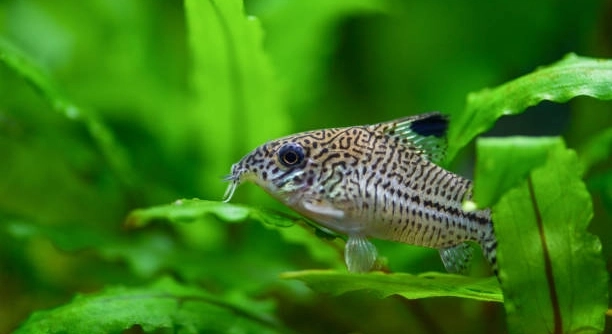
Corydoras catfish are peaceful creatures, often sought after for their calm nature in home aquariums. However, ensuring their safety in the tank requires attention to their environment and the other fish they share it with.
To reduce the risk of injury, create a stable and safe environment by maintaining proper water quality, avoiding aggressive tankmates, and using soft substrates. It is also essential to keep sharp objects or decorations that may harm the fish to a minimum.
Taking simple steps to improve your catfish’s tank setup can prevent injury and ensure they live a happy, healthy life. Keep reading to discover effective strategies to safeguard your Corydoras.
Proper Water Quality is Key
Maintaining good water quality is one of the most essential aspects of keeping Corydoras catfish healthy and safe. These fish thrive in well-filtered, clean water that is free from pollutants. Regular water changes and checking the water parameters, such as pH, ammonia, and nitrite levels, are necessary. Without clean water, Corydoras can become stressed, which may lead to injuries or weakened immune systems. To ensure their safety, you must maintain a stable environment. Water conditions can change quickly, so monitoring is crucial. Investing in a good filter will also help remove waste and toxins, keeping the water fresh.
A stable water temperature also matters. Corydoras prefer a range between 72-78°F (22-26°C). Keeping the water within this range prevents temperature fluctuations, which can stress them and make them more susceptible to injury or illness.
Keeping a regular schedule for water maintenance can help prevent problems. It’s a simple task but essential for the well-being of your fish.
Choosing Safe Tankmates
Tankmates play a significant role in the safety of your Corydoras catfish.
Aggressive fish may nip at their fins or chase them, causing injury. Choose peaceful species that won’t harass or crowd your catfish. Avoid larger, predatory fish that might view Corydoras as prey. Even if the tankmates are not aggressive, overcrowding can still stress your catfish. Corydoras need space to swim and hide. Providing plenty of hiding spots with decorations or plants is a good way to give them a sense of security. The more you can mimic their natural habitat, the better.
Safe, non-aggressive species, such as small tetras or peaceful shrimp, work well with Corydoras. However, you should always research compatibility before introducing new tankmates.
Soft Substrates to Prevent Injury
Using soft substrates like sand is crucial for Corydoras catfish. These fish naturally sift through the substrate for food, so a sharp, rough surface can cause physical harm. Gravel or rough stones may scrape their sensitive barbels, leading to injuries or infections.
Soft sand allows Corydoras to dig without the risk of damaging their delicate barbels. A gentle, fine-grained substrate reduces stress and promotes their natural behavior. You can also add smooth rocks or pebbles around the tank to create hiding spots. A soft substrate is one of the simplest but most effective ways to protect these peaceful fish.
When setting up the tank, ensure that the entire floor surface is covered with soft, fish-friendly material. This will not only keep your catfish safe but also encourage healthy, natural behaviors.
Safe Decorations and Tank Setup
Decorations are a fun way to enhance your aquarium, but they must be safe. Sharp edges on rocks, plastic plants, or decorations can cause serious injuries to your Corydoras. Always inspect any new item before placing it in the tank.
Opt for smooth, rounded rocks, driftwood, or silk plants. These materials are less likely to injure your fish while still offering hiding spots and stimulation. Properly placed decorations can also create territories and reduce stress among tankmates. Avoid placing objects that might obstruct swimming paths, as these can lead to accidents.
When setting up the tank, aim to create open spaces where Corydoras can move freely without risking injury. Proper placement of decor ensures your fish have a safe environment to explore.
Avoid Overcrowding the Tank
Overcrowding is one of the most common issues that can cause stress and injury to Corydoras catfish. A cramped tank limits movement and increases competition for food, leading to aggressive behavior and injuries.
A crowded tank can also make it harder to maintain water quality, as waste builds up quickly. Proper stocking levels allow for better water circulation and less stress. Be mindful of the tank’s size and avoid placing too many fish in one space.
Corydoras need plenty of space to swim and explore. Ensure there is enough room for each fish to thrive without overcrowding.
Monitoring Tank Water Temperature
Water temperature must be kept stable for Corydoras to stay healthy. These catfish prefer a range of 72-78°F (22-26°C). Fluctuations in temperature can cause stress and weaken their immune systems.
Maintaining a constant temperature will not only prevent injury but also promote overall well-being. A reliable heater and thermometer are essential tools to monitor and maintain the right environment. Temperature extremes can lead to disease or injury, so it’s crucial to avoid them. Keeping the water stable reduces the risk of complications.
Keep an Eye on Tank Lighting
Lighting in the tank should be moderate. Bright, harsh lighting can stress Corydoras, especially when they are not used to it. Excessive light can cause them to hide, reducing their natural behavior.
Provide a gentle light that mimics their natural environment. Low to medium lighting helps them feel secure and active. You can also use floating plants to diffuse light and create shaded areas. This ensures a balanced environment where Corydoras can stay active without feeling overwhelmed.
FAQ
How do I know if my Corydoras catfish is injured?
Signs of injury in Corydoras catfish can vary, but some common indicators include visible cuts, scrapes, or damaged fins. If you notice your fish swimming abnormally or hiding more than usual, it might be due to an injury. The fish may also have difficulty feeding or seem lethargic. Injured catfish may have swollen areas or red, inflamed spots. Keep an eye on any changes in behavior or appearance, as early intervention can help prevent further issues. Regularly observing your fish and maintaining a stress-free environment can help identify injuries quickly.
Can Corydoras catfish survive with tankmates that are too aggressive?
Corydoras catfish are peaceful and can be injured if housed with aggressive tankmates. Aggressive fish may chase, nip, or corner Corydoras, leading to stress or physical harm. It’s important to choose tankmates that are calm and non-aggressive. Avoid species known for fin-nipping or aggressive territorial behavior. If your tankmates show signs of aggression, consider separating them or finding more suitable companions for your Corydoras. A peaceful community tank is the best environment for these catfish to thrive without the risk of injury.
What are the best types of substrate for Corydoras catfish?
The best substrate for Corydoras is soft sand. Corydoras naturally sift through the substrate to find food, so a rough or sharp surface can injure their sensitive barbels. Sand allows them to move freely without causing harm. It’s important to choose fine, smooth sand that won’t scratch or hurt the fish. Avoid using gravel or sharp rocks, as they can cause cuts and abrasions. A soft substrate also mimics their natural environment, encouraging natural behaviors and helping maintain a healthy tank ecosystem.
How can I reduce the risk of injury when setting up a tank for Corydoras?
When setting up a tank for Corydoras catfish, focus on creating a safe and comfortable environment. Choose smooth, rounded decorations and avoid anything with sharp edges that could cause injury. Use soft, fine sand for the substrate and ensure there are plenty of hiding spots. Avoid overcrowding the tank, as a cramped environment can increase the risk of stress and injury. Make sure all equipment, such as filters and heaters, is properly secured and doesn’t have any sharp parts. Regularly check the tank for any potential hazards and adjust the setup as needed.
Are Corydoras catfish prone to injury from water quality issues?
Poor water quality can lead to stress, weakened immune systems, and injury in Corydoras catfish. Ammonia, nitrites, and high nitrates in the water can cause burns or skin irritation, leading to injury. It’s important to monitor water parameters regularly and maintain good filtration. Regular water changes help remove waste and prevent harmful buildups. Keeping the water clean and stable ensures a healthy environment for Corydoras, reducing the risk of injury. Ensuring proper water conditions is one of the easiest ways to prevent stress and physical harm to your fish.
What tank temperature is safest for Corydoras catfish?
Corydoras catfish thrive in temperatures between 72°F and 78°F (22°C-26°C). Fluctuations in water temperature can cause stress, weaken their immune system, and make them more vulnerable to injury. It’s important to maintain a stable temperature using a reliable heater and thermometer. A temperature that is too low or too high can lead to health problems, so consistency is key. Regularly check the temperature and adjust as needed to keep your fish comfortable and healthy. This helps to ensure they are not stressed or susceptible to injury.
What type of fish are safe to keep with Corydoras catfish?
Corydoras are peaceful fish, and the best tankmates are other non-aggressive species. Small tetras, peaceful livebearers, and other bottom dwellers like shrimp or snails make good companions. Avoid larger, aggressive fish that may nip at their fins or view them as prey. When choosing tankmates, consider the activity level and temperament of the fish. Fish that are calm and share similar water requirements will provide a safer and more stress-free environment for your Corydoras. Keep in mind that even peaceful fish can become aggressive under stress, so it’s crucial to monitor interactions.
Can I use plastic plants in the tank with Corydoras catfish?
It’s best to avoid plastic plants with sharp edges in a Corydoras tank. The rough texture can injure your catfish, especially their barbels or fins. Instead, opt for silk plants or live plants, as these are softer and less likely to cause harm. Live plants also contribute to better water quality by absorbing nitrates and providing hiding spots. If you choose plastic plants, ensure they are smooth and free from any sharp parts that could scratch or harm your fish. Always inspect decorations before adding them to your tank to make sure they are safe.
How often should I change the water in my Corydoras tank?
Regular water changes are essential to maintaining a healthy environment for Corydoras catfish. Aim for a 25% water change every 1-2 weeks, depending on the tank’s size and stocking levels. If the tank is heavily stocked or has poor filtration, more frequent changes may be necessary. Regular water changes help remove waste, maintain water quality, and prevent harmful buildups of toxins. Always use a water conditioner to remove chlorine and chloramine from tap water. Consistent water changes reduce the risk of injury and stress, ensuring your fish remain healthy and safe.
What are the best tank decorations for Corydoras catfish?
When decorating a tank for Corydoras, focus on providing hiding spots and a natural environment. Smooth rocks, driftwood, and live plants are great choices. Avoid decorations with sharp edges or rough surfaces, as these can cause injury to your catfish. Corydoras appreciate areas where they can hide and feel secure, so include plenty of plants or caves. The decorations should not obstruct swimming paths or crowd the tank too much. Creating a natural, comfortable environment encourages healthy behavior and minimizes the risk of injury. Always check that your decorations are fish-friendly.
Final Thoughts
Corydoras catfish are peaceful and hardy fish, but like all animals, they require a safe and stable environment to thrive. To prevent injuries, it is important to pay attention to the details of their tank setup and daily care. Overcrowding, sharp decorations, and poor water quality can all lead to stress and physical harm. By ensuring proper water conditions, using soft substrates, and selecting the right tankmates, you can significantly reduce the risk of injury to your Corydoras. A little extra care in these areas can go a long way in keeping your fish healthy and happy.
It’s also crucial to monitor their behavior and look for signs of injury or stress. Corydoras are generally active and social, but if they seem to be hiding more than usual or swimming erratically, this could be a sign of an issue. Regular water changes, proper filtration, and monitoring of tank temperature are essential for maintaining a balanced and safe environment. Even though these fish are generally resilient, small improvements in their care routine can have a significant impact on their well-being.
In the end, providing a safe and comfortable tank for your Corydoras is the key to preventing injuries and promoting long-term health. With the right environment, care, and attention, Corydoras catfish can live happily in your aquarium for many years. By following the steps outlined here, you’ll help ensure they enjoy a peaceful and injury-free life in their aquatic home. A little effort can make all the difference in keeping your fish safe, healthy, and thriving in their tank.

Hello,
If you enjoy the content that we create, please consider saying a "Thank You!" by leaving a tip.
Every little bit helps us continue crafting quality advice that supports the health, happiness, and well-being of pets around the world, for pets of all shapes, sizes, and species.
We really appreciate the kindness and support that you show us!