
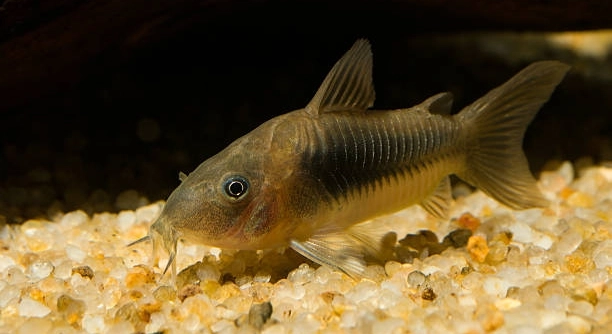
Sudden deaths of Corydoras catfish in a new tank can be distressing for any aquarium owner. Understanding the causes of these deaths is key to providing a healthy environment for your fish. This guide will cover helpful steps.
Corydoras catfish can suffer sudden death in a new tank due to several factors. These include poor water quality, improper tank cycling, stress, and inadequate temperature regulation. Ensuring proper tank maintenance and stable conditions can prevent such occurrences.
Maintaining the right environment for Corydoras catfish is essential for their survival and well-being. Learn more about how to keep your fish safe and thriving in a new tank.
Proper Tank Cycling is Essential
When setting up a new tank, it’s crucial to properly cycle the aquarium. The process involves growing beneficial bacteria that help break down harmful ammonia and nitrites, which are toxic to Corydoras catfish. Without these bacteria, the water quality will suffer, leading to stress and, eventually, death.
During the cycling process, it’s best to avoid adding fish until the tank has stabilized. This can take several weeks, so patience is key. Many aquarium owners rush to populate their tanks, but this can put the fish at risk.
Ensure the water parameters, such as pH, ammonia, nitrites, and nitrates, are within safe levels before introducing Corydoras catfish. Testing the water regularly during cycling will help you track the tank’s progress. If the levels are unsafe, it’s essential to adjust accordingly. Even with a well-cycled tank, a sudden spike in harmful substances can lead to the sudden death of your fish.
Monitor Water Temperature and Stability
Water temperature is crucial for Corydoras catfish, as they thrive in stable environments. Keeping the tank at a consistent temperature of around 72-78°F is ideal.
A heater with a reliable thermostat helps maintain this range. Sudden temperature fluctuations can cause stress and affect the fish’s immune system, making them vulnerable to diseases. Using a thermometer to monitor the temperature can give you peace of mind.
In addition, make sure the tank isn’t placed near windows or heat sources that may cause temperature changes. Keeping the temperature stable ensures your Corydoras catfish are less likely to experience stress or die unexpectedly.
Keep Water Quality in Check
Regular water changes are vital for maintaining a healthy tank. Aim to change 25-30% of the water weekly to prevent harmful toxins from building up. This helps keep your Corydoras catfish healthy and reduces the risk of sudden death.
In addition to water changes, test the water regularly for ammonia, nitrites, and nitrates. These substances can accumulate quickly in a new tank, and if left unchecked, can be fatal for Corydoras catfish. Invest in a reliable water testing kit to monitor the water quality.
Water quality also involves keeping the tank clean. Remove uneaten food and debris to avoid water contamination. Inadequate filtration or overfeeding can contribute to poor water quality, so be mindful of your cleaning routine. Keeping your tank clean and the water quality stable ensures a safer environment for your fish.
Avoid Overcrowding the Tank
Overcrowding a tank can lead to a range of issues for Corydoras catfish. The more fish there are in the tank, the higher the waste production. This can quickly lead to water quality problems and stress for the fish.
It’s best to avoid adding too many fish too quickly. Stick to the rule of thumb: one inch of fish per gallon of water. This will give your Corydoras enough space to swim and thrive. Not only does this keep water quality in check, but it also reduces stress for the fish.
Furthermore, overcrowding can lead to fighting among fish, which can cause injury or disease. Give your Corydoras catfish plenty of room to avoid these issues. A well-spaced tank allows for better water circulation and healthier, less stressed fish.
Use a Good Filtration System
A strong filtration system is essential for maintaining water quality. It helps remove excess waste and keeps the water clean. Without proper filtration, harmful toxins can build up, stressing your Corydoras catfish and increasing the risk of sudden death.
Choose a filter suited for your tank size and the needs of Corydoras catfish. Make sure it’s not too strong, as they prefer slower-moving water. Regularly clean and maintain the filter to keep it working effectively. A clean filter ensures proper water circulation and removes waste before it becomes a problem.
Reduce Stress Factors
Stress can be a major factor in sudden Corydoras catfish deaths. Factors like aggressive tankmates, sudden changes in water conditions, and poor tank setup can cause stress. It’s important to keep the environment peaceful and stable for your fish.
Provide hiding spots and gentle decorations to help your Corydoras feel safe. Avoid keeping aggressive fish with them, as this can cause constant stress. By maintaining a calm and secure environment, your Corydoras will thrive and avoid unnecessary health problems.
Properly Acclimate New Fish
Acclimating new fish to your tank is crucial. When introducing Corydoras catfish, take your time to gradually adjust them to the tank’s water conditions. This helps reduce the shock of sudden changes in water parameters, preventing stress or even death.
To properly acclimate, float the bag containing your fish in the tank for 15-20 minutes. Gradually add small amounts of tank water to the bag. After about an hour, you can gently release the fish into the tank. This ensures a smoother transition and lowers the chances of sudden death.
FAQ
What are the common causes of sudden Corydoras catfish deaths in a new tank?
Several factors can lead to sudden Corydoras catfish deaths in a new tank, including poor water quality, improper tank cycling, stress, and sudden changes in temperature. Without proper cycling, ammonia and nitrites can spike, which are toxic to fish. Additionally, overcrowding, poor filtration, or incompatible tankmates can create stressful conditions that negatively impact their health. Consistent water quality checks and creating a stable environment are crucial in preventing these issues.
How do I know if my Corydoras catfish is stressed?
Signs of stress in Corydoras catfish include unusual behavior such as staying near the surface of the water, hiding excessively, or darting around the tank. They may also show signs of rapid gill movement or loss of appetite. Stress can also cause physical signs like fading colors or irregular swimming patterns. If you notice these behaviors, it’s important to assess tank conditions such as water quality, temperature, and tankmates.
How often should I test the water in my new tank?
It’s essential to test the water in a new tank frequently, especially during the cycling process. During the first few weeks, test at least every other day for ammonia, nitrites, and nitrates. Once the tank is fully cycled, you can test weekly to ensure water quality remains stable. Regular testing helps you catch any issues early before they harm your fish.
Can I add other fish with Corydoras catfish in a new tank?
You can add other fish, but it’s important to choose compatible species. Corydoras are peaceful bottom dwellers, so avoid aggressive fish that might stress them out. Additionally, ensure that the new fish are properly acclimated and that the tank isn’t overcrowded. Adding fish slowly and waiting until the tank is fully cycled can help maintain water quality and reduce stress for all inhabitants.
How can I prevent ammonia spikes in my tank?
Ammonia spikes are often caused by overfeeding, overcrowding, or insufficient filtration. To prevent ammonia buildup, avoid overfeeding and remove uneaten food after a few minutes. Regular water changes, proper filtration, and tank cycling are also critical in preventing ammonia spikes. Adding live plants can help absorb some of the ammonia and improve the overall water quality.
What temperature is best for Corydoras catfish?
Corydoras catfish prefer water temperatures between 72°F and 78°F. Keeping the water within this range promotes healthy metabolic function and reduces stress. Sudden fluctuations in temperature can lead to health problems, so use a heater with a reliable thermostat to maintain a stable environment. Consistent water temperature is key for their overall well-being.
Can I feed my Corydoras catfish a variety of foods?
Yes, offering a variety of foods is beneficial for Corydoras catfish. Their diet should include high-quality sinking pellets, frozen or live foods like bloodworms, brine shrimp, and occasional vegetable matter like blanched zucchini or spinach. A varied diet ensures they get the nutrients they need to stay healthy and active. Make sure to avoid overfeeding, as excess food can degrade water quality.
How do I ensure my tank is properly cycled?
A tank is considered properly cycled when beneficial bacteria have established in the filter and substrate to break down harmful ammonia and nitrites. This process typically takes 3-6 weeks and involves monitoring water parameters regularly. You can speed up cycling by adding a source of ammonia, such as fish food or pure ammonia, and using a bacterial supplement. Once ammonia and nitrite levels are consistently at zero, the tank is fully cycled and ready for fish.
Can stress cause Corydoras catfish to die suddenly?
Yes, stress is a significant factor in sudden Corydoras catfish deaths. Stress can weaken their immune system, making them more vulnerable to disease and other health issues. Common stressors include poor water quality, unsuitable tankmates, overcrowding, and sudden changes in the tank environment. Ensuring a peaceful, stable environment can help minimize stress and keep your fish healthy.
Is it safe to use tap water for my Corydoras catfish tank?
Tap water can be used, but it’s important to treat it first. Most tap water contains chlorine or chloramine, which can be harmful to fish. Use a water conditioner to neutralize these chemicals before adding the water to the tank. Additionally, test the water for other parameters like pH, hardness, and mineral content to ensure it’s within the appropriate range for Corydoras catfish. If the water quality is not ideal, you may need to use distilled or reverse osmosis water instead.
Why isn’t my Corydoras catfish eating?
If your Corydoras catfish isn’t eating, it could be due to stress, water quality issues, or illness. Check water parameters to ensure they are within the proper range. Corydoras can be sensitive to water changes, so any fluctuation can affect their appetite. Other causes might include overcrowding or aggressive tankmates. If the fish continues to refuse food, it may be ill, and you should consider consulting an aquarium specialist.
What should I do if my Corydoras catfish is swimming erratically?
Erratic swimming can be a sign of stress, poor water quality, or a health problem. Check the water parameters and look for signs of injury or disease. If the water quality is within safe ranges, the fish may be stressed due to aggressive tankmates or environmental changes. Ensure the tank has plenty of hiding places and that the temperature is stable. If the erratic swimming persists, a visit to an aquarium vet may be necessary to rule out health issues.
Can I use a UV sterilizer to improve water quality?
A UV sterilizer can help reduce harmful bacteria, algae, and parasites in the water. While it’s not a replacement for regular filtration and water changes, it can be a useful tool in maintaining water quality, especially if you’re dealing with frequent bacterial outbreaks or algae growth. Make sure the UV sterilizer is appropriate for your tank size and follow the manufacturer’s instructions for optimal results.
Final Thoughts
Corydoras catfish are resilient and peaceful creatures, but they require a stable environment to thrive. Sudden deaths in a new tank can be heartbreaking, but with careful attention to water quality, tank conditions, and proper acclimation, you can create a healthy habitat for them. It’s crucial to monitor water parameters closely, especially during the tank cycling phase, as imbalances in ammonia, nitrites, and nitrates can be deadly. Consistent testing and regular water changes help ensure that your tank stays within the ideal range for your Corydoras catfish.
Another important factor is the quality of the tankmates. Corydoras are calm and peaceful fish, so they do best with other non-aggressive species. Avoid overcrowding the tank, as this can lead to stress and poor water quality. Providing plenty of hiding spots and gentle décor can help your Corydoras feel secure and reduce any stress caused by other fish. Stress is often a hidden cause of sudden deaths, and creating a peaceful environment is essential for your fish’s health.
By following these guidelines and being mindful of your Corydoras’ needs, you can significantly reduce the risk of sudden deaths in your tank. The key is consistency and observation. Keep an eye on their behavior, feed them a balanced diet, and ensure that the tank is always at the right temperature and clean. With a little care, your Corydoras catfish will be able to enjoy their new home for years to come.

Hello,
If you enjoy the content that we create, please consider saying a "Thank You!" by leaving a tip.
Every little bit helps us continue crafting quality advice that supports the health, happiness, and well-being of pets around the world, for pets of all shapes, sizes, and species.
We really appreciate the kindness and support that you show us!