
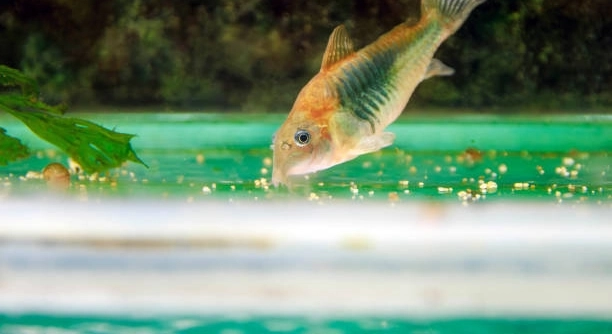
Corydoras catfish are popular aquarium fish known for their unique barbels. However, maintaining healthy barbels is essential for their well-being. This article explores simple methods to improve the health of your Corydoras catfish’s barbels.
To improve the health of your Corydoras catfish’s barbels, ensure a clean and well-maintained tank with optimal water quality. Provide a balanced diet, avoid sharp substrate, and perform regular water changes to keep their barbels free from damage and infections.
Taking care of your fish’s barbels is not just about their appearance but also their overall health. Maintaining a suitable environment will make a big difference in their quality of life.
Clean Tank Environment
Keeping your tank clean is one of the most important steps in maintaining healthy barbels for your Corydoras catfish. Regular water changes, cleaning the substrate, and removing any uneaten food will prevent harmful substances from building up. This will reduce the chances of infections and damage to their sensitive barbels. Use a soft sponge or algae scraper to clean the tank’s sides and decorations, ensuring there’s no buildup of harmful particles that could affect the fish. A clean environment encourages healthy growth of your fish and helps them thrive in the long run.
Routine maintenance is essential to avoid stress on your fish. Water filters should be cleaned regularly, and the tank should be fully emptied and sanitized every few months. This will prevent harmful bacteria from taking hold, ensuring your fish are in optimal health.
With regular care, your Corydoras will have a much better chance at maintaining healthy barbels. A clean tank also supports the overall health of your fish, giving them a safer environment to swim and explore. The effort put into keeping things tidy will pay off in healthier, happier fish.
Proper Diet
Providing your Corydoras with the right diet can have a significant impact on the health of their barbels. Feeding them high-quality sinking pellets, live foods like brine shrimp, and vegetables like blanched spinach will supply the nutrients they need for strong barbels and overall health. Overfeeding should be avoided, as this can lead to excess waste and poor water quality, which can affect the health of your fish.
A balanced diet with the proper vitamins and minerals strengthens your fish’s immune system, making them less susceptible to disease. If your fish have weak barbels, check their diet to ensure they’re getting enough nutrients.
Substrate Choice
The substrate in your aquarium plays a key role in the health of your Corydoras’ barbels. Sharp or rough substrates can easily cause injuries to their sensitive barbels. Smooth gravel or sand is the best choice. These materials won’t harm the fish as they move around the tank. They allow your Corydoras to forage comfortably without risking barbels damage.
It’s important to consider the texture and size of the substrate. If you’re using gravel, make sure the pieces are smooth and not too large. Sand, however, is the most ideal choice because it allows your fish to burrow naturally, preventing potential injury.
Regularly cleaning the substrate is also important. Detritus that gets trapped can cause water quality issues, affecting your fish’s overall health. By using a fine sand substrate, you’ll make your Corydoras’ habitat safer and more comfortable for them to thrive.
Avoiding Tank Mates That Could Cause Stress
Tank mates can influence the well-being of your Corydoras, especially when it comes to their barbels. Aggressive fish may nip or damage their delicate barbels. Avoid keeping them with species known to be overly aggressive. Fish with long, sharp fins can also unintentionally cause harm.
It’s a good idea to research the temperament of any species you plan to add to your tank. Corydoras are peaceful, bottom-dwelling fish, so it’s best to pair them with other non-aggressive fish that swim in different parts of the tank. If you do add tank mates, ensure there’s plenty of space and hiding spots for the Corydoras to retreat if they feel threatened.
Stress can also lead to weakened immune systems in fish, making them more vulnerable to infections. To ensure the health of your Corydoras and their barbels, make sure your aquarium is populated with compatible species and maintains a peaceful environment.
Maintain Optimal Water Parameters
Maintaining the right water parameters is crucial for the health of your Corydoras catfish and their barbels. Consistent temperature, pH, and hardness are key. Use a reliable water testing kit to monitor these levels and adjust as needed to ensure a healthy tank environment.
Your Corydoras prefer a water temperature between 72-78°F (22-26°C) and slightly acidic to neutral pH levels (6.5-7.5). If your tank’s water conditions fluctuate too much, it can cause stress and make them more susceptible to infections that could damage their barbels. Regular water changes help maintain stable parameters and keep your fish comfortable.
Test your water weekly to catch any issues early. A water conditioner may help remove harmful chemicals and ensure the water stays in the ideal range for your fish.
Avoid Overcrowding
Overcrowding your tank can lead to poor water quality and increased stress, both of which can negatively affect your Corydoras. Make sure your tank has enough space for each fish to thrive.
Corydoras need space to swim and forage comfortably. Overcrowding can also lead to a higher waste load in the tank, which affects water quality. In turn, poor water quality can harm their barbels and cause health problems. It’s important to research the tank size required for your specific fish species and plan accordingly.
Regular Observation
Keep an eye on your Corydoras regularly. This helps you spot any early signs of barbels damage or health issues. Watch for changes in behavior or appearance.
Observing your fish daily helps you notice any unusual signs of distress or injury. If you notice your Corydoras’ barbels are looking frayed or damaged, you can act quickly to address the issue. Sometimes, early intervention can prevent more serious problems from developing.
FAQ
How can I tell if my Corydoras catfish’s barbels are unhealthy?
Healthy Corydoras barbels are smooth, firm, and appear intact. If you notice them becoming frayed, shorter, or discolored, this could be a sign of damage or infection. In some cases, barbels can become swollen, which may indicate an infection. You might also see your fish rubbing its barbels against objects in the tank, which can be a sign of irritation or injury. If you notice these symptoms, it’s essential to assess the water quality and consider seeking treatment.
Why do my Corydoras catfish’s barbels get damaged?
Barbel damage often happens due to rough or sharp substrates in the tank. If your Corydoras are constantly moving across sharp gravel or rocks, they could hurt their barbels. Another cause is aggressive tank mates that might nip at the barbels. Poor water quality can also weaken your fish, making them more susceptible to injuries or infections. Ensuring your aquarium is safe, stress-free, and clean is essential for preventing barbel damage.
Can Corydoras catfish regrow their barbels?
Yes, Corydoras can regrow their barbels if they have been damaged. However, the regrowth process takes time and depends on the severity of the injury. In some cases, if the damage is too severe or if the fish is not in optimal conditions, regrowth may not occur. Keeping your water parameters stable and ensuring your fish is receiving proper care can help improve the chances of regrowth.
What is the best substrate for Corydoras to protect their barbels?
Sand is the best substrate choice for Corydoras catfish. It’s soft and gentle, allowing your fish to forage and move freely without risking injury to their barbels. If you prefer gravel, opt for fine, smooth gravel that won’t cause abrasions. Avoid sharp or jagged rocks, as these can cause severe damage to their sensitive barbels.
How often should I change the water in my Corydoras tank?
Water changes should be done regularly to keep the environment clean and healthy for your Corydoras. It’s generally recommended to change 20-30% of the tank water every week. This helps maintain good water quality by removing waste, toxins, and excess nutrients that could affect the fish’s health. Regular water changes are crucial in preventing conditions like ammonia or nitrite spikes, which can stress your fish and damage their barbels.
Do Corydoras need a filter in their tank?
Yes, a filter is essential for maintaining good water quality in a Corydoras tank. It helps remove debris, excess food, and waste, ensuring that harmful chemicals do not build up. However, the filter should not create strong currents, as Corydoras prefer calm waters. Choose a filter with adjustable flow to keep things gentle, and make sure it is cleaned regularly to avoid clogging and maintaining effective filtration.
What temperature should I maintain in my Corydoras tank?
Corydoras catfish thrive in water temperatures between 72°F and 78°F (22°C-26°C). Consistent temperatures are crucial for their overall health, as fluctuations can stress the fish, making them more vulnerable to disease. Use an aquarium heater to maintain a stable environment, especially during cooler months, and always check the temperature with a reliable thermometer.
Can I add salt to my Corydoras tank to help with barbel health?
While aquarium salt can be used to treat some types of infections, it’s not generally recommended for Corydoras catfish. They are sensitive to salt, and even small amounts can affect their health. If you suspect an infection, it’s better to use specific treatments designed for freshwater fish. Always check the compatibility of any medications or treatments with Corydoras before using them.
What kind of tank mates are best for Corydoras?
Corydoras are peaceful, bottom-dwelling fish, so they do best with other non-aggressive species. Small fish like tetras, guppies, and rasboras make good tank mates. Avoid keeping Corydoras with aggressive or large fish, as they might nip at the barbels or compete for food. Keeping them in a peaceful, well-balanced tank will reduce stress and support their overall health.
What signs indicate an infection in my Corydoras catfish?
Signs of infection in Corydoras can include swollen or discolored barbels, faded color, excessive rubbing against objects, and a lack of appetite. If you notice these symptoms, it’s important to test the water quality and take action immediately. Treating the infection promptly can prevent it from spreading to other fish and causing further health problems. If needed, consult with a veterinarian who specializes in aquarium fish.
How can I prevent Corydoras from injuring their barbels?
To prevent barbel injuries, ensure that your Corydoras are kept in a tank with a soft substrate, such as sand, and free from sharp or rough objects. Regularly clean the tank to avoid harmful debris that could irritate their barbels. Avoid keeping aggressive or nippy fish with them, as this can also cause injuries. By maintaining a peaceful and clean environment, you help protect their barbels and ensure they stay healthy.
Final Thoughts
Taking care of your Corydoras catfish’s barbels is an important aspect of their overall health and well-being. Barbels are vital sensory organs that help these fish navigate and search for food in the substrate. When barbels are damaged, it can lead to difficulty in foraging and potentially impact their immune system. Therefore, keeping your tank clean, maintaining the right water parameters, and providing a suitable environment are key to ensuring your Corydoras thrive. Proper care can prevent many common issues that affect their barbels, allowing your fish to stay healthy and active.
While taking care of their barbels is essential, it’s also important to keep an eye on their behavior and overall health. Regular observation will help you detect any signs of distress or injury early. If you notice any changes, such as frayed or damaged barbels, it’s best to act quickly. This may include adjusting water quality, checking the substrate, or reviewing the diet and tank mates to ensure your Corydoras are not under stress. A proactive approach is always better than waiting for problems to escalate, especially when it comes to the health of your fish.
Ultimately, maintaining a healthy environment for your Corydoras catfish doesn’t require complex procedures but a consistent approach. Small adjustments, like using sand as a substrate, feeding them high-quality food, and regularly checking water conditions, can go a long way in supporting their health. By keeping their tank peaceful, clean, and well-maintained, you create a space where your Corydoras can thrive, and their barbels will remain healthy. With the right care, these charming fish will continue to bring joy and beauty to your aquarium.

Hello,
If you enjoy the content that we create, please consider saying a "Thank You!" by leaving a tip.
Every little bit helps us continue crafting quality advice that supports the health, happiness, and well-being of pets around the world, for pets of all shapes, sizes, and species.
We really appreciate the kindness and support that you show us!