
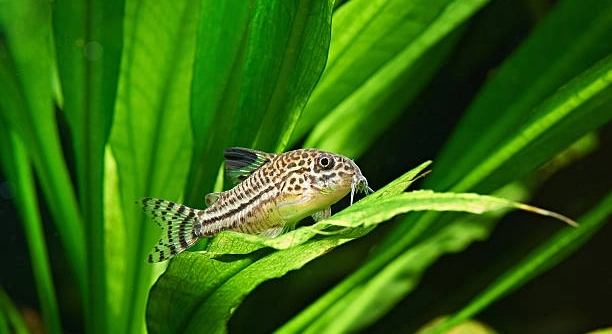
Have you ever noticed your Corydoras catfish flicking its fins more than usual and started to feel a little concerned? This tiny movement may seem harmless, but it could be signaling something important about their health or environment.
Fin flicking in Corydoras catfish is often a response to stress or irritation, commonly caused by poor water quality, parasites, or environmental changes. Identifying the root cause early can prevent more serious health problems from developing.
Recognizing the signs and knowing what to look for can make a big difference in your catfish’s well-being and overall comfort.
Poor Water Quality
Corydoras catfish are sensitive to changes in their environment, especially when it comes to water conditions. If the water in their tank isn’t clean or balanced, they may begin flicking their fins as a stress response. Ammonia, nitrite, and nitrate levels that are too high can irritate their skin and gills, making them uncomfortable. Sudden changes in pH or temperature can also affect their behavior. Even if the water looks clear, it doesn’t always mean it’s safe. Regular testing is necessary to ensure parameters stay within the safe range. Water changes, proper filtration, and consistent maintenance are important to help your Corydoras feel safe and calm. When the water quality improves, you may notice that the fin flicking becomes less frequent or stops entirely. Keeping a log of your water tests can help you track patterns and make adjustments before problems arise. Stability is key for their comfort.
Sometimes, even minor fluctuations in temperature or pH can trigger fin flicking. It doesn’t always take a big problem to cause a reaction.
Try testing the water weekly, especially if you’re seeing repeated fin flicking. Clean the tank regularly and avoid overfeeding. These small steps can prevent many common water-related issues.
External Parasites
External parasites like flukes or protozoa can cause constant discomfort. These tiny organisms latch onto the Corydoras’ body or gills, irritating the skin and making your fish flick its fins to find relief.
Parasites are often introduced through new fish, plants, or equipment that haven’t been properly quarantined. Symptoms may include rubbing against objects, labored breathing, or hiding more than usual. Flicking fins is one of the earliest signs, and it’s important to catch it before the infestation spreads. A closer look at your fish may show tiny white spots, cloudy patches, or even red areas from irritation. Treating the tank quickly with parasite-specific medications, following dosage instructions, and removing carbon from the filter can make a big difference. Make sure to isolate any new additions in a separate tank for a couple of weeks before introducing them to the main aquarium. Regular observation helps you catch unusual behavior early.
Chemical Irritants
Chemicals like chlorine, cleaning products, or aerosol sprays near the tank can affect your Corydoras. Even small amounts can irritate their gills or skin, causing them to flick their fins more often as a reaction to the discomfort.
Tap water often contains chlorine or chloramine, which should always be neutralized with a water conditioner before adding it to the tank. If you’ve recently cleaned the tank or equipment with soap, residue might still be present and harmful. Fumes from household sprays or air fresheners used near the tank can also dissolve into the water. Corydoras are bottom dwellers and tend to feel the effects more quickly when chemicals settle at the bottom. Try to only use aquarium-safe products when cleaning anything for the tank. Keep all non-aquarium sprays and cleaners far from the area to prevent chemical exposure through the air or surfaces.
Watch for signs like rapid gill movement, hanging near the surface, or darting around the tank. These can all appear alongside fin flicking. Perform a partial water change with dechlorinated water if you suspect a chemical irritant. Avoid using any soaps on aquarium gear. If the symptoms improve after cleaning the water, it’s likely something external caused the reaction.
Sudden Environmental Changes
Changes in temperature, lighting, or tank layout can stress Corydoras and lead to fin flicking. They prefer calm, steady surroundings and tend to react quickly when something shifts too fast or too often.
Even a small drop in temperature after a water change can cause discomfort. If your heater isn’t reliable or if there’s a draft near the tank, it might create unstable conditions that affect their behavior. Rearranging decorations, changing the substrate, or suddenly increasing the lighting intensity can also throw them off balance. These fish rely on consistency and a sense of safety in their environment. When you make adjustments, try to do it gradually. Use a thermometer to monitor temperature closely, and consider dimming new lights for a few hours each day as your Corydoras adjust. Keeping their home steady helps reduce stress-related behaviors like fin flicking.
High Flow or Strong Currents
Corydoras prefer calm, slow-moving waters. If the filter output is too strong or the water flow is intense, it can cause stress and lead to fin flicking. They may struggle to rest or swim comfortably in fast-moving currents.
Try adjusting the filter flow or adding decorations that break up strong currents. Plants, rocks, or driftwood can create calm areas where they can rest. A sponge filter is also a gentler option that works well in smaller tanks.
Tank Mates Causing Stress
Aggressive or overly active tank mates can cause stress. If your Corydoras are being chased, crowded, or nudged too much, they may flick their fins as a sign of discomfort or irritation. Choose peaceful tank mates that respect their space and habits.
Lack of Hiding Spots
Without enough hiding places, Corydoras may feel exposed and unsafe. This can cause stress and lead to behaviors like fin flicking. Use plants, caves, or small decorations to give them more shelter and cover.
FAQ
Why is only one of my Corydoras flicking its fins while the others seem fine?
It’s possible that the affected fish is more sensitive or has a slightly weaker immune system than the rest. Sometimes one fish shows signs of stress or irritation first, even if the tank conditions seem okay. It could also be dealing with a localized issue, like an early-stage infection, injury, or mild parasite load. Keep an eye on the others, as they may begin to show similar behavior if the cause isn’t addressed. Check water parameters, observe all fish closely, and consider isolating the one showing symptoms if it doesn’t improve within a day or two.
Can flicking be a sign of playful or normal behavior in Corydoras?
Corydoras are very active and often engage in quick movements, but consistent or repetitive fin flicking is not normal. It usually points to discomfort or a reaction to something in the tank. If it only happens occasionally during activity and stops when they rest, it might not be serious. But if the flicking is constant or paired with other symptoms like hiding, loss of appetite, or unusual swimming, then something is likely wrong. It’s always better to investigate and rule out health or environmental issues early before they get worse.
How long should I wait before taking action if I notice fin flicking?
You shouldn’t wait too long. If your Corydoras flicks its fins a few times and then stops, it might be a temporary reaction. But if it continues for more than a few hours or happens repeatedly over the day, it’s best to act. Start by testing your water parameters and doing a partial water change. Look for any changes in behavior, appearance, or interaction with other fish. The earlier you act, the easier it is to fix the problem without needing more serious treatments later on.
Do I need to use medication if I see fin flicking?
Not always. Medication should only be used after ruling out basic issues like poor water quality or stress from tank changes. In many cases, improving the water conditions or removing stressors can solve the problem. However, if flicking is paired with visible signs like spots, redness, or heavy breathing, a parasite or bacterial issue might be the cause. In that case, a targeted treatment may be needed. Always research the right medication, follow dosage instructions, and avoid treating the whole tank unless absolutely necessary.
Can overfeeding cause fin flicking?
Yes, indirectly. Overfeeding leads to uneaten food and more waste, which can quickly foul the water. This raises ammonia and nitrate levels, both of which can irritate your fish and cause stress. A stressed fish is more likely to show behaviors like fin flicking. Feed small portions that your fish can finish within a couple of minutes, and make sure to remove leftovers. Stick to a regular feeding schedule and monitor water parameters regularly, especially in smaller tanks where buildup happens faster.
Is fin flicking dangerous if it goes on too long?
Yes, it can lead to further health problems. Prolonged stress weakens the immune system, making your Corydoras more vulnerable to infections, parasites, and other issues. What starts as a simple reaction to mild irritation could develop into something more serious if left unchecked. Chronic flicking could also cause physical wear on the fins or skin if paired with rubbing. Don’t ignore persistent signs. Treating the issue early usually leads to a faster recovery and less risk of long-term harm.
Should I quarantine a Corydoras that’s flicking its fins?
It depends on what you observe. If the fish is eating, active, and shows no other symptoms, it may not be necessary to quarantine. However, if it becomes lethargic, shows visible signs of disease, or the behavior worsens, it’s safer to isolate it. Quarantining can help prevent potential spread to other fish and makes it easier to treat just one fish if needed. Use a separate tank with stable water, gentle filtration, and keep the setup simple. Observe for changes and treat based on symptoms.
Can fin flicking happen due to boredom or lack of stimulation?
It’s not a common cause, but a dull or empty tank might contribute to mild stress. Corydoras enjoy exploring and benefit from a varied environment with plenty of hiding spots, soft substrate, and areas to search for food. If their space lacks stimulation, they may become more reactive to small changes or irritants. While boredom alone doesn’t usually cause flicking, improving enrichment can reduce stress and promote healthier behavior overall. Adding more plants, structures, and occasional live food can help keep them engaged.
Final Thoughts
Corydoras catfish are peaceful, curious fish that do best in clean, stable environments. When you notice unusual behavior like frequent fin flicking, it’s usually a sign that something is bothering them. While it might seem like a small issue at first, it often points to a deeper problem such as poor water quality, external irritants, or stress from tank conditions. Paying attention to their behavior helps you catch problems early before they become serious. A healthy Corydoras is active, social, and relaxed. So when their behavior changes, it’s worth taking a closer look at what might be going wrong.
It’s important to keep their tank environment as stress-free as possible. Regular water testing, proper feeding habits, and a calm, well-decorated tank setup all make a big difference in their overall health. Watching out for aggressive tank mates, avoiding sudden changes, and not over-cleaning or using harsh chemicals will also help keep them comfortable. If you do notice fin flicking that doesn’t go away after a day or two, take action. Start with checking the basics—water quality, temperature, and flow—and observe if there are any other symptoms. Simple adjustments often bring noticeable improvements in just a short time.
Keeping Corydoras happy and healthy doesn’t have to be difficult. Once their needs are met, they’re easy to care for and very rewarding to watch. Their peaceful nature and cute behaviors make them a favorite in many home aquariums. Being consistent with maintenance and staying aware of small changes can go a long way. Even though they’re small, Corydoras show clear signs when something is off. Trust those signs and respond early. Over time, you’ll learn what’s normal for your fish and what isn’t. And that awareness is one of the best tools you can have when it comes to giving them a safe, calm space to live and thrive.

Hello,
If you enjoy the content that we create, please consider saying a "Thank You!" by leaving a tip.
Every little bit helps us continue crafting quality advice that supports the health, happiness, and well-being of pets around the world, for pets of all shapes, sizes, and species.
We really appreciate the kindness and support that you show us!