
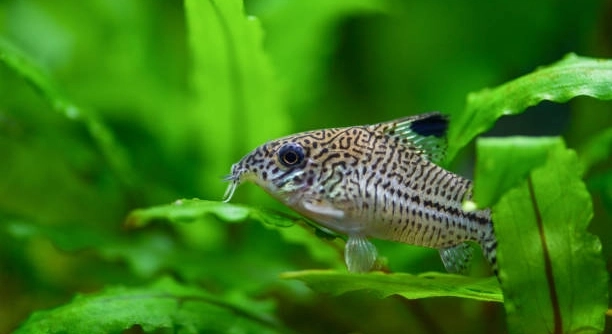
Corydoras catfish are known for their playful and active nature. However, when they avoid the substrate, it can raise concerns. Understanding the reasons behind this behavior can help maintain a healthy and balanced aquarium environment.
The most common reason your Corydoras might avoid the substrate is due to poor water conditions, including high ammonia levels, low oxygen, or improper pH. These factors can cause stress, making the catfish reluctant to interact with the tank’s bottom.
Addressing these issues will improve the well-being of your Corydoras and ensure a stable environment for them to thrive.
Poor Water Quality
When water quality is compromised, it can cause significant stress to your Corydoras. High ammonia or nitrite levels, low oxygen, or an improper pH can all affect their behavior. These fish are sensitive to changes in their environment, and even slight variations can make them hesitant to interact with the substrate. If the water conditions aren’t suitable, your Corydoras will likely avoid the bottom and spend more time at the surface. It’s crucial to test your tank’s water regularly to ensure it’s within the ideal range for your fish.
Improper water conditions can lead to behavioral changes, such as avoiding the substrate. Regular water checks are essential for maintaining a healthy aquarium.
Ensure your filtration system is working well and that water changes are done consistently. Adding plants or decorations can help reduce stress, offering your Corydoras areas to feel safe. The ideal water temperature for Corydoras is around 72-78°F, and the pH should be between 6.0 and 7.5. Keep an eye on these factors, and your fish will feel more at ease.
Overcrowding
Overcrowding is another common issue that can lead to stress. In a tank with too many fish, Corydoras may avoid the substrate due to competition for space.
A tank that is too full can leave little room for Corydoras to explore. This lack of space increases stress levels and causes them to avoid the substrate. A good rule of thumb is to ensure each fish has adequate space to swim and explore without feeling crowded.
Inadequate Substrate
The type of substrate in your tank plays a big role in your Corydoras’ behavior. If the substrate is too sharp or rough, it can cause discomfort, leading your fish to avoid it. Smooth gravel or sand is ideal for these fish.
Corydoras prefer soft, fine substrates like sand, which mimic their natural habitat. Rough or sharp substrates can hurt their sensitive barbels, making them hesitant to dig or forage. Ensuring that the substrate is smooth and easy to navigate will encourage them to explore the bottom of the tank. This creates a healthier environment where your fish can act naturally.
Keep in mind that a well-maintained substrate prevents harmful bacteria buildup, which can contribute to poor water quality. Regular cleaning is necessary to remove debris and waste. A good substrate also allows beneficial microorganisms to thrive, further improving the tank’s overall health.
Temperature Fluctuations
Corydoras are very sensitive to temperature changes. Sudden or extreme shifts in temperature can cause them to avoid the substrate and become stressed. Keeping the water temperature stable is crucial.
Maintaining a steady water temperature between 72°F and 78°F is essential for Corydoras. If the water gets too warm or too cold, they will seek refuge at the surface or avoid the bottom. Consistent temperature levels promote a more relaxed environment for your fish. Using a reliable aquarium heater with a thermostat can help regulate the water temperature, preventing sudden changes.
Frequent temperature fluctuations can lead to weakened immune systems and overall health issues. Ensure your aquarium’s temperature remains stable by monitoring it regularly. This reduces stress and encourages your Corydoras to interact more naturally with the substrate.
Overfeeding
Overfeeding can lead to poor water quality, which stresses Corydoras. Uneaten food accumulates on the substrate, affecting water chemistry. Make sure you only feed them what they can consume in a few minutes.
Uneaten food can cause harmful spikes in ammonia and nitrite levels. Regularly removing leftover food helps maintain water quality and provides a cleaner substrate for your fish. This encourages your Corydoras to feel more comfortable and engage with the bottom of the tank. Feeding smaller, more frequent meals can also help prevent overfeeding issues.
Inadequate Tankmates
Aggressive or overly active tankmates can intimidate Corydoras, causing them to avoid the substrate. Ensure your other fish are peaceful and compatible with Corydoras.
Corydoras are peaceful fish that thrive in calm environments. Tankmates that chase or harass them can cause stress and make them avoid the bottom. It’s important to pair them with other peaceful species that won’t compete for space or food. A balanced community tank encourages natural behavior and reduces the likelihood of substrate avoidance.
FAQ
Why is my Corydoras not moving on the substrate?
If your Corydoras isn’t interacting with the substrate, it could be due to water quality issues. High ammonia, nitrite, or nitrate levels can cause stress, making your fish hesitant to swim at the bottom. Poor water conditions often make Corydoras avoid the substrate as they try to escape discomfort. To address this, perform regular water changes, monitor water parameters, and ensure the filter is functioning well.
Can temperature changes cause Corydoras to avoid the substrate?
Yes, Corydoras are sensitive to temperature fluctuations. If the water temperature is too warm or too cold, they may avoid the substrate in search of a more comfortable area in the tank. A consistent temperature between 72°F and 78°F is ideal for them. Using a reliable aquarium heater can help stabilize the water temperature.
How does substrate type affect Corydoras?
Corydoras are bottom dwellers that enjoy sifting through the substrate. If the substrate is sharp or rough, it can hurt their sensitive barbels and cause them to avoid it. The best substrate for Corydoras is soft, fine sand, which mimics their natural habitat and is gentle on their barbels. Using smooth gravel or sand will encourage them to engage with the substrate more freely.
Can overfeeding cause Corydoras to avoid the substrate?
Yes, overfeeding can cause leftover food to accumulate on the substrate, affecting water quality. This can lead to ammonia spikes and make the tank environment uncomfortable for your Corydoras. Uneaten food on the substrate can also block the fish’s natural foraging behavior. To avoid this, feed only what your fish can consume in a few minutes and remove any leftover food promptly.
What is the ideal tank size for Corydoras?
Corydoras need ample space to swim and forage. A tank size of at least 20 gallons is recommended for a small group of Corydoras. Crowding them into a smaller tank can increase stress and prevent them from engaging with the substrate. Providing plenty of space will help them feel secure and more likely to interact with the bottom of the tank.
Can Corydoras avoid the substrate if they are stressed?
Yes, stress is a major factor in Corydoras avoiding the substrate. If they feel threatened or uncomfortable, they may avoid the bottom of the tank. Stress can be caused by poor water quality, inappropriate tankmates, or environmental factors like temperature fluctuations. Addressing the source of stress will encourage your Corydoras to return to their natural behavior.
Are there any specific tankmates that are best for Corydoras?
Corydoras thrive in peaceful, community tanks. They do well with other peaceful fish like tetras, guppies, and small livebearers. Avoid aggressive or overly active fish, as they may intimidate Corydoras and cause them to avoid the substrate. A peaceful environment will encourage Corydoras to feel safe and interact more naturally with the bottom of the tank.
How often should I perform water changes for Corydoras?
For optimal health, it’s recommended to perform partial water changes of about 25-30% every 1-2 weeks. Frequent water changes help maintain good water quality and reduce the build-up of harmful toxins like ammonia and nitrites. Regular testing of water parameters, such as pH, ammonia, nitrite, and nitrate levels, is also essential to ensure a stable environment for your Corydoras.
Can Corydoras be kept in a tank with live plants?
Yes, Corydoras do well in tanks with live plants. In fact, plants can help reduce stress and provide hiding spots, making your fish feel more secure. Be sure to choose plants with soft leaves, as sharp or hard-leaved plants can harm your Corydoras’ barbels. Live plants also help maintain water quality by absorbing excess nutrients.
Why is my Corydoras spending too much time at the surface?
If your Corydoras is spending excessive time at the surface, it could be a sign of low oxygen levels in the tank. Corydoras are bottom-dwelling fish, and they typically avoid the surface unless they need to breathe. Low oxygen levels can result from poor water circulation, overcrowding, or excessive waste. Adding an air pump or improving filtration can help increase oxygen levels.
How can I help my Corydoras feel more comfortable in the tank?
To make your Corydoras feel more comfortable, ensure they have a suitable substrate, good water quality, and peaceful tankmates. Adding plants, rocks, and hiding spots can help them feel secure and reduce stress. Regular maintenance, such as cleaning the substrate and performing water changes, is essential to keep the tank environment healthy for your fish.
Can water hardness affect Corydoras?
Yes, water hardness can impact the health of your Corydoras. These fish prefer slightly soft to moderately hard water, with a pH of 6.0 to 7.5. If the water is too hard or too soft, it can stress your fish and affect their behavior. Regularly testing and adjusting the hardness of your tank water can help create a more suitable environment for your Corydoras.
Final Thoughts
Corydoras catfish are hardy, peaceful fish that can thrive in a well-maintained aquarium. When they avoid the substrate, it is often a sign that something in their environment needs adjustment. Whether it’s water quality, temperature, substrate type, or tankmates, addressing these factors can help encourage your Corydoras to return to their natural behavior. Ensuring they feel safe and comfortable in their tank is key to their health and happiness. Small changes, like switching to a finer substrate or adjusting the tank’s temperature, can have a significant impact on how your fish interact with their surroundings.
One of the most important steps in addressing the issue is maintaining good water quality. Corydoras are highly sensitive to water conditions, and poor water quality can lead to stress and discomfort. Regular water changes and proper filtration are essential to keeping ammonia, nitrites, and nitrates in check. Monitoring water temperature and maintaining a stable environment will also prevent stress-related behavior. A consistent routine of tank maintenance ensures that your Corydoras will thrive and stay active in their aquatic home.
Tankmates also play a significant role in the well-being of Corydoras. Peaceful, non-aggressive fish will help your Corydoras feel secure and encourage them to interact more with the substrate. It is important to avoid introducing fish that might bully or chase your Corydoras, as this can cause them to retreat or become less active. With the right care, your Corydoras will feel at ease, exploring the bottom of the tank as they naturally would. By paying attention to their environment, you can ensure that these fascinating fish lead a happy and healthy life.

Hello,
If you enjoy the content that we create, please consider saying a "Thank You!" by leaving a tip.
Every little bit helps us continue crafting quality advice that supports the health, happiness, and well-being of pets around the world, for pets of all shapes, sizes, and species.
We really appreciate the kindness and support that you show us!