
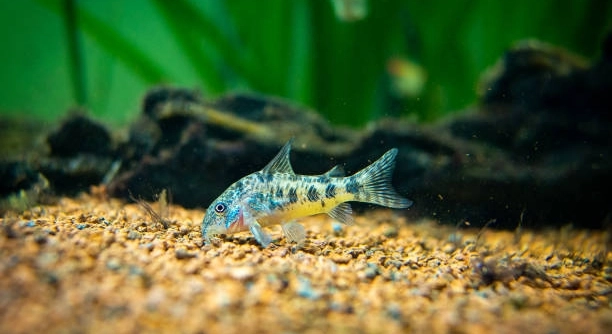
Corydoras catfish are known for their playful nature and are popular in freshwater aquariums. Many aquarium enthusiasts look for ways to encourage breeding in these fascinating fish. Understanding the conditions that support breeding can make all the difference.
To encourage breeding in Corydoras catfish, ensure they are in optimal water conditions, including proper temperature, pH, and water hardness. Providing them with a balanced diet, simulating seasonal changes, and offering suitable breeding substrates can further enhance the chances of successful breeding.
By creating the right environment and offering the best care, you can promote breeding in your Corydoras catfish and enjoy watching their natural behaviors.
Optimal Water Conditions
Water quality plays a critical role in encouraging breeding for Corydoras catfish. They thrive in slightly acidic to neutral water with temperatures ranging between 74–80°F. A stable water environment helps reduce stress, which is essential for spawning. Regular water changes and maintaining clean conditions prevent the buildup of toxins. When these fish feel comfortable, they are more likely to engage in breeding behaviors.
A filtration system that removes debris and maintains water clarity is essential. Overly high or low temperatures can disrupt breeding cycles, so it’s vital to keep the environment consistent. Ensure your tank’s pH level is between 6.5 and 7.5, as this range suits Corydoras’ natural habitat.
Temperature fluctuations can mimic seasonal changes, which can trigger breeding. Adding a heater can help maintain a steady environment. Use a thermometer to monitor water temperature and prevent drastic changes. Once these water parameters are met, Corydoras will feel comfortable enough to breed.
Provide a Balanced Diet
A varied and nutritious diet is crucial for breeding success. Offer high-quality pellets, live foods like bloodworms, and occasional vegetable matter. A balanced diet ensures your Corydoras are healthy and ready to spawn.
Healthy fish are more likely to breed. Ensure a mixture of protein-rich and plant-based foods, as this supports the fish’s energy levels and overall health.
Simulate Seasonal Changes
Corydoras catfish breed in response to environmental changes that mimic seasonal shifts. Lowering the tank temperature for a brief period can simulate the cooler months, followed by gradually raising it back to warmer temperatures. This temperature shift can stimulate their natural breeding instincts.
A common method is to reduce the temperature to about 68°F for several days. Afterward, raise it back to the ideal 74–80°F range. This change signals the transition from cold to warm water, which triggers the spawning process. Be sure to adjust the temperature gradually, as sudden changes can cause stress.
Additionally, increasing water changes during this period can mimic the rainy season in their natural habitat. Corydoras are more likely to breed when they experience a combination of temperature shifts and clean water. By simulating these conditions, you create the perfect environment for breeding.
Provide Suitable Breeding Substrate
Corydoras prefer to lay their eggs on smooth, flat surfaces like plants, rocks, or aquarium glass. Providing them with the right surface increases the chances of successful breeding. A substrate with minimal texture is key.
Using plants like Java moss or adding flat stones to the tank offers an ideal surface for egg laying. The smooth surface allows the eggs to attach securely, reducing the risk of them being eaten by other fish. Corydoras will seek out these spots to deposit their eggs, ensuring a higher chance of hatching.
By offering the right substrates, you create a breeding-friendly environment. These simple additions allow your Corydoras to feel secure enough to lay eggs, further improving the chances of successful breeding.
Keep the Tank Well-Filtered
A good filtration system is vital to maintaining water quality, which directly impacts breeding. A filter helps keep the water clear of debris and waste. This creates a healthier environment for your Corydoras to thrive and breed.
Ensure the filter is not too strong, as Corydoras prefer calm water. A gentle filter allows for proper water circulation without creating too much current. Clean the filter regularly to prevent buildup that could harm the water quality. Maintaining clean water encourages your Corydoras to breed without additional stress.
Add Some Privacy
Corydoras catfish are shy and like to have some privacy during breeding. Adding decorations like plants or rocks creates hiding spots where they can feel secure.
Providing these spaces makes the fish more comfortable and likely to breed. The added cover mimics their natural environment and reduces stress during the breeding process.
FAQ
What is the best temperature for breeding Corydoras catfish?
The ideal temperature for Corydoras breeding is between 74°F and 80°F. Keeping the temperature stable within this range encourages breeding behavior. A slight drop in temperature can mimic seasonal changes, signaling to the fish that it’s time to breed. Avoid sudden temperature fluctuations, as they can cause stress and disrupt the breeding process.
How can I tell if my Corydoras are ready to breed?
Corydoras catfish are typically ready to breed when they show increased activity and display courting behaviors, such as chasing and rubbing their bodies against each other. The female may appear slightly fuller, indicating the presence of eggs. If these signs are evident, it’s a good indicator that they are ready to breed.
How often should I change the water in a breeding tank?
Water changes should be performed regularly, ideally once a week, especially during the breeding period. Perform more frequent water changes, up to two or three times a week, if you are encouraging breeding. Clean water reduces stress and encourages breeding activity. Always ensure the water temperature matches the tank’s settings to avoid shock.
Do Corydoras need a breeding mate to spawn?
Yes, Corydoras catfish typically need a mate to spawn. Breeding is usually triggered when both male and female are present. Males will chase and court females, and once a pair has formed, they will engage in mating behavior. It is recommended to keep multiple males and females in the tank to increase the chances of successful breeding.
Can Corydoras breed in a community tank?
Corydoras can breed in a community tank, but it’s best to ensure the environment is suitable for breeding. Avoid keeping them with aggressive or large fish that may harm the eggs or stress the breeding pair. A peaceful tank with hiding spots and proper water conditions will help encourage breeding.
How long does it take for Corydoras eggs to hatch?
Corydoras eggs usually hatch within 3 to 7 days, depending on the water temperature. Higher temperatures speed up the hatching process, while cooler water may delay it. Ensure the water remains clean and stable during this period to maximize hatch success.
What should I do if my Corydoras eggs are being eaten?
If your Corydoras eggs are being eaten by other tank mates, consider moving the eggs to a separate breeding tank. You can also use breeding traps or small mesh netting to keep the eggs protected. Ensuring a peaceful environment with no other fish that could disturb the eggs will improve hatch rates.
Do Corydoras need special food for breeding?
A varied and nutritious diet is crucial during the breeding phase. Offer a combination of high-quality pellets, live foods such as bloodworms and brine shrimp, and occasional plant matter like spinach. This ensures your Corydoras are healthy and have the energy required to breed successfully.
How can I simulate the rainy season for Corydoras?
Simulating the rainy season can be done by slightly lowering the water temperature and performing frequent water changes. The cooler water and clean environment mimic the natural conditions Corydoras experience in the wild when breeding during the rainy season. This is an effective way to encourage spawning behavior.
Can I use a spawning mop for Corydoras?
Yes, a spawning mop can be used as an alternative to natural surfaces like plants or rocks. It provides a soft, flat area where Corydoras can deposit their eggs. Place the mop in the breeding tank, and ensure it is made from soft materials that allow the eggs to attach securely.
Why aren’t my Corydoras spawning?
If your Corydoras aren’t spawning, several factors could be at play. Ensure the water temperature is correct, and check that the pH and hardness levels are within the ideal range. Stress, poor water quality, and improper tank mates can also prevent breeding. Reevaluate their environment to encourage breeding behaviors.
Final Thoughts
Breeding Corydoras catfish requires providing the right environment, including maintaining stable water conditions, offering a nutritious diet, and creating suitable breeding spaces. By ensuring that the water temperature, pH, and hardness are within the ideal range, you create the best conditions for successful breeding. Small adjustments, such as simulating seasonal changes, can further help trigger their natural spawning behavior.
In addition to water quality, Corydoras catfish need a stress-free environment. Providing enough hiding spots with plants or rocks allows them to feel secure and comfortable, which is essential for breeding. A peaceful tank with compatible tank mates, along with regular water changes, will also support breeding efforts. Corydoras are shy fish, and creating a sense of privacy helps reduce stress during the breeding process.
Lastly, patience is important. Breeding Corydoras may take time, and not every attempt will be successful right away. However, with the right conditions and care, you will increase the chances of breeding success. Monitoring their health, making small adjustments, and observing their behaviors will guide you in encouraging breeding in your Corydoras catfish.

Hello,
If you enjoy the content that we create, please consider saying a "Thank You!" by leaving a tip.
Every little bit helps us continue crafting quality advice that supports the health, happiness, and well-being of pets around the world, for pets of all shapes, sizes, and species.
We really appreciate the kindness and support that you show us!