
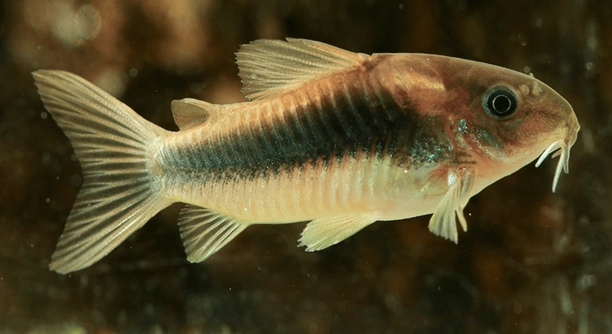
Are your Corydoras catfish part of a lively community tank but you’re unsure how to keep them happy and thriving?
To ensure your Corydoras catfish stay healthy in a community tank, you must provide clean water, peaceful tank mates, a soft substrate, and proper nutrition. These factors significantly contribute to their wellbeing and overall activity levels.
Creating the right environment helps prevent stress and illness, so learning how to support your Corydoras can make a big difference.
Keep the Water Clean and Stable
Corydoras catfish are sensitive to poor water conditions. In a community tank, waste builds up faster, so it’s important to stay on top of regular maintenance. Weekly water changes of about 25% help remove excess waste and keep harmful toxins low. Use a good filter that provides gentle flow and doesn’t disturb the bottom where Corydoras like to rest. Check water parameters often—ammonia and nitrites should always be at zero, and nitrates should stay under 20 ppm. A heater can help keep the temperature between 72–78°F, which is a safe range for most community tanks. Avoid sudden changes in pH or temperature, as Corydoras can stress easily. Stable water means a healthier tank, and a healthier tank means longer-living fish.
Even though they seem hardy, Corydoras respond quickly to poor conditions. Clean water helps prevent stress, infection, and other problems that are hard to reverse once they begin.
Watching their behavior is a good way to spot water issues early. If they’re hiding more, breathing fast, or not eating, it’s worth checking your tank conditions. A simple test kit can save a lot of trouble.
Choose Peaceful Tank Mates
Corydoras catfish do best with gentle, non-aggressive fish that won’t bother them during feeding or rest.
Avoid fish that nip fins or outcompete others for food. Corydoras are bottom dwellers, so active top and middle swimmers make better tank mates. Tetras, rasboras, guppies, and peaceful dwarf gouramis are good options. Larger or aggressive fish can bully Corydoras or stress them out, which can lead to poor health over time. Because Corydoras are social, they also need their own kind—aim for a group of at least five or six to help them feel secure. When they’re comfortable, you’ll see them swimming together and behaving more naturally. This kind of calm setting supports their immune systems and lowers the chance of stress-related illness. Choosing the right mix of fish creates a peaceful tank where all species have space to thrive. Feeding becomes easier, and you’re less likely to see injuries or signs of distress. A stress-free environment goes a long way in keeping your Corydoras healthy and active.
Feed Them a Balanced Diet
Corydoras need more than just leftover flakes. They should be fed their own food that sinks to the bottom, where they naturally search for it.
Use sinking pellets made for bottom feeders as their main food source. These pellets are made to meet their dietary needs and sink quickly, so the Corydoras don’t have to compete with top-feeding fish. You can also add variety with frozen or live foods like bloodworms or daphnia. Blanched vegetables like zucchini can be offered once or twice a week for fiber. Feeding them in the same spot helps them recognize where to go at feeding time. Be sure to clean up uneaten food to avoid water quality problems. Feed them once or twice a day, only as much as they can finish in a couple of minutes. Overfeeding can cause health issues and pollute the water, which affects their overall well-being.
Watch how they eat—healthy Corydoras will actively search the bottom of the tank for food, moving in little groups. If they ignore food or seem slow, it could mean something’s wrong. Keep an eye on them during feeding to make sure they’re getting their share, especially in tanks with faster fish. A consistent, proper diet helps them stay energetic and healthy long-term.
Provide Soft Substrate
Rough or sharp substrate can damage their delicate barbels. Choose a smooth material like sand to keep their underside and feelers safe from injury.
Corydoras use their barbels to search for food. When the substrate is too rough, these sensitive whiskers can wear down or get infected, leading to stress and health problems. Sand is ideal because it allows them to dig naturally without harm. If you prefer gravel, make sure it’s very fine and rounded. Avoid large or jagged pieces. A soft bottom also helps them feel more comfortable and act naturally. Their digging isn’t just for food—it’s part of their normal behavior. Providing the right substrate supports both their physical and behavioral needs. Keeping the tank bottom clean is also easier with sand, as waste sits on top and is easier to remove during maintenance. A safe and soft environment means fewer injuries and a happier, healthier fish.
Keep the Tank Calm and Low-Stress
Loud noises, sudden movements, or aggressive fish can stress Corydoras. A peaceful setup helps them stay active and healthy.
Use plants and decorations to give them places to hide. Dim lighting or floating plants can also help reduce stress and make them feel secure.
Maintain Proper Group Size
Corydoras are social fish and need to be kept in groups. Keeping at least five to six together helps them feel safe, encourages natural behavior, and reduces stress. When kept alone or in pairs, they may become shy, inactive, or even sick over time. A proper group lets them explore together, rest near each other, and communicate in their own quiet way. Watching a group of Corydoras interact is one of the most rewarding parts of keeping them. You’ll see them swim in small schools, sift through the sand, and rest side by side. A strong group helps each individual stay healthier and more active.
Quarantine New Tankmates
New fish can carry diseases that may harm your Corydoras. Quarantine them in a separate tank for at least two weeks before adding them to the community setup.
FAQ
How often should I clean my Corydoras catfish tank?
You should aim to clean your Corydoras tank weekly. This includes removing any debris, cleaning the filter, and performing a 25% water change. Make sure to vacuum the substrate to remove any waste trapped in the sand or gravel. Over time, organic matter like fish waste and uneaten food can break down and affect water quality, leading to stress or illness in your Corydoras. Keeping the tank clean is a simple yet effective way to ensure they stay healthy. Regular water testing is important too. Ammonia and nitrites should be kept at zero, and nitrates should be below 20 ppm.
Can Corydoras live with shrimp?
Yes, Corydoras can live with shrimp. In fact, they are often peaceful tank mates for species like cherry shrimp, ghost shrimp, or Amano shrimp. Corydoras generally don’t show interest in shrimp unless they’re really small. Larger shrimp species may even help clean the tank, reducing excess algae and waste. However, make sure to provide plenty of hiding spots for the shrimp, as they can sometimes become targets for more aggressive fish. The shrimp and Corydoras can coexist well when there’s enough space and proper care.
What is the best temperature for Corydoras?
Corydoras catfish prefer temperatures between 72–78°F (22–26°C). This range mimics their natural environment in slow-moving rivers and streams. If the water is too cold or too warm, your Corydoras may become lethargic or stressed. A consistent temperature is key, so invest in a reliable heater to keep things stable. Make sure the water doesn’t fluctuate too much, as sudden changes can weaken their immune system and make them more prone to illness.
Why is my Corydoras catfish not eating?
If your Corydoras isn’t eating, it could be due to stress, poor water quality, or an illness. Stressors like aggressive tank mates or rapid changes in water conditions can cause them to stop eating. Check the water parameters to make sure ammonia, nitrites, and nitrates are within safe ranges. Also, ensure your Corydoras is getting access to food—other fish may be outcompeting them for food, especially if they’re fast swimmers. If the problem persists, quarantine the fish and consider consulting an aquarium vet to rule out any underlying health issues.
Can Corydoras live with bettas?
Corydoras can generally live with bettas, as long as the betta is calm and non-aggressive. Bettas can be territorial, so make sure to watch their behavior, especially if the betta seems to chase or nip at the Corydoras. Corydoras are peaceful bottom dwellers and will usually avoid any confrontations. If your betta is particularly aggressive, it may be best to separate them, as they could cause stress or injury to the Corydoras. A well-planted tank with plenty of hiding spaces for both species will help ensure peaceful cohabitation.
How do I tell if my Corydoras is sick?
Signs of illness in Corydoras can include loss of appetite, unusual swimming patterns, lethargy, clamped fins, or discoloration. If your Corydoras is staying in one spot for too long, hiding excessively, or struggling to swim properly, it could be a sign that something is wrong. Look for visible signs like sores, lesions, or cloudy eyes, which could indicate an infection. Poor water quality often triggers stress or disease, so checking water parameters is essential. If you notice these symptoms, it’s best to quarantine the sick fish and treat it in a separate tank.
How long do Corydoras catfish live?
Corydoras catfish can live for 5 to 10 years if properly cared for. Their lifespan can be affected by water quality, diet, and tank mates. Keeping a clean tank, providing proper nutrition, and maintaining stable water conditions will help your Corydoras live a long, healthy life. A well-kept tank can significantly increase their chances of living to their full potential.
Why are my Corydoras hiding all the time?
Hiding behavior can be a sign of stress, illness, or poor water quality. Corydoras are naturally shy and may hide if they feel threatened. If you’ve recently introduced new fish or made significant changes to the tank, they might be adjusting to the new environment. Poor water quality can also cause them to seek shelter. Ensure your tank is clean, your water parameters are stable, and there’s enough hiding spots to make them feel safe. If hiding persists, check for other signs of illness or discomfort.
Can Corydoras live with goldfish?
Corydoras can technically live with goldfish, but it’s not always the best pairing. Goldfish are cold-water fish that require lower temperatures, which can be outside the ideal range for Corydoras. Goldfish are also messy eaters, creating more waste that can affect water quality. Corydoras might also get bullied by the larger goldfish, especially if there’s not enough space for both. It’s safer to keep them in separate tanks or ensure that the tank is large enough to accommodate both species comfortably.
Final Thoughts
Corydoras catfish are relatively easy to care for, but keeping them healthy in a community tank requires attention to their specific needs. From providing clean, stable water to ensuring they have peaceful tank mates, each step is crucial to their well-being. They are social fish, so a group of at least five or six is necessary to make them feel secure and comfortable. The right environment can encourage natural behaviors, such as swimming together, foraging for food, and resting peacefully on the tank bottom. When cared for properly, Corydoras can thrive in a well-maintained tank for many years.
A key factor in their care is water quality. Regular water changes, monitoring ammonia, nitrite, and nitrate levels, and maintaining a steady temperature are all important. These fish are sensitive to changes in their environment, so stability is essential. They thrive best when there is no sudden shift in water conditions, and keeping the tank clean will help prevent illnesses. A gentle filter and soft, clean substrate will also ensure that their barbels stay intact and free from injury, which is important for their ability to feed.
Choosing the right tank mates and feeding them a balanced diet also plays a big role in keeping Corydoras healthy. They do best with other peaceful fish that won’t outcompete them for food or cause them stress. A diet of sinking pellets, supplemented with occasional live or frozen food, will keep them well-nourished. By observing their behavior and making sure they have enough space and security in their tank, you can help your Corydoras live a long, happy life.

Hello,
If you enjoy the content that we create, please consider saying a "Thank You!" by leaving a tip.
Every little bit helps us continue crafting quality advice that supports the health, happiness, and well-being of pets around the world, for pets of all shapes, sizes, and species.
We really appreciate the kindness and support that you show us!