
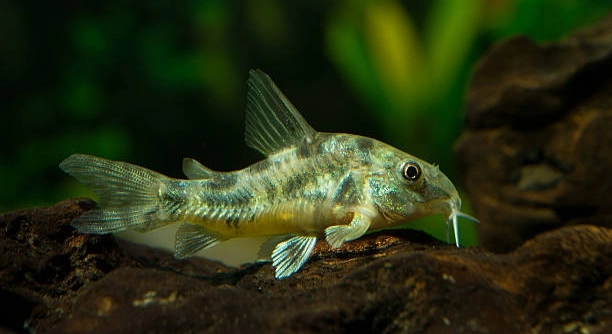
Are your Corydoras catfish acting skittish or hiding more than usual in your aquarium, even when the environment seems calm and stable?
Creating a secure habitat for Corydoras catfish involves adding hiding spots, maintaining calm tank mates, and keeping water conditions stable. These peaceful bottom-dwellers thrive in predictable environments that replicate their natural habitat and offer consistent safety cues.
Small adjustments to your tank’s setup can improve their comfort and overall well-being, helping them feel more at ease each day.
Add More Hiding Spots
Corydoras catfish rely on cover to feel secure, especially in busy or brightly lit tanks. Adding caves, driftwood, and dense plants gives them places to rest and avoid stress. These areas help reduce their instinct to hide constantly or dart around in fear. Try spreading the hiding spots across the tank to prevent competition or crowding in one area. Artificial decorations can work too, but natural-looking setups often create a more calming effect. Avoid sharp edges that could injure them. Keep the layout consistent to give your Corydoras a predictable environment where they feel safe and stable every day.
A cluttered tank isn’t the goal—focus on coverage that lets them retreat while still allowing enough open space for swimming and feeding.
Corydoras are bottom-dwellers and prefer staying close to cover even during active hours. A well-structured layout encourages them to explore more confidently without feeling threatened. It also minimizes unnecessary hiding or erratic behavior.
Choose Calm Tank Mates
Aggressive or overly active fish can cause stress for Corydoras. Choose peaceful companions that won’t chase or nip at them.
Avoid housing them with cichlids, tiger barbs, or fin-nippers. Instead, opt for mellow species like tetras, rasboras, or other community-safe fish. Corydoras are social and do best in small groups of their own kind, but tank mates should match their calm temperament. Fast swimmers or larger fish may unintentionally startle them, even if they aren’t aggressive. Watch for any signs of stress, such as excessive hiding or erratic swimming. Adjust your stocking if needed. A relaxed tank environment supports healthier behavior and better interaction between species.
Keep Lighting Soft and Consistent
Bright lights can make Corydoras feel exposed and uneasy. Use dim lighting or float plants on the surface to soften the glare. This helps them feel safer while encouraging more natural, calm behavior during active hours.
Corydoras are naturally shy and prefer dimmer environments that mimic the shaded areas of slow-moving rivers. Sudden changes in light can startle them, causing stress or erratic swimming. Try using a timer to maintain a regular light cycle of 8 to 10 hours daily. Floating plants like water lettuce or frogbit can break up harsh lighting and provide additional cover. Avoid placing the tank in direct sunlight, which can lead to both stress and algae growth. Keep any changes gradual—flipping lights on or off abruptly should be avoided.
Maintaining soft lighting also supports a peaceful atmosphere for other tank mates. It promotes natural activity rhythms and makes it easier for Corydoras to navigate their surroundings without feeling on edge.
Use a Soft Substrate
Gravel can irritate their barbels and affect how they search for food. A fine, smooth sand is a safer choice. It also lets them dig and forage naturally without discomfort or injury.
Corydoras use their sensitive barbels to sift through substrate in search of food. Rough or sharp gravel can damage these delicate feelers, leading to stress or even infections. Sand allows for safer foraging and encourages natural digging behaviors, which keeps them more active and comfortable. Choose aquarium-safe sand without dyes or sharp particles. Rinse it well before adding to the tank to avoid cloudiness. Spread it evenly to prevent compacted areas that trap waste. When changing from gravel to sand, make the transition gradual to minimize stress. A soft substrate also improves the overall look of the tank, offering a more natural and gentle appearance that suits the behavior and needs of bottom-dwellers like Corydoras.
Maintain Stable Water Conditions
Fluctuating water parameters can cause stress and make Corydoras feel unsafe. Keep the temperature, pH, and ammonia levels steady with regular water changes and testing. Stability helps them relax and encourages normal feeding and social behavior.
Use a reliable heater and thermometer to avoid temperature swings. Test the water weekly for ammonia, nitrites, and nitrates.
Avoid Loud Noises and Vibrations
Corydoras are sensitive to sudden vibrations or loud sounds. Tanks placed near speakers, slamming doors, or high-traffic areas can trigger stress responses.
Keep the aquarium in a quiet, low-traffic spot. Even tapping on the glass or dropping objects nearby can startle them. A calm setting encourages steady behavior.
Keep a Consistent Routine
Corydoras feel more secure when daily tasks like feeding, lighting, and maintenance follow a routine. Predictability helps them adapt and stay comfortable.
FAQ
How many Corydoras should be kept together?
Corydoras are social fish and should always be kept in groups. A group of six or more is recommended. Keeping them in smaller numbers can make them feel isolated, leading to stress and hiding. In a group, they interact more freely, show natural behavior, and feel safer. These fish rely on each other for cues and confidence, so the more of them you have, the more comfortable and active they will be. Always consider your tank size when choosing group numbers, but never keep them alone or in pairs long-term.
Can Corydoras live with bettas?
Yes, Corydoras can live with bettas in many cases, but it depends on the betta’s temperament. Corydoras stay at the bottom of the tank and are peaceful, so they usually don’t bother bettas. However, some bettas can be territorial or aggressive and may not tolerate other fish nearby. Monitor their interaction closely when first introducing them. Provide plenty of space and hiding spots for both species. If the betta shows constant aggression, it’s better to separate them. With the right setup, this pairing can work well.
Do Corydoras sleep or rest?
Corydoras do not sleep like humans, but they rest throughout the day and night. You may notice them sitting still at the bottom of the tank or under cover, often in a relaxed position. They usually rest during quiet periods, especially when lights are dim or off. During rest, they remain alert to changes in the environment but slow down their movement. Keeping a consistent light schedule helps them maintain a natural rest cycle. Avoid sudden disruptions like tapping the glass during their quiet time.
What should I feed my Corydoras to keep them healthy?
Feed Corydoras a varied diet to keep them healthy and active. Use sinking pellets or wafers made for bottom-dwellers as their main food. Supplement their meals with occasional treats like frozen bloodworms, daphnia, or brine shrimp. Blanched vegetables like zucchini or cucumber slices are also suitable. Feed them once or twice a day, and remove any uneaten food after a few hours. This prevents water quality issues and keeps them from overeating. A well-rounded diet helps support their immune system and natural foraging instincts.
Do Corydoras clean the tank?
Corydoras help eat leftover food on the tank bottom, but they are not true cleaners. They don’t eat algae or fish waste. It’s a common misunderstanding that they replace regular tank maintenance. You still need to vacuum the substrate, perform water changes, and clean decorations and filters. Relying on them to “clean” the tank can result in poor water quality. Think of their foraging as a bonus, not a replacement for care. Keeping a clean tank supports their health and keeps the environment safe.
Why are my Corydoras darting to the surface?
Corydoras naturally gulp air from the surface using a special part of their intestine, which functions like a lung. This behavior is normal when done occasionally. However, if they are constantly darting to the surface, it may signal low oxygen levels in the water. Check your filtration and consider adding an air stone to increase surface agitation. Also, test for ammonia and nitrites, as poor water quality can reduce oxygen availability. A balanced setup with good aeration should minimize excessive surface breathing.
Can Corydoras live in a planted tank?
Yes, Corydoras thrive in planted tanks. Live plants offer them cover, shade, and help maintain water quality. Choose hardy plants like java fern, anubias, or Amazon sword that tolerate root disturbance. Since Corydoras forage through the substrate, avoid delicate plants with fragile roots unless they are attached to driftwood or rocks. Keep the layout open enough for swimming while offering plenty of shaded areas. A planted setup mimics their natural environment and makes them feel more secure.
Final Thoughts
Corydoras catfish are peaceful, active, and social fish that bring calm movement to the bottom of any freshwater tank. Helping them feel safe is not difficult, but it does take a bit of attention and consistency. These small fish rely on their environment and social structure to feel secure. Things like soft lighting, a quiet room, and proper tankmates all add to their sense of safety. While they are hardy, they still need care that supports their natural habits. Giving them a stable home helps prevent stress-related problems and encourages healthy behavior.
Keeping them in groups of six or more is one of the most important things you can do. Corydoras are schooling fish and depend on each other for comfort. Hiding spots are also helpful. Use driftwood, caves, and plants to provide areas where they can rest or retreat. These spaces should feel natural and open enough for them to move through. Avoid sharp decorations that can damage their sensitive barbels. A clean substrate, soft water flow, and regular maintenance all make a big difference in keeping them happy.
It’s also helpful to remember that even small changes can affect their comfort. Sudden noises, temperature shifts, or poor feeding routines may not seem like a big deal but can lead to stress over time. By focusing on calm surroundings, quality food, and a well-balanced tank, you create a space where Corydoras can thrive. They may not show fear the same way other animals do, but their behavior tells you a lot. When they’re safe, they explore more, eat regularly, and interact with each other. Keeping their needs in mind shows in their overall health and lifespan.

Hello,
If you enjoy the content that we create, please consider saying a "Thank You!" by leaving a tip.
Every little bit helps us continue crafting quality advice that supports the health, happiness, and well-being of pets around the world, for pets of all shapes, sizes, and species.
We really appreciate the kindness and support that you show us!