
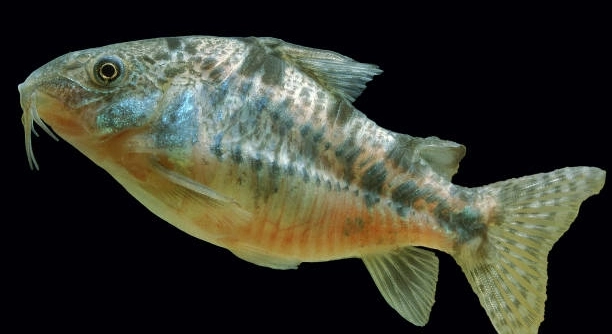
Corydoras catfish are a popular aquarium choice, admired for their peaceful nature and charming personalities. Providing them with a balanced diet is crucial to their health and overall well-being. This guide offers simple tips to ensure they thrive.
To maintain a balanced diet for your Corydoras catfish, offer them a variety of foods, such as high-quality pellets, live or frozen foods, and occasional plant matter. Ensuring they receive a mix of protein and fiber supports optimal growth and health.
Learning how to provide the right nutrients will keep your catfish active and vibrant. Keep reading to discover the best practices for feeding them properly.
Offer a Variety of Foods
Corydoras catfish thrive when they have a varied diet. A consistent mix of high-quality pellets, live or frozen food, and occasional plant matter ensures they receive all the necessary nutrients. This variation helps to prevent any deficiencies and promotes their health over time. Pellets are great for the base of their diet, providing essential vitamins and minerals. Live foods like brine shrimp or earthworms offer extra protein, keeping them active. Adding a little plant material, such as algae wafers or blanched vegetables, will balance their diet and mimic their natural food sources.
Fish need a blend of protein, fat, and fiber to stay healthy. By offering both animal and plant matter, you’re covering all the bases.
Corydoras are bottom-dwellers and love to forage, so scattering food on the aquarium floor works well. They enjoy hunting for their meals, which helps them stay active. Overfeeding should be avoided, as leftover food can lead to water pollution. Adjust the amount based on their feeding habits and tank size.
Pay Attention to Feeding Schedules
It’s important to feed Corydoras at regular times. Consistency helps them understand when to expect food. Stick to a schedule and feed them once or twice a day.
Creating a routine helps regulate their digestive system and keeps them healthy. Overfeeding can be tempting, but it’s important to offer smaller amounts that they can consume within a few minutes. This prevents uneaten food from decomposing in the tank, which can harm both water quality and your fish’s health.
Corydoras may also pick at leftover food throughout the day, but don’t rely on this to meet their nutritional needs. Consistent feeding will keep them energetic and prevent excessive waste buildup. Try to stick to the same times each day for the best results.
Use High-Quality Pellets
High-quality pellets should be a staple in your Corydoras catfish’s diet. Look for pellets specifically designed for bottom feeders, as these will sink and be easily accessible. Opt for pellets with natural ingredients, free from fillers, to ensure proper nutrition.
Good pellets provide essential nutrients like vitamins, minerals, and protein, helping to support the overall health of your Corydoras. It’s best to choose ones that are small enough for them to consume easily. Check for pellets that don’t break apart too quickly, as this prevents them from polluting the water.
Pellets are the easiest way to ensure a balanced, consistent diet for your fish. Make sure the pellets are fresh, and keep the container sealed tightly to avoid contamination. Rotate the pellets with other types of food to prevent over-reliance on one type. This also gives them a varied diet, which is key for long-term health.
Include Live or Frozen Foods
Live or frozen foods offer an extra boost of protein, which is great for your Corydoras. Foods like brine shrimp, bloodworms, and daphnia are excellent options. They mimic the kinds of meals these fish would find in the wild.
You can find frozen options at most pet stores, and these foods are usually easy to store. However, make sure you thaw them before feeding to prevent any harm to your catfish. Live foods, though a bit more effort, are highly nutritious and can make your catfish more active. Just be cautious of any potential parasites in live food.
Feeding live or frozen food once or twice a week gives your catfish variety and ensures they get the right amount of protein. It’s best to alternate these treats with pellets so they don’t rely too heavily on any one source. Keep portions small, as they can be quite rich.
Add Plant Matter to Their Diet
Adding plant matter to your Corydoras’ diet helps balance their nutrition. You can offer algae wafers, spinach, zucchini, or other blanched vegetables. These foods provide necessary fiber and mimic what they might consume in the wild.
Vegetables should be softened by blanching to make them easier for your fish to eat. It’s essential to ensure that the plant matter is fresh and free from pesticides. Make sure the veggies don’t pollute the water, so remove any uneaten portions after a few hours. A little plant matter goes a long way in their diet.
Watch Water Quality
Good water quality is crucial for your catfish to thrive. Uneaten food can spoil and harm the water, leading to stress or illness in your fish. Test your water regularly and ensure proper filtration.
Poor water quality often leads to issues such as fin rot or cloudy water. Corydoras are sensitive to poor water conditions, and their immune systems can suffer. Regular water changes, along with keeping the tank clean, will help maintain a healthy environment for your fish. Make sure to monitor the pH, ammonia, and nitrate levels to keep your catfish happy and healthy.
Be Careful With Overfeeding
Overfeeding is a common issue for Corydoras. It’s easy to want to spoil them with food, but too much can lead to health problems and water pollution. Make sure to only offer enough food that your catfish can consume in a few minutes.
When feeding, avoid the temptation to give them large amounts at once. If food is left uneaten, remove it promptly to keep the water clean. Overfeeding can also cause your fish to become sluggish and overweight, which can affect their overall well-being.
FAQ
How often should I feed my Corydoras catfish?
Corydoras catfish should be fed once or twice a day. Feed them small amounts that they can consume in a few minutes. Overfeeding can lead to excess food polluting the tank, which can harm water quality. Try to establish a consistent feeding schedule, and remove any uneaten food after a few hours to keep the tank clean.
Can I feed Corydoras live food?
Yes, Corydoras can benefit from live food like brine shrimp, bloodworms, and daphnia. These provide extra protein and variety in their diet. However, make sure to only feed them live food that’s been sourced from a trusted supplier to avoid any risk of parasites. If using frozen live food, always thaw it before offering it to your fish.
What type of pellets are best for Corydoras catfish?
Look for high-quality, sinking pellets specifically designed for bottom feeders. These pellets will allow your Corydoras to access the food easily, as they are bottom dwellers. The pellets should be rich in protein and free from unnecessary fillers, such as artificial dyes and preservatives, to ensure they receive a balanced diet.
Should I feed my Corydoras vegetables?
Yes, Corydoras can eat a variety of vegetables. Blanched spinach, zucchini, and peas are great options. These provide fiber, which is essential for their digestion. Make sure to blanch the vegetables (boil them briefly) before offering them to make them soft and easier to consume. Always remove any leftover vegetables from the tank to prevent them from polluting the water.
How do I know if I’m overfeeding my Corydoras catfish?
Overfeeding is easy to do, but it can lead to serious issues like poor water quality and obesity in your Corydoras. If you notice uneaten food left in the tank after feeding, that’s a sign you’ve given them too much. A good rule is to only feed them as much as they can consume in about 5 minutes. If your fish become sluggish or stop eating altogether, it could indicate that they are being overfed.
Can Corydoras eat flakes?
Corydoras can eat flakes, but they are not their preferred food. Since they are bottom feeders, they may struggle to get the flakes that float at the top of the tank. While flakes can be used occasionally, sinking pellets or live foods are much better suited to their feeding habits.
How can I improve the water quality in my tank for Corydoras?
Maintaining good water quality is crucial for the health of your Corydoras catfish. Regular water changes, usually 25-30% per week, will help keep the tank clean. Additionally, using a good filtration system will remove waste and excess food, keeping ammonia and nitrate levels in check. Always monitor your water’s pH, temperature, and hardness to ensure they stay within the ideal range for Corydoras.
What is the best water temperature for Corydoras?
Corydoras catfish prefer water temperatures between 72-78°F (22-25°C). Temperatures outside of this range can stress them and affect their immune system. If your water temperature is too low, they may become sluggish and more prone to disease. If it’s too high, they may struggle to get enough oxygen. Use a heater to maintain a stable temperature if needed.
Can Corydoras live with other fish?
Yes, Corydoras are peaceful fish and do well in community tanks. They can live with other non-aggressive species, such as tetras, guppies, and other bottom feeders. However, avoid keeping them with large or aggressive fish that might harm them. Corydoras do best in schools, so consider keeping at least three or more together for social interaction.
How can I tell if my Corydoras is sick?
Common signs of illness in Corydoras include a loss of appetite, unusual behavior (like excessive hiding), clamped fins, or visible signs of injury like torn fins or discoloration. If your Corydoras appears sick, check your water parameters first to rule out water quality issues. If the problem persists, consult with a veterinarian who specializes in fish care.
Can Corydoras eat algae wafers?
Yes, algae wafers are a good source of plant-based food for Corydoras. They contain essential fiber and nutrients that help with digestion. These wafers also mimic the algae that Corydoras would naturally eat in the wild. However, they should not be the only food in their diet; balance them with protein-rich foods like pellets and live food for optimal health.
What type of tank environment do Corydoras need?
Corydoras catfish prefer a well-planted tank with soft, sandy substrate. They are bottom dwellers, so sharp gravel can hurt their sensitive barbels. A tank with plenty of hiding spots, such as caves or plants, will make them feel secure. They enjoy peaceful tank mates and need stable water conditions to stay healthy.
How do I prevent my Corydoras from getting bloated?
Bloating in Corydoras is often caused by overfeeding or poor water quality. Make sure to feed them small portions that they can finish within a few minutes. Also, avoid feeding them too many high-fat foods. Keep your tank clean and maintain good water quality by doing regular water changes and removing uneaten food.
Is it okay to feed Corydoras the same food every day?
It’s okay to feed Corydoras the same food every day, but variety is important for their overall health. Rotating between pellets, live or frozen foods, and plant matter will help ensure they get a balanced diet. A lack of variety could lead to nutritional deficiencies.
Final Thoughts
Corydoras catfish are relatively easy to care for, but they do require a balanced diet to stay healthy and active. By offering a variety of foods, including high-quality pellets, live or frozen options, and some plant matter, you can ensure they get the necessary nutrients. A mix of protein, fiber, and vitamins will keep them strong, with each type of food playing a unique role in their diet. Consistency is key—providing them with regular meals and maintaining a routine will keep them happy and prevent them from becoming stressed or sluggish.
It’s also important to remember that overfeeding can be harmful to Corydoras. Giving them too much food at once can lead to water pollution and health issues like bloating or obesity. By monitoring their feeding habits and removing any uneaten food, you can avoid these problems. Keeping an eye on water quality is equally essential. Regular water changes, along with proper filtration, will help maintain a clean environment that supports the health of your catfish. If the water conditions are not ideal, even the best diet won’t keep your Corydoras at their best.
Finally, be patient and observe your Corydoras closely. Every fish is different, and it’s important to learn their habits and preferences. Adjust their diet as needed, and make sure to maintain a peaceful environment in the tank. A well-fed, healthy Corydoras will not only thrive but also bring joy to your aquarium with its playful and friendly nature. With the right care, your Corydoras will live a long, happy life, enriching your tank and making a wonderful addition to your aquatic community.

Hello,
If you enjoy the content that we create, please consider saying a "Thank You!" by leaving a tip.
Every little bit helps us continue crafting quality advice that supports the health, happiness, and well-being of pets around the world, for pets of all shapes, sizes, and species.
We really appreciate the kindness and support that you show us!