
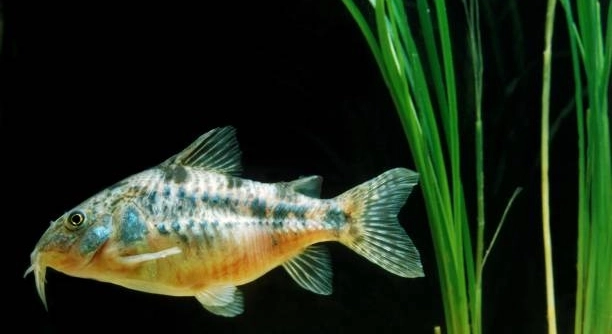
Corydoras catfish are wonderful little creatures that make great additions to any aquarium. However, ensuring they receive the proper amount of oxygen is essential for their health. Let’s explore some ways to provide them with the best environment.
To ensure your Corydoras catfish gets enough oxygen, maintain proper water aeration, avoid overcrowding, and keep the water clean. Consistent water changes and adding aquarium plants can also help oxygenate the water, supporting your fish’s well-being.
By understanding how oxygen levels affect your catfish, you can easily enhance their living conditions and promote a healthier aquarium environment.
Proper Water Aeration
One of the most important factors in ensuring your Corydoras catfish gets enough oxygen is providing proper water aeration. This can be done by using air pumps and air stones. These devices help create bubbles that increase water circulation and oxygen levels. By circulating the water, air pumps allow oxygen to be evenly distributed throughout the tank. This is crucial for your catfish, as they rely on well-oxygenated water to thrive. Without sufficient oxygen, your fish can become stressed, leading to poor health.
A good air pump and stone combination can make a noticeable difference. With the right equipment, you can ensure the oxygen levels remain stable. Air pumps come in different sizes, so make sure you select one that matches your tank’s size.
Additionally, using a sponge filter can provide both filtration and aeration. This way, you’re not only maintaining clean water but also promoting oxygen exchange. If you notice your Corydoras catfish hovering at the surface more often, it’s a sign that they might need better aeration. Don’t wait too long before addressing it.
Avoid Overcrowding
Overcrowding in your aquarium can lead to oxygen depletion. When there are too many fish in a tank, oxygen is consumed quickly, and your Corydoras catfish may not get enough. Keeping the tank at an appropriate stocking level ensures every fish has enough oxygen to stay healthy.
A good rule of thumb is to follow the recommended number of fish per gallon. Too many fish will cause water quality issues and oxygen depletion, which can harm your catfish. Overcrowded tanks also create stress for the fish, weakening their immune system.
Keep the Water Clean
Maintaining clean water is key to ensuring your Corydoras catfish get enough oxygen. Dirty water can quickly lead to a reduction in oxygen levels. Filtration helps remove waste, debris, and excess nutrients that could otherwise consume oxygen. Regular water changes also support a healthy, well-oxygenated environment.
To keep your tank clean, ensure your filtration system is functioning properly. It’s important to clean the filter regularly to prevent it from clogging and reducing efficiency. Additionally, perform partial water changes every one to two weeks. This removes toxins and maintains the balance of oxygen in the water.
Using a gravel vacuum during water changes helps remove debris from the substrate. This prevents uneaten food and waste from building up, which can lower oxygen levels. Regular cleaning will benefit your catfish and all the other aquarium inhabitants by keeping the water fresh and oxygenated.
Add Aquarium Plants
Adding live plants to your aquarium is an excellent way to naturally increase oxygen levels. Plants absorb carbon dioxide and release oxygen, providing a healthier environment for your Corydoras catfish. When selecting plants, choose species that thrive in low light and can survive with minimal care.
Aquarium plants also offer hiding places for your catfish, reducing stress and encouraging natural behavior. Plants such as Java fern, Anubias, and Amazon swords are great choices for a Corydoras-friendly environment. In addition to oxygenating the water, plants help maintain stable water parameters by absorbing excess nutrients. This balance can prevent algae blooms that might otherwise consume oxygen.
It’s important to remember that plants need proper care, too. Trim any dead or dying leaves to prevent decay and avoid any negative impact on water quality. Healthy plants improve the oxygen levels and overall well-being of your fish.
Use a Sponge Filter
A sponge filter is a great way to provide both filtration and aeration in your aquarium. It draws water through the sponge, creating gentle water movement while also oxygenating the tank. This is particularly beneficial for Corydoras catfish, as they prefer areas with low current.
Sponge filters are easy to maintain and are suitable for small to medium-sized tanks. They create a gentle flow that won’t disturb your fish, providing them with oxygen-rich water without stress. They also help in removing debris, which keeps the water clean and ensures your catfish have access to plenty of oxygen.
By adding a sponge filter to your tank, you can provide consistent oxygen levels while ensuring the water remains clean. It’s a simple and effective way to support your Corydoras catfish’s health.
Control Water Temperature
Water temperature plays a significant role in the oxygen levels of your tank. Warmer water holds less oxygen, while cooler water can support higher oxygen concentrations. To help maintain a balanced oxygen environment for your Corydoras catfish, ensure the water temperature stays within the ideal range for them, between 72°F and 78°F.
If the water gets too warm, oxygen will be consumed faster, putting stress on your fish. Consider adding a cooling fan or adjusting the aquarium heater to maintain the right temperature. Keeping a thermometer in the tank helps monitor fluctuations and ensures stability for your catfish.
Stabilizing water temperature not only benefits oxygen levels but also promotes the overall health of your fish, making sure they thrive in a suitable environment.
Provide Hiding Spaces
Hiding spots in your aquarium can reduce stress and create a more comfortable environment for your Corydoras catfish. These catfish are naturally shy, and having places to hide gives them a sense of security. By offering caves, plants, or decorations, you can make your tank feel more natural.
Hiding spaces allow your catfish to rest when they need to, especially during times when oxygen levels are lower or if there’s any disruption in the tank. These spaces can also help reduce territorial behavior from other fish. You’ll notice your Corydoras catfish becoming more active and healthy when they feel safe and secure.
FAQ
What is the ideal oxygen level for Corydoras catfish?
The ideal oxygen level for Corydoras catfish is between 6-8 mg/L. If the oxygen concentration falls below 5 mg/L, your fish may start showing signs of stress, like gasping at the water’s surface or staying inactive. It’s important to maintain good water circulation and aeration to keep oxygen levels within this range. Regular water changes and the use of aeration equipment, like air pumps or sponge filters, can help achieve this. Monitoring the oxygen levels can be done with an aquarium test kit that measures dissolved oxygen in the water.
Can Corydoras catfish live in low-oxygen tanks?
Corydoras catfish are not well-suited to low-oxygen environments. While they can tolerate slightly lower oxygen levels than some other fish, they still need a well-oxygenated tank to thrive. If oxygen levels drop too low, Corydoras catfish will show signs of distress, such as lethargy or difficulty breathing. Using an air pump, sponge filter, or live plants to improve oxygen levels will help keep your fish happy and healthy. If you notice your catfish spending too much time near the surface or gasping, it’s a sign the oxygen is too low, and you need to act quickly to improve the water conditions.
Do Corydoras catfish need air stones?
Air stones are not strictly necessary for Corydoras catfish but can be beneficial in certain situations. Air stones help improve water aeration by creating tiny bubbles that increase surface agitation, which enhances oxygen exchange. If your tank doesn’t have a strong filter or good water circulation, an air stone can help improve oxygen levels. However, it’s important not to overdo it, as too much current can stress out Corydoras catfish. Ideally, they prefer calm waters, so choose a low-flow air stone and place it in an area where the current won’t bother them.
How often should I change the water to ensure my Corydoras catfish gets enough oxygen?
Regular water changes are crucial for maintaining healthy oxygen levels in your aquarium. You should aim to change about 25-30% of the water every one to two weeks, depending on the tank size and stocking level. By removing waste and organic matter that consume oxygen, you help maintain clean, oxygen-rich water. If your tank is heavily stocked, more frequent water changes may be necessary. Be sure to use a water conditioner to neutralize chlorine and chloramine, which can harm your catfish.
What are the signs that my Corydoras catfish isn’t getting enough oxygen?
If your Corydoras catfish isn’t getting enough oxygen, it will exhibit a few noticeable signs. The most common symptom is gasping at the water’s surface or hovering near the surface more than usual. They may also become lethargic, swim erratically, or show a lack of appetite. In extreme cases, they may even stop moving altogether. If you notice these signs, check your aquarium’s aeration, water quality, and temperature. It’s also important to check that the water is clean and well-filtered. Adjusting the aeration system or doing a water change can help restore proper oxygen levels.
Can I use a filter to improve oxygen levels for my Corydoras catfish?
Yes, a filter can help improve oxygen levels, but it depends on the type of filter. A strong filter with high water turnover can increase oxygen exchange by promoting water movement and surface agitation. However, Corydoras catfish prefer low currents, so make sure the filter’s flow is not too strong. You can adjust the filter’s flow rate or position the outlet so the current doesn’t disturb your catfish. Sponge filters are a great option, as they offer both filtration and gentle aeration without disturbing the fish.
Is it safe to use a heater in a tank with Corydoras catfish?
Yes, it’s generally safe to use a heater in a tank with Corydoras catfish, but make sure the temperature is stable and within the ideal range of 72°F to 78°F. If the water gets too warm, it can reduce the oxygen levels, causing stress to the fish. Additionally, sudden temperature fluctuations can harm Corydoras catfish. Use a reliable aquarium heater with a thermostat to maintain a consistent temperature. Also, check the water regularly to ensure it doesn’t get too hot, especially during warmer months.
Do Corydoras catfish need a lot of surface area to get oxygen?
Corydoras catfish are bottom dwellers and typically do not require a large surface area for oxygen exchange. However, having a well-oxygenated surface can help improve overall tank conditions. The majority of oxygen exchange in an aquarium happens at the surface, so ensuring good water circulation and aeration is key. While Corydoras will mostly stay at the bottom of the tank, the water near the surface needs to remain well-oxygenated. Adding plants and keeping the surface clear of debris will help oxygen exchange.
Are live plants effective for increasing oxygen levels for Corydoras catfish?
Yes, live plants are very effective at increasing oxygen levels in the aquarium. Through photosynthesis, plants absorb carbon dioxide and release oxygen, which helps oxygenate the water. Plants like Anubias, Java fern, and Amazon swords are great choices for tanks with Corydoras catfish, as they also provide hiding spots and reduce stress. Healthy plants not only improve oxygen levels but also help filter the water by absorbing excess nutrients that could otherwise promote algae growth. Keep plants well-maintained by trimming dead leaves and ensuring they receive enough light for optimal growth.
Final Thoughts
Ensuring your Corydoras catfish gets enough oxygen is essential for its health and well-being. These fish, though hardy, are sensitive to poor water conditions, especially low oxygen levels. By maintaining a proper balance of aeration, water cleanliness, and temperature, you can help your catfish thrive in a comfortable environment. Simple steps like using air pumps, sponge filters, and regular water changes can make a big difference in ensuring your fish get the oxygen they need. With the right care, Corydoras catfish can live a long, healthy life in your aquarium.
In addition to aeration, creating a calm and stable environment for your Corydoras catfish is important. Avoid overcrowding your tank, as too many fish can quickly deplete the oxygen. Maintaining the right water temperature also plays a key role in oxygen retention, as warmer water holds less oxygen. Ensure your tank has enough surface agitation to allow for proper oxygen exchange but without disturbing the catfish too much. The addition of live plants is another great way to naturally enhance oxygen levels, as plants help absorb carbon dioxide and release oxygen into the water.
Finally, keep an eye on your catfish and the condition of your tank. If you notice any signs of distress, such as gasping at the surface or lethargy, it could be a sign that the oxygen levels are too low. By staying proactive and making necessary adjustments, you’ll create a healthier environment for your Corydoras catfish. A well-maintained tank not only benefits your fish but also enhances the overall aesthetic of your aquarium. With a little attention to detail, your Corydoras will be able to flourish and bring beauty to your home.

Hello,
If you enjoy the content that we create, please consider saying a "Thank You!" by leaving a tip.
Every little bit helps us continue crafting quality advice that supports the health, happiness, and well-being of pets around the world, for pets of all shapes, sizes, and species.
We really appreciate the kindness and support that you show us!