
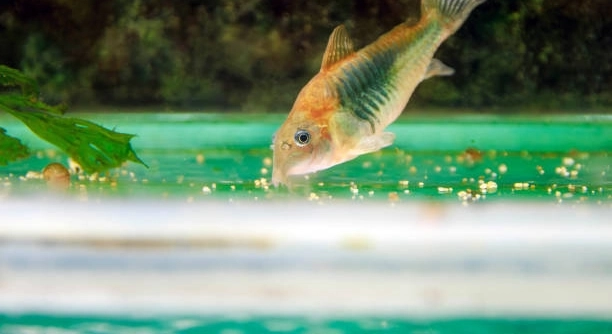
Is your Corydoras catfish bursting with energy the moment the lights go off, leaving you puzzled about its nighttime behavior?
Corydoras catfish are naturally more active in low-light or dark environments due to their nocturnal and crepuscular tendencies. Their sensory adaptations allow them to navigate and forage more effectively when lighting is minimal.
These behaviors can be influenced by multiple factors, and understanding them can help improve your fish’s well-being and overall tank environment.
Why Corydoras Become More Active in the Dark
Corydoras catfish are bottom-dwellers that come from murky rivers and shaded environments in South America. In their natural habitat, light is often limited, so they’ve adapted to low-light conditions. Their whisker-like barbels help them search for food along the substrate, even when visibility is low. When the aquarium lights turn off, it mimics the setting they’re built for, encouraging them to move around more. You might notice them digging, swimming in short bursts, or interacting with their tank mates more than they do during the day. This increased activity is not unusual—it’s instinctive. If your Corydoras seem especially lively at night, it often means they’re comfortable and behaving as they naturally would. That’s a good sign for their overall well-being. Ensuring a dim and calm evening environment allows these behaviors to come through. It helps support their routine and keeps their activity levels healthy and consistent over time.
Some species of Corydoras are more nocturnal than others, and their behavior often changes depending on tank mates and lighting schedules.
If your fish have been hiding all day and then suddenly dart around after lights out, it may be their internal clock responding to natural rhythms. Keeping a soft lighting cycle helps.
Theories Behind Nighttime Energy
Some Corydoras catfish are more active at night simply because that’s when they feel safest. Lighting changes signal a quiet period in the tank, reducing movement from other fish that may dominate daytime activity. When lights are off, they can explore freely without stress or interruption. In community tanks, this behavior helps them avoid aggressive fish. It’s also possible that they associate nighttime with feeding, especially if they’ve been trained to expect food later in the day. Another common reason is related to their sensory abilities—Corydoras have excellent hearing and sensitive barbels, making them effective foragers in low light. Some fishkeepers also find that their Corydoras are more sociable in groups when the lights are off, suggesting that social behaviors can be tied to environmental changes. Overall, nighttime activity in Corydoras is driven by a mix of instinct, environment, and comfort, all working together to support their natural behavior patterns.
Environmental Cues and Natural Instincts
Corydoras are wired to respond to light shifts. When the lights go out, it signals a safer, quieter time. This change taps into their instincts, encouraging natural behaviors like exploring, scavenging, and schooling more actively than they do during the day.
Their preference for dim or dark spaces is based on survival. In nature, less light means fewer predators. That instinct carries over into aquariums, where shadows and darkness create a space that feels secure. Even in a well-maintained tank, Corydoras may stay still during the day, hiding under plants or decorations. But once the environment mimics dusk, they become curious and more energetic. This behavior doesn’t mean something is wrong—it’s part of how they’re built. You may notice them poking around the gravel, interacting with tank mates, or even swimming in quick patterns. These are all signs they’re responding naturally to the setting.
Some fishkeepers report that their Corydoras seem almost invisible until the lights go out. This is because Corydoras rely more on touch and chemical signals than vision. Their barbels allow them to feel their way through the substrate, helping them find food or sense movement nearby. In low light, these senses guide most of their behavior. If your tank has too many bright lights or very open spaces, it may suppress this side of their activity. Adding shaded areas or lowering the light intensity can encourage more natural movement. Their night routines are influenced by both environment and how safe they feel, so soft lighting and hiding spots can make a big difference in what you see after dark.
Tank Mates and Activity Patterns
Aggressive or fast-moving fish can intimidate Corydoras during the day. When the tank quiets down, they use that chance to explore freely. Some Corydoras also adjust their schedule based on the behavior of other fish around them.
In community tanks, the presence of larger or more dominant species often affects Corydoras behavior. These gentle fish tend to stay near the bottom and avoid conflict. If other fish are active and competitive during the day, Corydoras may stay hidden to avoid stress. At night, when everything slows down, they finally move around and forage. Their quiet energy often goes unnoticed unless you’re specifically watching for it after dark. Adding peaceful tank mates and giving them space to roam can lead to more balanced activity throughout the day. But if you notice a sharp difference between their day and night behavior, it’s usually tied to how secure they feel around their companions.
Light Sensitivity and Eye Structure
Corydoras don’t rely on sharp vision like some other fish. Their eyes are sensitive to light and better suited for dim conditions. Bright lighting can overwhelm them, causing them to rest or hide during the daytime hours.
When the lights go out, their comfort level increases. They navigate using other senses like touch and chemical signals. This switch in lighting helps them feel more confident moving around and searching for food. Their behavior is more noticeable when the aquarium lighting matches their natural preferences.
Feeding Schedules and Learned Behavior
If Corydoras are often fed in the evening or at night, they can begin to associate darkness with feeding time. This learned behavior encourages them to become more alert and active after the lights go out. Over time, their internal rhythms may adapt, and their night activity becomes part of their regular routine. Even if food isn’t given, they’ll often search the substrate in anticipation. This isn’t harmful—it’s simply how they adjust to tank life. Observing them during this time can help you understand their patterns and even adjust feeding to support their comfort. Just avoid overfeeding, especially if they’re scavenging overnight.
Temperature and Oxygen Levels
Cooler water at night often holds more oxygen. This slight change in the tank’s conditions can lead to increased movement and activity from bottom-dwelling fish like Corydoras.
FAQ
Why do Corydoras catfish prefer dark environments?
Corydoras catfish are naturally adapted to low-light conditions. In the wild, they live in murky, shadowy waters where visibility is limited. This low-light environment offers a sense of security, allowing them to explore and forage without the risk of predators. Their barbels, which are like sensory whiskers, help them navigate and detect food in darkness. This preference for dim lighting is a survival instinct carried over into their aquarium life. In a tank, when the lights go off, it mimics their natural habitat, encouraging them to be more active and engage in normal behaviors like scavenging and socializing with other Corydoras.
Do Corydoras need complete darkness to thrive?
No, Corydoras don’t need complete darkness to thrive. They do prefer dim lighting, which mimics the low-light conditions of their natural habitat. However, they can tolerate light as long as it isn’t too harsh. A soft, gentle light during the day is ideal for them. It’s also essential to have a light cycle that mimics the day-night rhythm. While they may be more active after the lights go off, they still need a day-night cycle for their health and well-being. You don’t need to leave the tank in complete darkness, just avoid overly bright or direct lighting, which could cause them stress.
How can I encourage my Corydoras to be more active during the day?
To encourage your Corydoras to be more active during the day, consider adjusting the lighting. Use softer, natural light or dim the tank lights during the day. Additionally, providing hiding spots such as plants, caves, or rocks will allow them to feel secure when they choose to rest. Corydoras are shy and bottom-dwelling fish, so a tank that offers both shaded areas and open spaces for exploration is ideal. Also, maintaining a stable environment with consistent water parameters and avoiding sudden changes in the tank can help them feel more comfortable, which may encourage them to become more active during daylight hours.
Why do Corydoras seem more active at night?
Corydoras are primarily nocturnal or crepuscular, meaning they are most active during dawn or dusk. This behavior comes from their natural habitat, where they spend much of their time searching for food in low-light conditions. At night, when the aquarium lights are off, they feel safer and more confident moving around. Their senses, like their whisker-like barbels, become more useful in low-light conditions, helping them forage for food and interact with their environment. The darkness signals a time when they can move freely without threats or interruptions, which is why you see them more active at night.
Can my Corydoras be stressed due to light?
Yes, Corydoras can experience stress from bright lighting. These fish are sensitive to light and may hide or become inactive under harsh lighting. A tank that is too bright can make them feel exposed and uncomfortable. Using dim lighting or providing shaded areas in the tank allows them to feel secure while still benefiting from the light necessary for plant growth and aquarium aesthetics. To ensure your Corydoras are comfortable, try to avoid lighting that’s too intense or disruptive. Instead, use natural lighting or a low-wattage aquarium light with a timer to mimic the natural day-night cycle.
How does the temperature affect Corydoras’ nighttime behavior?
Temperature plays a key role in Corydoras’ behavior. At night, the water temperature in the aquarium may naturally drop, leading to increased oxygen levels. Corydoras, being bottom-dwellers, are sensitive to changes in water temperature and oxygenation. When the temperature cools slightly, it can trigger more activity as they move around to find food. A steady temperature throughout the day is important, but slight evening drops can encourage their natural behavior, making them more active at night. Keep the temperature within their preferred range, which is typically between 72°F and 78°F (22°C to 26°C), to maintain their comfort.
Can overfeeding cause Corydoras to be more active at night?
Overfeeding can lead to increased nighttime activity in Corydoras, but for the wrong reasons. If they have excess food available at the bottom of the tank, they may stay active longer as they scavenge. This could lead to an unnatural feeding pattern, where they spend more time looking for food than resting. It’s important to maintain a balanced feeding schedule and ensure that food is consumed within a short period. Excess food can also lead to poor water quality, which can cause stress and other health issues for Corydoras. Make sure to feed them a small amount they can consume in 2-3 minutes, ensuring a healthier environment for your fish.
Are there any tank conditions that could disrupt Corydoras’ natural behavior?
Yes, tank conditions such as poor water quality, extreme light fluctuations, and tank mates that are too aggressive can disrupt Corydoras’ natural behavior. Inadequate filtration or infrequent water changes can result in poor water quality, leading to stress and less active behavior. Additionally, brightly lit tanks or high light intensity can make them feel exposed and cause them to retreat into hiding spots. Tank mates that are too active or aggressive may also limit their freedom to explore. To keep Corydoras comfortable, maintain a stable tank environment with consistent water parameters, dim lighting, and peaceful tank mates.
Can Corydoras get used to a specific feeding schedule?
Yes, Corydoras can learn to associate feeding times with certain times of day, including nighttime. If you consistently feed them at night, they may begin to anticipate food during the evening hours, which could increase their nighttime activity. This learned behavior is common in fish that are conditioned to specific routines. However, it’s essential not to overfeed them, as this can lead to unhealthy conditions. Feeding them at regular intervals helps them stay active and healthy, but it’s important to keep the schedule consistent without disrupting their natural behavior patterns.
What should I do if my Corydoras are always hiding?
If your Corydoras are constantly hiding, it may be a sign that they feel stressed or insecure. Check the water quality, temperature, and tank environment to ensure everything is within the ideal range for these fish. Ensure that your Corydoras have access to plenty of hiding spots, such as caves or dense plants, where they can feel safe when needed. It’s also important to avoid tank mates that may intimidate them. A quiet and peaceful tank with soft lighting and plenty of shelter will encourage your Corydoras to be more active and less prone to hiding.
Final Thoughts
Corydoras catfish are fascinating creatures with unique behaviors, especially when it comes to their activity levels in response to light. Their preference for dim or low-light conditions is rooted in their natural habitat, where they thrive in murky waters. This natural tendency makes them more active at night when the lights are off, offering a sense of security. They are bottom-dwellers, relying on their barbels to explore and search for food in the dark. This behavior is normal and healthy, as it aligns with their instincts and adaptations. However, it’s important to recognize that providing them with the right environment can ensure they feel comfortable and thrive in your aquarium.
Understanding the factors that influence Corydoras’ behavior, like light, temperature, and feeding schedules, allows you to create a more suitable tank setup. While they are naturally more active in low-light conditions, they don’t need complete darkness to feel secure. Instead, a balanced light cycle and providing hiding spots will help your Corydoras feel safe and active during the day. A consistent day-night light schedule mimics their natural environment, promoting their overall well-being. Over time, you’ll notice how they adapt to their environment, and with the right conditions, you can encourage a more predictable and healthy activity pattern.
Ultimately, the key to keeping Corydoras active and healthy is providing a stable, comfortable environment. This includes maintaining good water quality, appropriate lighting, and ensuring they have adequate space to explore. While it’s normal for Corydoras to be more active when the lights are off, creating a tank that respects their natural behaviors will lead to happier, more active fish. By understanding their needs, you can avoid any stress that might affect their health and ensure your Corydoras thrive for years to come.

Hello,
If you enjoy the content that we create, please consider saying a "Thank You!" by leaving a tip.
Every little bit helps us continue crafting quality advice that supports the health, happiness, and well-being of pets around the world, for pets of all shapes, sizes, and species.
We really appreciate the kindness and support that you show us!