
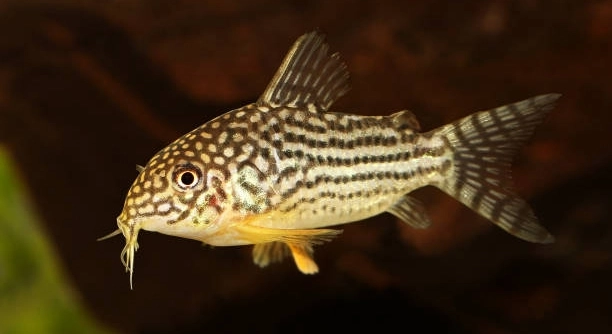
Is your Corydoras catfish acting livelier and sticking closer to its tank mates than usual, forming tighter, more active schools?
The increase in active schooling behavior among Corydoras catfish is typically linked to environmental enrichment, improved tank conditions, or changes in social dynamics. These factors can stimulate natural behaviors and promote overall well-being in the species.
Knowing the reasons behind this behavior can help you better support your catfish and improve their aquarium environment for healthier, happier fish.
1. They Feel Safer in Numbers
Corydoras are naturally social fish that rely on group behavior to feel secure. When they are housed in smaller groups, they tend to hide more often or stay still at the bottom of the tank. But when they’re kept in larger numbers—at least six or more—their sense of safety increases. This often triggers more confident and visible schooling behavior. They begin to move together as a unit, exploring the tank more freely and engaging in natural interactions. A bigger group reduces stress and encourages healthy behaviors that would otherwise be suppressed in isolation or small schools. Schooling offers safety through numbers and helps each fish feel protected from perceived threats. If your Corydoras are displaying more active schooling, it could mean that their group size has finally reached a point where they feel safe enough to act naturally, which is a good sign of improved welfare in the tank.
Adding more Corydoras to the tank helps reduce stress and improves overall activity levels, especially when they’re of the same species.
When your Corydoras feel safe, they’re more likely to show off their natural schooling behavior. Watching them glide together in synchronized patterns means their social needs are being met. It also makes the tank look more lively.
2. Water Parameters Have Improved
Good water quality plays a major role in how active your Corydoras behave.
When water conditions improve—like maintaining the right pH, ammonia at zero, and consistent temperatures—it directly impacts their comfort. Corydoras are sensitive to poor water quality and may become sluggish or hide if things aren’t right. But once you maintain clean, balanced water conditions, they tend to perk up. This is often when you’ll see them schooling more actively. It’s a natural sign that they’re feeling healthier and less stressed. Using a filter that keeps the water clean and doing regular water changes makes a big difference. Also, removing any leftover food or waste can help keep the levels stable. If you recently changed your water routine or upgraded equipment and noticed your Corydoras becoming more social, it’s likely tied to that improvement. Good water doesn’t just keep them alive—it supports the playful, social side of their behavior that makes them more enjoyable to watch.
3. They’re Responding to a Change in Light
Lighting changes can quickly affect how Corydoras behave. When the lighting becomes softer or more natural, they tend to swim together more and explore their surroundings. Strong, harsh lighting can make them hide or stay still at the bottom of the tank.
Corydoras prefer dimmer lighting that mimics their natural habitat. If you’ve recently adjusted the brightness in your aquarium—either by changing the type of bulb, reducing the hours of exposure, or adding floating plants—you may notice more schooling behavior. Dim light makes them feel more secure and encourages movement. It also reduces stress, which helps them become more social and active. Sometimes just placing the tank in a quieter part of your home, where light is less intense during the day, can make a difference. Lighting is one of those subtle changes that can have a big impact on their daily behavior without needing to change anything else.
Soft lighting lets Corydoras feel more hidden while still being active. It removes the stress of being exposed, which is especially helpful in community tanks. They’ll often group up and move together more under these conditions, staying visible while feeling protected. For a peaceful tank, combining soft lighting with gentle filtration works well.
4. You Added New Tankmates
New tankmates can shift the balance of activity in the tank. Corydoras are sensitive to changes in their surroundings, including who they share the space with. Adding new fish—especially peaceful species—can influence them to school more actively.
When peaceful new tankmates enter the aquarium, Corydoras often become more aware of their surroundings. This alertness can trigger their instinct to move as a group, especially if the new arrivals are active swimmers. However, the effect depends on the temperament of the other fish. If the newcomers are aggressive or disruptive, Corydoras may hide more or scatter. On the other hand, gentle species that stick to the middle or upper levels of the tank create a more natural and balanced environment, encouraging Corydoras to swim confidently as a group. The key is to introduce compatible species slowly and monitor their interactions to ensure it results in a calm, active community.
5. They’re Experiencing Breeding Behavior
When Corydoras are ready to breed, they often become more active and stick close to each other. This leads to tighter schooling and more movement around the tank. Males especially tend to follow females more closely during this time.
You might also notice increased chasing, circling, and hovering near flat surfaces. These behaviors are part of their spawning habits and usually mean the fish are healthy and comfortable in their environment. Watching for these patterns can help you understand when your fish are preparing to breed and may even lead to successful spawning.
6. You Changed the Tank Layout
Rearranging decorations or plants can refresh the tank and encourage schooling. A new layout gives Corydoras more spots to explore, which often makes them feel more secure and active.
7. Feeding Time Is Near
Corydoras often group together and become more active when they sense food is coming. Their movement increases as they search the substrate, especially if they’ve linked your presence or routine with feeding.
FAQ
Why are my Corydoras swimming at the surface?
Corydoras usually swim at the bottom of the tank, but they may occasionally swim at the surface due to a few reasons. Poor water quality is the most common cause, as they may be seeking more oxygen if the water is low in oxygen content. Check your filtration system and ensure proper water circulation. Another reason could be if they’re stressed or startled, as they sometimes rise to the surface when they feel insecure. If you notice this behavior frequently, it’s a good idea to test the water parameters and adjust accordingly to ensure a safe and healthy environment.
How can I tell if my Corydoras are stressed?
Corydoras show signs of stress through behaviors like hiding more than usual, rapid breathing, or swimming erratically. They may also lose interest in food and show a lack of interaction with tankmates. In extreme cases, you might notice faded colors or clamped fins. Stress can result from various factors such as poor water conditions, incompatible tankmates, sudden changes in lighting, or overcrowding. Pay attention to these signs, and if they persist, make adjustments to the tank environment, such as improving water quality or creating hiding spaces, to reduce stress.
Is it normal for Corydoras to stop schooling?
Yes, Corydoras may temporarily stop schooling for a variety of reasons. Changes in their environment, like new tankmates, rearranged decorations, or water quality issues, can cause them to break their school. They might also slow down during breeding periods or when they are not feeling well. However, once they adjust or their environment stabilizes, they often return to schooling behavior. If this behavior continues for an extended period, it’s important to assess their living conditions to rule out factors like stress or poor health.
Can Corydoras live with other fish?
Yes, Corydoras are peaceful and do well with other community fish. They typically enjoy living with species that are non-aggressive and occupy different levels of the tank. Avoid housing them with large, fast-moving, or predatory fish that may intimidate or harm them. They especially thrive with small, peaceful species like tetras, guppies, or other bottom-dwelling fish. Always monitor their interactions, especially when introducing new tankmates, to ensure everyone gets along.
How often should I feed my Corydoras?
Corydoras should be fed once or twice a day, depending on their size and the number of tankmates. They’re opportunistic bottom feeders, so it’s important to offer sinking pellets, frozen foods, or live foods that they can easily find at the substrate. Avoid overfeeding, as uneaten food can quickly decay and negatively affect water quality. Make sure that they’re eating most of the food offered and remove any excess after about 15 minutes to maintain a clean tank.
Why do Corydoras sometimes swim upside down?
It’s not uncommon for Corydoras to swim upside down, especially when they’re exploring new areas of the tank or during their feeding routine. This behavior is part of their natural foraging behavior as they search for food beneath the substrate. However, if you notice your Corydoras consistently swimming upside down and struggling to stay upright, it could be a sign of an underlying issue like a swim bladder problem or poor water quality. In such cases, it’s best to test the water parameters and consult a vet if the behavior continues.
How can I help my Corydoras breed?
If you want to encourage breeding, providing a stable, clean environment is key. Corydoras prefer slightly cooler water with a temperature around 70-75°F (21-24°C). Introduce plants or flat surfaces where the female can lay her eggs, and ensure the water is well-oxygenated. Offer high-quality foods like live or frozen worms to improve their health and breeding readiness. A group of at least six Corydoras is recommended to increase the likelihood of successful breeding. You may also simulate seasonal changes by doing a water change with cooler water, mimicking the rainy season when they breed in the wild.
Why are my Corydoras not eating?
If your Corydoras stop eating, it could be a sign of stress, illness, or poor water conditions. First, check the water parameters, as imbalanced levels of ammonia, nitrites, or nitrates can cause health issues that may affect their appetite. Additionally, look for signs of disease, such as lethargy or unusual swimming behavior. Corydoras are also bottom dwellers, so ensure there’s enough food sinking to the bottom of the tank for them to find. If they’re not eating after a water change, it’s possible the temperature or pH change may have unsettled them.
What type of substrate is best for Corydoras?
Corydoras need a soft, fine-gravel substrate that won’t damage their delicate barbels. Sharp gravel can cause injury, leading to infection or discomfort. Sand is also a great option since it allows Corydoras to forage naturally without risk to their barbels. You can add smooth stones, plants, and decorations to create hiding spots and areas for foraging. Avoid large, rough substrates that could harm their sensitive sensory organs. Keeping the substrate clean by vacuuming during water changes is crucial to prevent waste buildup and maintain water quality.
Can I keep Corydoras in a tank with high flow?
Corydoras prefer calm water with low to moderate flow. High water flow can cause them stress and make it harder for them to swim or find food. Strong currents might also make them more prone to hiding. To keep them happy, ensure your tank has a gentle filter with adjustable flow or add areas with less water movement where they can rest comfortably. If you have a high-flow setup, consider placing decorations or plants to block the current and create calm zones for your Corydoras.
Final Thoughts
Corydoras catfish are social and active creatures that thrive when they feel safe and comfortable in their environment. The increase in schooling behavior you may notice is often a good sign that your Corydoras are adjusting well to their tank and conditions. Factors such as group size, water quality, tankmates, lighting, and even tank layout can all play a role in encouraging your fish to school more. Understanding these factors allows you to make small adjustments that can lead to healthier, more active fish.
Keeping your Corydoras active and happy requires a little effort in maintaining proper water conditions and creating a peaceful environment. Whether you’re adjusting the water temperature, introducing new tankmates, or improving the lighting, small changes can have a big impact on their behavior. Corydoras are relatively low-maintenance compared to other species, but they do benefit from consistency. Once you’ve found the right balance, they will likely reward you with lively schooling, especially during feeding time or when they feel secure in their space. A thriving school of Corydoras can be a beautiful addition to any aquarium.
By paying attention to the signs and behaviors of your Corydoras, you can ensure that they remain healthy and continue to engage in their natural schooling behavior. Every fish is different, so being patient and observant is key. If your Corydoras aren’t schooling as expected, it’s not always a cause for concern. It could simply be a temporary change based on their comfort level, or it might indicate a need for adjustments in their environment. Overall, creating the right conditions for your Corydoras to feel secure, safe, and stress-free will lead to a more vibrant and active tank.

Hello,
If you enjoy the content that we create, please consider saying a "Thank You!" by leaving a tip.
Every little bit helps us continue crafting quality advice that supports the health, happiness, and well-being of pets around the world, for pets of all shapes, sizes, and species.
We really appreciate the kindness and support that you show us!