
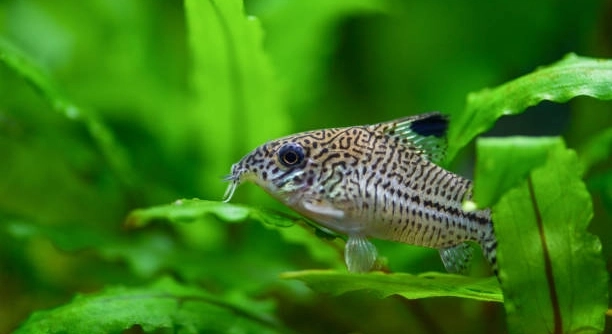
Corydoras catfish are popular for their playful behavior in aquariums. If you’ve noticed them moving substrate around, you may be wondering why they’re engaging in this curious activity. This behavior is common among these fish.
Corydoras catfish shift substrate for various reasons, such as foraging, nest building, or simply exploring their environment. They use their barbels to sift through the gravel in search of food and to maintain a healthy aquarium habitat.
Understanding these reasons will help you provide better care for your fish. By addressing their needs, you can ensure a thriving aquarium environment for your Corydoras catfish.
Foraging for Food
Corydoras catfish are bottom dwellers and use their barbels to sift through substrate in search of food. Their natural foraging behavior involves rooting around in the gravel, searching for leftover bits of food such as pellets, plants, or small invertebrates. This behavior is essential for them to find food and stay healthy. In an aquarium, if there are not enough food particles in the gravel, they may continue moving the substrate around in hopes of uncovering something edible.
This foraging activity helps them mimic their natural habitat, where they would have to constantly search for food. It’s important to monitor the amount of food in the tank to prevent excess substrate disturbance. A well-balanced feeding schedule can keep them from overforaging.
If they are not provided enough food in their environment, Corydoras can become stressed and may engage in more substrate moving. They rely on this behavior to maintain their physical and mental well-being. Therefore, it’s vital to observe and adjust their diet to prevent them from becoming too focused on sifting through the tank’s substrate.
Nest Building
Corydoras catfish are also known for shifting substrate when preparing to build nests. They often move gravel or sand around to create a secure area for laying eggs. While this is a natural instinct, it can cause noticeable changes in the tank’s appearance.
During breeding, female Corydoras catfish lay eggs in areas where the substrate is loose, and males will follow the female to fertilize the eggs. After laying the eggs, the catfish will continue to move the substrate to protect the nest from predators, including other fish or animals in the aquarium.
Substrate disturbance during this period can be expected, but it is a sign that the catfish are creating a safe space for their offspring. If breeding is not desired, providing an environment with fewer breeding opportunities can reduce the amount of nest-building activity. Understanding their nesting behavior can help you better care for your catfish during these times.
Exploration and Play
Corydoras catfish are naturally curious creatures. They may move the substrate simply to explore their environment. This behavior is part of their instinct to investigate their surroundings and interact with everything in their habitat.
While searching the substrate, they can uncover new textures or objects that pique their interest. As they push through the gravel, they’re essentially “playing” and satisfying their need for mental stimulation. In an aquarium, they often explore with other fish or on their own, creating a more dynamic environment. This exploration helps keep them engaged and active.
If the substrate is too dense or lacks variety, it can limit their ability to express this natural behavior. A mixture of fine gravel or sand can encourage their explorative tendencies and help create a more enriching environment. This playful nature is beneficial for their overall well-being.
Tank Conditions and Water Flow
The water flow and tank conditions also influence how Corydoras interact with the substrate. If there’s strong water flow in the aquarium, the catfish may feel the need to move substrate to create a stable area.
A strong current can shift gravel or sand, causing the catfish to act out their instinct to establish a more comfortable space. They may dig or move the substrate around to adjust their position and avoid being swept away by the current. Understanding how water flow affects your Corydoras can help you create an environment where they feel secure.
Monitoring water conditions, such as temperature and filtration, ensures they stay in their optimal range. Adjusting the flow can also prevent excessive substrate disturbance. Make sure their tank is set up in a way that allows them to act naturally without stressing from constant disruption.
Stress or Anxiety
Corydoras catfish can also move substrate when stressed or anxious. Changes in their environment, such as new tank mates or sudden water changes, can make them uneasy.
When faced with stress, they may dig through the substrate as a way to cope. This helps them feel more secure, allowing them to adjust to the new environment. Stress can cause Corydoras to become more active in shifting their surroundings as they try to regain a sense of control.
Providing a stable, peaceful environment helps reduce stress. Minimizing disturbances in the tank, such as loud noises or frequent changes, can keep your Corydoras calm and prevent them from moving the substrate excessively.
Tank Maintenance
Proper tank maintenance is key to preventing unnecessary substrate movement. Overfeeding or failing to clean the tank regularly can lead to debris buildup, which might prompt Corydoras to sift through the substrate.
In addition to feeding properly, regular cleaning of the tank will help maintain a stable environment for the catfish. Ensuring that substrate is cleaned periodically reduces the chances of leftover food and waste disturbing the catfish’s natural behavior.
By staying on top of tank cleanliness and water quality, the Corydoras will have a better environment to thrive in and won’t feel the need to excessively rearrange the substrate.
Breeding Behavior
Breeding is another common cause of substrate movement. Corydoras catfish shift the substrate to prepare nesting areas for their eggs. The males often help clear the space, ensuring that the eggs are placed on a clean surface.
The catfish also use substrate rearrangement as a way to protect the eggs once they’re laid. Moving the substrate helps create a safe zone around their nest. Providing them with ample hiding spots and privacy during this time encourages natural breeding behavior. The more secure they feel, the less likely they are to be disturbed by tank mates.
FAQ
Why does my Corydoras keep moving the substrate around?
Corydoras catfish often move the substrate to search for food, explore their environment, or create nests. This behavior is natural and part of their instinct. They use their barbels to sift through the gravel or sand, looking for small particles, food, or organisms. Additionally, they may shift the substrate to establish a more comfortable space, especially when stressed or anxious.
How can I stop my Corydoras from moving the substrate?
While it’s difficult to completely stop Corydoras from moving the substrate, you can manage it by adjusting their environment. Providing enough food in their diet can reduce their foraging behavior. You can also improve tank conditions, such as the water flow and current, to make sure it is not too strong. Lastly, ensuring that the tank is stable and stress-free can prevent excessive substrate movement.
Do Corydoras catfish need a specific type of substrate?
Yes, Corydoras benefit from a soft, fine substrate like sand or smooth gravel. Sharp substrates can damage their barbels and make them uncomfortable. A softer substrate allows them to move freely while foraging and reduces the risk of injury. Sand also helps mimic their natural environment, where they sift through the bottom in search of food.
What happens if my Corydoras is stressed and keeps moving the substrate?
Stress can cause Corydoras to shift substrate more frequently. If they are anxious due to changes in their environment, new tank mates, or poor water conditions, they may feel the need to rearrange their surroundings. This behavior serves as a coping mechanism to help them feel secure. Reducing stress by stabilizing their environment and minimizing disturbances will help them feel calmer.
How often should I clean the substrate in my Corydoras tank?
It’s recommended to clean the substrate at least once a week. This will prevent the buildup of uneaten food and waste that could affect the water quality. Regular cleaning helps maintain a healthy environment for your Corydoras and reduces the likelihood of them needing to move the substrate around excessively. You can gently stir the substrate to avoid compacting it and use a siphon to remove debris.
Can I add more Corydoras to my tank if they keep moving the substrate?
Yes, but make sure that your tank is large enough to accommodate the extra fish. Corydoras are social animals and thrive in groups, but overcrowding can lead to stress, causing them to move substrate more. Ensure that your tank has enough space and resources for all the fish. Monitor their behavior and water quality closely to keep everything balanced.
Is it normal for Corydoras to move the substrate when breeding?
Yes, it’s entirely normal for Corydoras to rearrange the substrate during breeding. They do this to create a suitable nesting site for their eggs. Both male and female Corydoras work together to clear the substrate, making it easier for the eggs to be laid and fertilized. During this time, you might notice more substrate movement than usual. Providing a safe, calm environment during breeding will encourage this natural behavior.
Should I adjust the water flow in my tank if my Corydoras is moving the substrate a lot?
It might be helpful to adjust the water flow if your Corydoras is moving the substrate excessively. Strong currents can cause stress, making the catfish more active in moving the substrate around. By adjusting the flow to a gentler current, you can help them feel more secure in their environment, reducing the amount of substrate disturbance.
Can substrate movement indicate illness in Corydoras?
In some cases, excessive substrate movement may be a sign of discomfort or illness. If your Corydoras is constantly shifting the substrate but also showing other signs of distress, such as loss of appetite, abnormal swimming, or lethargy, it may be worth investigating further. Check the water quality, ensure proper temperature, and observe for any changes in behavior that could indicate health issues.
How do I know if my Corydoras is just exploring or if something is wrong?
If your Corydoras is moving the substrate in a calm and methodical manner, it’s likely just exploring or foraging for food. However, if they seem agitated, constantly moving the substrate with no apparent purpose, or are showing signs of stress, it could be a sign of discomfort. Watch for other symptoms like erratic swimming, flashing against objects, or hiding more than usual. These could indicate that something is wrong in their environment or with their health.
Can I use different types of substrate in my Corydoras tank?
It’s generally best to stick to one type of substrate, but you can mix different materials as long as they are smooth and safe for your Corydoras. Sand is a popular choice, but if you want to add small pebbles or gravel, make sure they are round and not sharp. Mixing fine sand with small pebbles can create a more natural-looking environment without risking harm to the fish.
Why is my Corydoras moving the substrate in one particular spot?
Corydoras may focus their substrate-moving activity on a specific spot in the tank due to several reasons, such as foraging, establishing a nesting site, or adjusting to a flow of water. It could also be a sign of comfort, where they feel the need to “arrange” a space to their liking. If they repeatedly dig in the same spot, ensure that there is no buildup of waste or food in that area.
What can I do to prevent Corydoras from disturbing my aquarium setup?
To reduce excessive substrate movement, consider adjusting your tank setup. Make sure there is enough food available so that your Corydoras aren’t constantly searching for more. Additionally, ensuring the water flow is gentle can prevent them from moving substrate in response to stress. Finally, keep the tank environment stable and peaceful to prevent unnecessary disturbances.
Final Thoughts
Corydoras catfish are fascinating creatures that naturally sift through the substrate. This behavior is essential to their survival in the wild, where they constantly search for food. While it may seem like they are constantly rearranging the tank, this is simply a reflection of their instincts. They are bottom dwellers by nature, and moving the substrate is part of their daily routine. Understanding this natural behavior is crucial for creating a comfortable environment for them in your tank.
Although it’s normal for Corydoras to move the substrate, excessive or constant disturbance can sometimes signal an issue. Stress, anxiety, or poor water conditions can make them more restless. To ensure they are healthy and content, maintaining a stable environment is important. This includes regular tank maintenance, providing the right substrate, and reducing factors that might cause stress, such as loud noises, strong water currents, or abrupt changes in temperature. If your Corydoras is digging more than usual, it might be worthwhile to check the water quality and make any necessary adjustments.
Finally, Corydoras catfish are very sensitive to their environment. By providing the right substrate, reducing stressors, and maintaining good water quality, you can ensure that your catfish thrive. It’s essential to respect their natural behavior and give them the space they need to feel secure. As long as their needs are met, the amount of substrate movement should not be a concern. Understanding these factors will help you create a peaceful and enjoyable environment for both you and your Corydoras.

Hello,
If you enjoy the content that we create, please consider saying a "Thank You!" by leaving a tip.
Every little bit helps us continue crafting quality advice that supports the health, happiness, and well-being of pets around the world, for pets of all shapes, sizes, and species.
We really appreciate the kindness and support that you show us!