
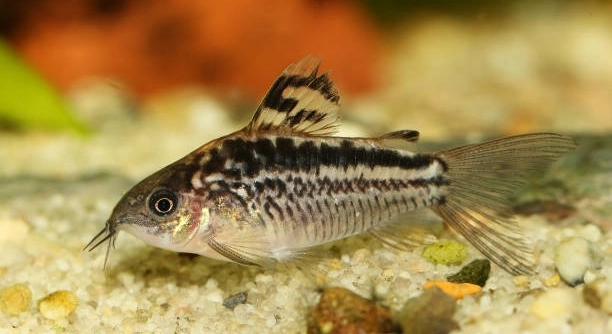
Corydoras catfish are popular aquarium fish known for their peaceful nature. However, you may notice your catfish sticking close to the tank walls. This behavior can sometimes be puzzling for aquarists who want to ensure their fish thrive.
There are several possible reasons why your Corydoras catfish is staying near the tank walls. Stress, poor water quality, and lack of hiding spots are common factors that influence this behavior. Additionally, Corydoras may be seeking cooler temperatures or reacting to tankmates.
Identifying the cause of this behavior will help you create a healthier environment for your fish. Keep reading to discover the key factors influencing your Corydoras’ actions and how you can address them.
Poor Water Quality
Water quality is one of the most common reasons for unusual fish behavior. If the water in your tank isn’t clean or balanced, it can cause stress for your Corydoras catfish. This species is sensitive to changes in water parameters such as pH, ammonia, nitrites, and nitrates. Dirty water can lead to poor health, making them seek out specific areas of the tank, often close to the walls where they feel more secure.
A water change could immediately help resolve the issue. Test your water regularly to ensure it remains within the ideal range for Corydoras catfish, which prefer soft, slightly acidic water. Regularly clean the substrate and filter to keep things in check.
When the water quality improves, your Corydoras will likely return to a more active swimming pattern throughout the tank. Keeping the water clean not only supports the fish’s well-being but also helps prevent future stress-induced behavior, keeping them healthy and more comfortable.
Tankmates and Competition
Corydoras catfish are peaceful, but they can still be affected by the behavior of other fish.
Aggressive or territorial tankmates may force them to stick to the tank’s edges, avoiding competition for food or space. Make sure your tankmates are compatible with Corydoras to promote a peaceful environment.
Ensuring a peaceful tank dynamic will encourage your Corydoras catfish to swim freely and feel comfortable exploring. If aggression is a problem, consider rearranging the tank or introducing more hiding places to reduce stress.
Temperature Stress
Corydoras catfish are sensitive to changes in temperature. If your tank is too warm or too cold, they may seek the cooler, more stable areas of the tank, such as close to the walls. This behavior can indicate that they are trying to regulate their body temperature.
Maintaining a stable temperature between 72°F and 78°F (22°C – 26°C) is essential for their health. Invest in a reliable heater and thermometer to ensure that fluctuations are minimized.
If you notice your Corydoras sticking to the tank walls due to temperature stress, adjusting the tank’s environment can quickly help them feel more comfortable. Try placing the tank in a cooler or warmer area of the room to achieve a more stable range.
Tank Size and Space
If your tank is too small, your Corydoras may feel crowded, which can cause stress and lead them to stick close to the tank walls. These fish are active and need space to move around.
Corydoras catfish should have at least 10 gallons of water for every 3-4 fish. A cramped tank can also affect water quality, making it harder to maintain healthy conditions.
Investing in a larger tank can make a significant difference in their well-being. Providing ample space will encourage them to swim freely and reduce stress-related behaviors. Proper tank size not only helps with physical space but also ensures the tank’s ecosystem can thrive.
Poor Diet
Corydoras catfish require a balanced diet to stay healthy. If they’re not getting the nutrients they need, they may behave oddly, including sticking to the tank walls. This behavior can be a sign of hunger or frustration with their food.
Make sure you provide them with a varied diet, including sinking pellets, frozen foods, and occasional treats like bloodworms. Poor diet can also weaken their immune system, leading to further stress and poor behavior. Proper nutrition will improve their overall well-being and reduce the chances of unusual behavior.
Lack of Hiding Spots
Corydoras are bottom dwellers and enjoy having places to hide. Without sufficient hiding spots, they might feel exposed, which can lead to them sticking to the walls for protection.
Adding more plants, rocks, or caves can help your Corydoras feel secure and comfortable in the tank. This will encourage them to explore more of the tank rather than staying in one area. Creating a more natural environment reduces stress and promotes healthier behavior.
Overcrowding
An overcrowded tank can cause your Corydoras to become stressed, making them cling to the walls or other corners of the tank. Fish need space to swim and explore, so overcrowding can cause anxiety and territorial disputes.
Make sure your tank is not too densely populated with fish. Having fewer, more compatible tankmates will reduce stress and help your Corydoras feel more secure. Providing enough room for everyone to thrive creates a more harmonious tank environment.
FAQ
Why is my Corydoras catfish staying near the surface?
If your Corydoras is staying near the surface, it could be due to low oxygen levels in the water or temperature stress. Corydoras typically prefer to stay near the bottom, so if they are consistently at the surface, it may indicate that they are struggling to breathe or are seeking a more comfortable temperature. Make sure the water is well-oxygenated and that the temperature stays within the ideal range. A proper filtration system can help ensure oxygen levels remain high.
Can Corydoras catfish get stressed easily?
Yes, Corydoras can get stressed easily, especially if their environment is not ideal. Poor water quality, lack of space, aggressive tankmates, or fluctuating temperatures can all contribute to stress. Stress manifests in behaviors like hiding, sticking to the tank walls, or reduced activity. To minimize stress, ensure they have a clean tank, compatible tankmates, and a stable environment.
How do I know if my Corydoras catfish is happy?
A happy Corydoras catfish is active and exploring the bottom of the tank. They tend to swim in groups, foraging through the substrate and interacting with other fish. Healthy Corydoras are also curious, and you’ll see them actively seeking food or interacting with their environment. If your Corydoras is sticking to the tank walls or hiding constantly, it could indicate stress or discomfort.
Is it normal for Corydoras to stay at the bottom of the tank?
Yes, it’s completely normal for Corydoras catfish to stay at the bottom of the tank. They are bottom dwellers and feel most comfortable exploring the substrate in search of food. They also prefer to rest at the bottom rather than swim at the top or middle of the tank. However, if they are sticking to the walls or not moving much, it may indicate something is wrong with the environment.
Do Corydoras catfish need to be kept in groups?
Yes, Corydoras are social fish and should be kept in groups of at least three to five individuals. Keeping them in a group allows them to feel secure and reduces stress. They are more likely to display natural behaviors when they have other Corydoras to interact with, including swimming together and foraging at the bottom.
Can Corydoras live with other species of fish?
Corydoras are peaceful and can live with many other species of fish, as long as they are not aggressive. Avoid keeping them with large or aggressive fish that may intimidate or harm them. Ideal tankmates include small peaceful species such as tetras, guppies, and other bottom dwellers. Always make sure there is enough space for everyone in the tank.
How often should I feed my Corydoras catfish?
Corydoras catfish should be fed once or twice a day. They are opportunistic feeders, meaning they’ll eat whatever food they can find at the bottom of the tank. Offer a variety of foods like sinking pellets, frozen foods, and occasional treats such as bloodworms. Be sure to remove any uneaten food to prevent water quality issues.
How can I improve the water quality for my Corydoras?
Improving water quality for your Corydoras involves regular water changes, keeping the tank clean, and maintaining a good filtration system. Test the water regularly for ammonia, nitrites, and nitrates, and make sure the pH is in the right range. A well-maintained tank reduces stress on your fish and helps prevent diseases.
Are Corydoras sensitive to water changes?
Yes, Corydoras can be sensitive to sudden changes in water parameters. Dramatic shifts in temperature, pH, or hardness can cause stress or health issues. When doing water changes, aim to make gradual adjustments to avoid shocking your fish. It’s also important to use a dechlorinator to remove harmful chlorine from tap water.
Can Corydoras catfish survive without a filter?
While Corydoras can technically survive without a filter, it’s not recommended. A filter helps maintain clean water by removing waste, excess food, and debris. Without a filter, the water can quickly become polluted, leading to poor water quality and stress for your fish. A good filtration system is essential for a healthy aquarium.
How do I prevent my Corydoras from getting sick?
To prevent illness, maintain a stable and clean environment for your Corydoras. Regularly test the water, perform routine water changes, and keep the tank free from uneaten food and waste. Additionally, make sure your fish are not exposed to extreme temperatures or aggressive tankmates, both of which can stress them and lead to illness.
Why are my Corydoras catfish hiding all the time?
Constant hiding can be a sign of stress or illness in Corydoras. They may be hiding because they feel threatened by other fish, have poor water quality, or are dealing with fluctuating tank temperatures. It’s important to evaluate the tank conditions and address any issues to encourage them to feel secure enough to swim freely.
Can Corydoras catfish live with shrimp?
Yes, Corydoras can live with most types of shrimp, including ghost shrimp and cherry shrimp. They generally won’t bother shrimp, as they’re not aggressive. However, be mindful of the shrimp’s size and make sure they have enough hiding spaces to avoid any accidental harm.
Why is my Corydoras swimming upside down?
If your Corydoras is swimming upside down, it could be a sign of swim bladder issues or an injury. Swim bladder disorders can affect the fish’s ability to maintain its balance. If you notice this behavior, monitor your fish closely, and consider adjusting the water quality, temperature, and diet to help.
Do Corydoras catfish need special care?
Corydoras don’t require special care but do benefit from stable, well-maintained tank conditions. Keeping their water clean, ensuring a varied diet, and avoiding drastic temperature changes will support their health. As long as they have proper care and a good environment, Corydoras are relatively low-maintenance fish.
Final Thoughts
Corydoras catfish are generally hardy fish, but their behavior can sometimes be a sign that something is off in their environment. When they start sticking to the tank walls, it’s important to observe their surroundings carefully. Factors like water quality, tankmates, and their diet all play a role in how comfortable they feel in their home. A clean tank, proper filtration, and a balanced diet are key to keeping your Corydoras healthy and active. The most common reasons for them staying near the walls are stress, low oxygen, or discomfort, so ensuring these elements are addressed can greatly improve their well-being.
It’s essential to create a space where your Corydoras can feel secure. This means providing hiding spots, maintaining proper water conditions, and avoiding overcrowding. While Corydoras are social and enjoy the company of their own kind, they should also have room to move and explore. If they feel crowded or intimidated, they may turn to the walls as a form of escape. Additionally, regularly checking the water parameters, such as temperature, pH, and oxygen levels, will help prevent health issues and give them the best environment to thrive.
In the end, if your Corydoras continue to exhibit strange behavior despite your efforts, it may be time to check for other health issues. Observing their activity, feeding habits, and interactions with other fish will give you a better idea of what might be wrong. Being proactive in maintaining your tank environment and offering a variety of food will go a long way in ensuring your Corydoras live a long and healthy life. Whether you’re a beginner or experienced aquarist, providing the right care and attention will make all the difference in your fish’s happiness and behavior.

Hello,
If you enjoy the content that we create, please consider saying a "Thank You!" by leaving a tip.
Every little bit helps us continue crafting quality advice that supports the health, happiness, and well-being of pets around the world, for pets of all shapes, sizes, and species.
We really appreciate the kindness and support that you show us!