
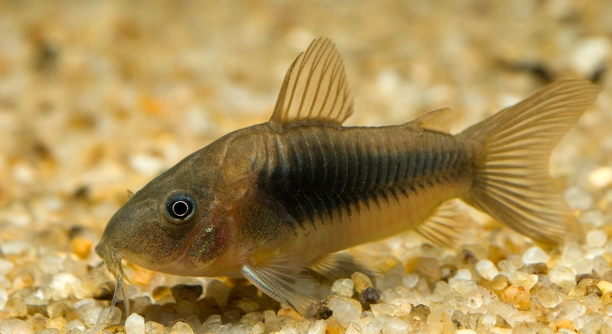
Corydoras catfish are a popular choice for aquarium enthusiasts, especially as they age and become more delicate. Ensuring their tank conditions are optimal is essential to their long-term health and well-being.
To improve the tank conditions for aging Corydoras catfish, focus on water quality, temperature stability, tankmates, substrate type, and diet. Regular maintenance is crucial to avoid stress, which can affect their overall health and longevity.
These simple adjustments can significantly enhance your fish’s environment, leading to a happier, healthier aquarium. Learn more about how to create the best conditions for your aging Corydoras catfish.
Maintain Stable Water Conditions
Water quality is one of the most important factors for aging Corydoras catfish. As they grow older, their immune systems weaken, making them more sensitive to changes in water conditions. Regularly check the water’s pH, hardness, ammonia, nitrite, and nitrate levels to ensure they stay within safe ranges. Corydoras prefer slightly acidic to neutral water, with temperatures ranging from 72 to 78°F. Keeping the tank clean through water changes is vital, but avoid making sudden changes to the water parameters, as these can stress the fish. A stable environment allows them to thrive.
Monitoring water quality involves frequent testing with reliable aquarium test kits. Performing partial water changes once or twice a week can help keep harmful substances in check. Additionally, it’s a good idea to use a high-quality filtration system that provides both mechanical and biological filtration.
Remember that aging Corydoras are more vulnerable to stress, so ensure the filtration system doesn’t create strong currents. Adjusting the flow rate can help keep the tank calm, which is crucial for their comfort and health.
Choose the Right Tankmates
Choosing the right tankmates for Corydoras catfish is essential, especially as they age. Avoid aggressive fish that may stress them. Peaceful and slow-moving species work best.
Avoid keeping Corydoras with overly active fish or larger species that may see them as food. Smaller, non-aggressive fish like tetras or rasboras make ideal companions. These fish are gentle and won’t disturb the Corydoras. In a calm environment, Corydoras feel more secure and will be able to feed comfortably.
Moreover, keeping the tank overcrowded can lead to unnecessary stress. Make sure there is enough space for everyone to swim and hide when needed. It’s important to observe how the tankmates interact with each other and remove any fish that cause disturbances.
Provide Proper Substrate
Choosing the right substrate is important for the health of aging Corydoras catfish. Fine sand is the best option as it mimics their natural habitat, allowing them to forage comfortably. Avoid sharp gravel that could hurt their sensitive barbels.
Corydoras are bottom-dwellers and love sifting through the substrate in search of food. A smooth, fine-gravel or sand base prevents injury to their barbels, which are crucial for navigating and locating food. It also helps maintain water quality by preventing debris from getting trapped in rough materials. A clean substrate ensures a healthier tank environment for your aging fish.
Another reason to use fine sand is that it doesn’t compact easily, allowing beneficial bacteria to thrive. This is essential for maintaining a balanced ecosystem in the tank, which is especially important as Corydoras age and become more susceptible to disease. Keep the substrate clean by vacuuming it during water changes to remove excess waste.
Adjust Temperature and Lighting
Aging Corydoras catfish benefit from a consistent water temperature and appropriate lighting conditions. The temperature should be kept steady between 72-78°F, as fluctuations can lead to stress and weaken their immune systems.
Stable temperatures are important for maintaining the health of Corydoras, especially as they age. A heater with a thermostat is a great tool to maintain the right temperature range. Sudden drops or increases in temperature can cause them unnecessary stress, making them more vulnerable to diseases.
Lighting should also be moderate. Bright, intense lighting can make them feel exposed and stressed, so opt for soft, diffused light. Avoid harsh lights directly over the tank, as they can create an uncomfortable environment for your Corydoras. A gentle light cycle that mimics day and night will help create a balanced atmosphere for them.
Provide a Balanced Diet
Aging Corydoras catfish need a well-rounded diet to maintain their health. Offer them high-quality sinking pellets, frozen or live foods like bloodworms, and occasional vegetable matter like blanched spinach. This ensures they get all the necessary nutrients.
Feeding them a variety of foods helps to meet their dietary needs. While sinking pellets are the foundation of their diet, live or frozen food like brine shrimp and bloodworms provide extra protein. Blanched vegetables such as zucchini or spinach can offer fiber, promoting healthy digestion. Make sure to feed small amounts several times a day to avoid overfeeding.
Aging Corydoras may have a slower metabolism, so it’s important to adjust their food portions accordingly. Overfeeding can lead to poor water quality, which can cause stress. Keep an eye on their feeding habits and remove any uneaten food to maintain a clean tank.
Clean the Tank Regularly
Regular tank maintenance is essential for aging Corydoras. Clean the filter monthly and perform partial water changes to keep the tank healthy.
Accumulated waste and debris can quickly degrade water quality, making the environment stressful for your Corydoras. Cleaning the tank regularly, along with removing uneaten food, helps reduce harmful toxins and provides a healthier space for the fish to live in.
A good filtration system is key to keeping the water clean. Ensure the filter is working efficiently by cleaning it regularly but avoiding over-cleaning, which can disrupt the balance of beneficial bacteria.
FAQ
How often should I change the water for aging Corydoras catfish?
For aging Corydoras, it’s essential to maintain a consistent water quality. A partial water change of about 25-30% once a week is recommended. This helps keep ammonia and nitrates at manageable levels. However, depending on tank size and filtration, you may need to adjust this schedule. Over time, older fish are more sensitive to poor water conditions, so regular water changes are important. Always make sure to match the water temperature when changing to avoid shocking the fish.
Can Corydoras live with other types of fish?
Yes, Corydoras are peaceful and typically do well with other non-aggressive species. Avoid keeping them with larger or more aggressive fish, which may harass or bully them. Ideal tankmates include small, peaceful fish like tetras, rasboras, and small livebearers. These tankmates won’t compete aggressively for food, which is important for Corydoras, as they tend to forage at the bottom of the tank. A peaceful environment is crucial, especially for aging Corydoras, who can become more stressed by unruly tankmates.
What is the best substrate for Corydoras catfish?
Fine sand is the best substrate for Corydoras catfish. It mimics their natural habitat and allows them to comfortably sift through the sand to look for food. Avoid gravel or rough substrates, as they can damage their delicate barbels. Sand also helps maintain water quality by reducing debris buildup. For optimal conditions, make sure the substrate is deep enough for the Corydoras to dig in but not too compacted. Regular maintenance, like vacuuming the sand, is important to keep the tank clean and prevent waste from accumulating.
Should I provide extra hiding spots for my Corydoras?
Yes, Corydoras appreciate having hiding spots to feel safe. Providing caves, plants, or decorations can help them reduce stress, especially as they age. These hiding spots give them places to rest and escape from the light when they need peace. Plants like java moss, along with caves or driftwood, provide natural-looking hiding spaces and encourage a more enriching environment for your fish. It’s important to make sure the tank has enough hiding places, as Corydoras tend to be shy, especially in tanks with aggressive fish.
What temperature is best for Corydoras catfish?
Corydoras catfish prefer a stable water temperature between 72°F and 78°F. As they age, temperature fluctuations can be more harmful, leading to stress or weakening their immune system. Maintaining a constant, moderate temperature helps keep them healthy and reduces the risk of diseases. You can use an aquarium heater with a thermometer to regulate the tank’s temperature. Make sure the temperature doesn’t change suddenly, as Corydoras can become easily stressed by abrupt shifts in their environment. A stable, warm environment is crucial for aging fish.
Can I feed my Corydoras live foods?
Yes, Corydoras enjoy live foods, which can be an excellent source of protein and nutrition. Live foods such as brine shrimp, daphnia, and bloodworms are great for boosting their diet, especially for aging fish who may need extra nutrition. These foods mimic what they would eat in the wild and can help keep them active and healthy. However, it’s important not to overfeed live foods, as they can cause water quality issues if not consumed quickly. Always monitor feeding times and remove any uneaten food promptly.
What can I do to prevent my Corydoras from getting sick?
Preventing illness in Corydoras involves maintaining good water quality, a balanced diet, and a stress-free environment. Regular water changes, monitoring water parameters, and keeping the tank clean are essential for reducing the risk of disease. Additionally, avoid overcrowding and ensure that tankmates are peaceful. Proper nutrition is also key—provide a varied diet to meet all their nutritional needs. Keep an eye on their behavior; if they start to show signs of distress like lethargy or unusual swimming, it could be an indication that something is wrong with their environment or diet.
How do I know if my Corydoras catfish is stressed?
Corydoras can show signs of stress in various ways. If they’re swimming erratically, hiding excessively, or staying near the surface, this could indicate stress. They may also stop eating or show a change in their normal behavior. Stress can be caused by water quality issues, aggressive tankmates, or sudden changes in their environment. Make sure the tank is set up with optimal conditions—such as proper water parameters, a peaceful environment, and good tank maintenance—to help reduce stress and keep your Corydoras healthy.
Can Corydoras catfish live in a cold tank?
Corydoras are tropical fish and prefer warmer water, typically between 72°F and 78°F. Keeping them in a cold tank can stress them out, making them more susceptible to illness and reducing their lifespan. In cold water, their metabolism slows, and they may not be able to digest food properly. Always maintain a stable temperature within the recommended range using a heater to ensure they stay healthy and active. Cold water can also affect their ability to breed and can lead to a weakened immune system.
What is the lifespan of a Corydoras catfish?
Corydoras catfish can live anywhere from 5 to 10 years, depending on their care. Aging Corydoras may have a shorter lifespan due to the natural decline in health that comes with age. Providing proper care, including maintaining water quality, offering a balanced diet, and avoiding stress, can help extend their life. By following these best practices, you can ensure your Corydoras live a long, healthy life. Regular monitoring and appropriate care as they age will allow them to thrive for as long as possible.
Caring for aging Corydoras catfish requires extra attention to detail. As these fish grow older, they become more sensitive to changes in their environment, which can affect their health. To keep them comfortable and thriving, it’s essential to focus on water quality, tankmates, and diet. Regular water changes, stable temperatures, and the right substrate will create an environment where your Corydoras can continue to live happily. By providing a peaceful, clean tank, you can help reduce stress, which is vital for aging fish.
Additionally, understanding your Corydoras’ behavior is key to identifying any problems early. If your fish start acting differently, like hiding more than usual or swimming in an odd way, it could be a sign that something isn’t right. Keep an eye on their activity levels, eating habits, and overall health. A consistent routine for feeding and tank maintenance will make it easier to spot issues and address them before they become serious. Providing proper nutrition, including a mix of sinking pellets, live or frozen foods, and vegetables, will help your Corydoras stay strong as they age.
Finally, creating a safe and stress-free environment is the most important aspect of caring for aging Corydoras. Tankmates should be chosen carefully, as aggressive or overly active fish can cause unnecessary stress. The substrate should be soft, like fine sand, to protect their sensitive barbels, and the tank should offer plenty of hiding spots for comfort. By keeping the tank clean, adjusting the lighting, and ensuring proper water conditions, you can improve the quality of life for your aging Corydoras catfish. Following these simple steps will help ensure that your Corydoras stay healthy, happy, and comfortable for as long as possible.

Hello,
If you enjoy the content that we create, please consider saying a "Thank You!" by leaving a tip.
Every little bit helps us continue crafting quality advice that supports the health, happiness, and well-being of pets around the world, for pets of all shapes, sizes, and species.
We really appreciate the kindness and support that you show us!