
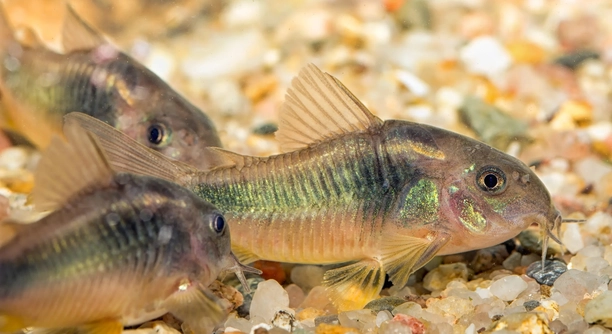
Water changes can have a noticeable effect on your Corydoras catfish’s activity levels. Understanding the reasons behind this change can help improve the overall health and behavior of your aquatic pets.
The increased activity of Corydoras catfish after a water change is often attributed to improved water quality. Fresh, clean water removes toxins, increases oxygen levels, and provides a more stimulating environment, which encourages the fish to move around more.
Learning how water changes affect your fish’s behavior will allow you to create a healthier environment.
Understanding the Impact of Water Quality on Fish Behavior
Water quality plays a crucial role in the behavior of Corydoras catfish. When water is dirty or contains harmful substances like ammonia or nitrites, fish tend to become sluggish or stressed. A water change removes these toxins, leading to a more comfortable environment. With cleaner water, fish feel safer, and their activity levels increase as they no longer have to conserve energy due to poor water conditions.
In addition to improving the overall health of your fish, water changes also increase oxygen levels. When oxygen is abundant, your fish can breathe easier, which naturally boosts their energy and activity levels. Regular water changes are essential for maintaining these optimal conditions.
Proper water changes help reset the balance of beneficial bacteria that break down waste in your aquarium. Without these bacteria thriving in clean conditions, your tank may experience fluctuating water parameters. This can result in stress for your fish, causing them to become inactive or lethargic.
The Role of Temperature in Fish Activity
Temperature can significantly influence how active your Corydoras catfish are. When water temperature is within the ideal range, your fish will be more lively and healthy.
Warmer water speeds up metabolic processes, making your fish more energetic. However, if the water is too hot or too cold, fish may become sluggish.
Fresh Water vs. Old Water
Fresh water provides a healthier environment, which directly impacts the activity levels of Corydoras catfish. The change helps reduce stress and makes fish feel more comfortable. Clean water is free from toxins, which allows them to thrive and be more active.
Old water, on the other hand, can contain excess nutrients and waste, leading to algae growth and higher levels of harmful chemicals. These conditions create stress for fish, causing them to swim less or hide more often. The presence of waste products like ammonia can lower oxygen levels, further diminishing their energy.
When you perform a water change, you’re essentially resetting the tank to a better state. This fresh start encourages more movement from the fish. Without the weight of pollutants in the water, your Corydoras can explore, swim, and display more natural behavior, such as scavenging and foraging.
The Importance of Regular Water Changes
Consistency in water changes is key to maintaining an active and healthy aquarium. By performing regular water changes, you can prevent the buildup of waste products and ensure your tank’s water stays fresh.
This routine maintenance helps stabilize water parameters, ensuring that your Corydoras catfish have optimal conditions to thrive. Stable environments reduce stress, which is often the reason for lethargy in fish. Without frequent water changes, water quality will deteriorate, leading to inconsistent oxygen levels, higher toxins, and a decline in fish activity. A clean tank provides more room for your fish to swim freely, resulting in happier and more active fish.
Oxygen Levels and Fish Activity
Water changes increase oxygen levels, which directly affect the activity of Corydoras catfish. Fresh water contains more dissolved oxygen, allowing fish to move freely and maintain higher energy. Without sufficient oxygen, fish become lethargic.
Lower oxygen levels lead to reduced activity as fish use less energy to move around. Clean water with high oxygen promotes more dynamic behavior, such as foraging and exploring. This increased activity is a sign of a healthier, well-maintained tank environment.
Stress Relief Through Water Changes
Corydoras catfish are sensitive to changes in water quality. Poor conditions cause stress, resulting in less movement and hiding. Regular water changes remove toxins and waste, reducing this stress.
When the tank is cleaner, the fish can be more active. They feel more secure in their environment, which encourages natural behavior.
FAQ
Why do my Corydoras become more active after a water change?
When you change the water in your tank, the water quality improves significantly. Fresh water has fewer toxins and a higher oxygen level. As a result, the Corydoras catfish experience less stress, which allows them to move more freely and energetically. Clean water encourages them to explore their environment and engage in natural behaviors like scavenging.
How often should I change the water in my aquarium to keep my Corydoras active?
It’s best to perform a 25-30% water change every week to maintain stable water parameters. Regular changes help prevent toxins like ammonia and nitrites from building up, which can cause stress. A consistent routine will ensure that your fish are active and healthy, as they’ll always have clean water to thrive in.
Can poor water quality cause my Corydoras to become inactive?
Yes, poor water quality can lead to inactivity. High levels of toxins, low oxygen, and fluctuating water temperatures can stress Corydoras, making them less likely to swim around or engage in normal activities. Keeping the water clean and stable through regular changes is crucial to ensuring they remain active.
Does the size of my tank affect the activity of my Corydoras catfish?
Tank size can impact the movement of your Corydoras. A smaller tank can quickly accumulate waste and toxins, which can lead to poor water quality and stress. In contrast, larger tanks provide more space for fish to swim and spread out, making it easier to maintain stable water conditions. However, regardless of tank size, regular water changes are still necessary.
How can I tell if my Corydoras are stressed due to water quality?
Signs of stress in Corydoras include reduced activity, hiding more often, faded colors, and rapid breathing. If you notice any of these behaviors, it’s a sign that your water quality may not be optimal. Conducting a water test and performing a water change can help relieve stress and restore activity.
Are there other factors besides water changes that influence Corydoras activity?
Yes, several other factors can affect Corydoras behavior. Temperature is one of the most important. Fish are most active when the water temperature is between 72°F and 78°F (22°C-25°C). Tank mates, lighting, and the availability of food can also play a role in their activity levels. Make sure the environment is suitable in all these areas for the best results.
Can I use water conditioners to improve the water for my Corydoras?
Water conditioners can help remove chlorine, chloramine, and other harmful substances from tap water, making it safer for your fish. However, they don’t address issues like ammonia or nitrite levels. Using a conditioner in combination with regular water changes will ensure that your Corydoras have the cleanest possible environment.
What should I do if my Corydoras are still inactive after a water change?
If your Corydoras are still inactive after a water change, it could be due to other issues such as poor water temperature, the presence of toxins, or illness. Check your water parameters to ensure the pH, ammonia, nitrite, and nitrate levels are within the acceptable range. If the water quality is fine, consider checking for signs of disease or stress from tank mates.
Can I overdo water changes and stress my Corydoras?
While regular water changes are essential, overdoing them can also cause stress. Changing too much water at once can disrupt the tank’s ecosystem, leading to sudden shifts in temperature or water parameters. A sudden drop in water temperature or rapid changes in water chemistry can harm your fish. Stick to small, regular water changes for the best results.
Why do Corydoras prefer the bottom of the tank?
Corydoras catfish are bottom dwellers by nature. They are equipped with barbels on their faces that help them search for food on the substrate. They enjoy sifting through sand or gravel to find small particles of food. This behavior is completely natural, and providing a soft substrate like fine sand will enhance their comfort and encourage their activity.
Does feeding habits impact my Corydoras’ activity?
Yes, feeding habits can influence your fish’s activity levels. If your Corydoras are underfed, they may spend more time foraging or searching for food, which can lead to more activity. Overfeeding, on the other hand, can lead to sluggishness, as the fish may become less motivated to swim around. Feeding them small, frequent meals ensures they stay energized without overloading the tank with excess food that could affect water quality.
How do I know if my Corydoras are getting enough oxygen?
If your Corydoras are actively swimming around and aren’t gasping for air at the surface, they are likely getting enough oxygen. However, if they are frequently near the surface, opening their mouths wide, or breathing rapidly, oxygen levels may be too low. Adding an air stone or adjusting the filter to improve water circulation can help increase oxygen levels in the tank.
What can I do to encourage my Corydoras to be more active?
To encourage more activity from your Corydoras, ensure the water is clean, well-oxygenated, and at the correct temperature. Providing hiding spots and decorations can give them a sense of security. Additionally, ensure they are being fed an appropriate and varied diet to keep them healthy and energetic.
Do Corydoras need company to be active?
Corydoras are social fish and thrive when kept in groups of at least six. A solitary fish can become stressed and inactive due to loneliness. Keeping multiple Corydoras together encourages natural social behaviors, such as swimming and interacting with each other, which can increase their overall activity level.
Is it normal for Corydoras to be less active at night?
Yes, it is normal for Corydoras to be less active at night. Like many fish species, Corydoras are crepuscular, meaning they are more active during dawn and dusk. They tend to rest or hide during the night and resume their activities once the lights are dimmed or in the early morning hours.
How do I maintain consistent water quality for my Corydoras?
To maintain consistent water quality, test your water regularly for pH, ammonia, nitrites, and nitrates. Use a high-quality filter and perform regular water changes. Keep the tank clean by removing debris and excess food. A stable environment with minimal fluctuations in water parameters will help your Corydoras stay active and healthy.
Final Thoughts
Corydoras catfish are sensitive creatures that respond quickly to changes in their environment. One of the most noticeable changes in their behavior is an increase in activity after a water change. Fresh, clean water offers better oxygen levels and removes harmful toxins, which help the fish feel more comfortable and less stressed. This improved environment encourages natural behaviors such as swimming and foraging. Keeping your tank water clean and stable is essential for maintaining a healthy, active fish population.
Maintaining water quality is not just about occasional water changes; it’s about keeping a consistent routine. Testing your water regularly and ensuring that the temperature, pH, ammonia, and nitrate levels are within acceptable ranges will help your Corydoras stay active and healthy. By sticking to a proper water change schedule and observing the behavior of your fish, you can keep stress at bay and support their overall well-being. Regular maintenance helps prevent any sudden changes in water quality that could negatively impact their health.
Corydoras catfish are bottom-dwelling fish that thrive in clean, well-maintained environments. They are naturally active creatures, and with the right care, you’ll see them swimming around and interacting more often. Whether it’s through proper water changes, attention to oxygen levels, or managing tank stress, these factors will directly influence their activity. A stable tank environment encourages your Corydoras to express their natural behaviors, making for a healthier and more enjoyable aquarium.

Hello,
If you enjoy the content that we create, please consider saying a "Thank You!" by leaving a tip.
Every little bit helps us continue crafting quality advice that supports the health, happiness, and well-being of pets around the world, for pets of all shapes, sizes, and species.
We really appreciate the kindness and support that you show us!