
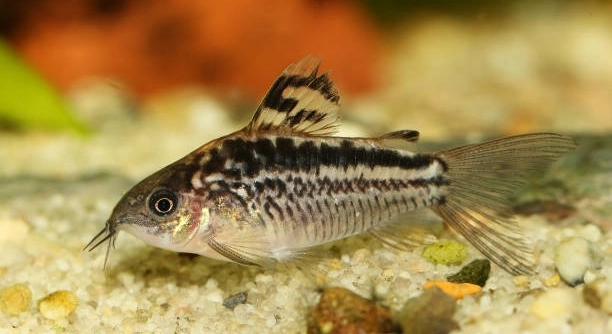
Corydoras catfish are peaceful and social creatures that enjoy swimming around the tank. However, you may notice that your catfish avoid a certain area. There could be various reasons for this, ranging from stress to environmental factors.
Corydoras catfish may avoid specific areas of the tank due to water quality issues, strong currents, lack of hiding spots, or the presence of aggressive tankmates. Stress caused by environmental factors can also make them avoid certain zones.
Understanding the root cause of this behavior will help you address the issue and improve your catfish’s well-being.
Water Quality Issues
Poor water quality is a common issue that can drive your Corydoras catfish to avoid certain parts of the tank. When ammonia, nitrite, or nitrate levels rise, your fish will naturally seek out cleaner areas of the tank. These harmful substances can cause stress, making your catfish hesitant to explore.
Even subtle changes in water chemistry, such as pH shifts or an increase in dissolved solids, can trigger discomfort in your Corydoras. In addition, dirty tank filters or uneaten food can add to the buildup of toxins in the water. This can force your fish to stay away from affected zones.
Maintaining a clean tank with regular water changes is essential for your catfish’s health. To ensure the water remains optimal, check parameters frequently and replace water and filter media as needed. Keeping the environment stable will help reduce stress and allow your Corydoras to enjoy every part of the tank without hesitation.
Strong Currents
Excessive water movement can cause Corydoras catfish to avoid specific areas in the tank. These fish are not strong swimmers, and they prefer calm waters. Strong currents can push them into hiding or areas with lower flow.
When setting up your tank, ensure you adjust the filter or water pumps to create gentle currents. Corydoras thrive in peaceful environments, where they can comfortably swim and explore. If your filter creates a high-velocity flow, use baffles or adjust the direction to prevent the water from becoming too turbulent.
A calm, well-filtered tank allows Corydoras to thrive and reduces stress. By ensuring the water flow is appropriate, you’ll help your catfish feel safe and explore every part of the tank.
Lack of Hiding Spots
Corydoras catfish feel safest in tanks that provide plenty of hiding spots. Without secure areas to retreat to, they may become stressed and avoid certain sections of the tank. Creating more hiding spots can encourage them to explore.
Adding decorations like plants, rocks, or driftwood creates the ideal environment for your catfish to feel secure. Corydoras prefer spaces where they can retreat when they feel threatened. These areas allow them to rest and feel safe.
In addition, carefully positioning decorations will help disperse any strong currents, providing calm zones for your catfish. The more hiding spots available, the more likely your Corydoras will explore different parts of the tank. A well-decorated tank ensures they remain active and healthy.
Aggressive Tankmates
Aggressive tankmates can force Corydoras catfish to avoid certain parts of the tank. If they are being harassed or chased by other fish, they may stay hidden or find safer, less disturbed areas. This behavior can lead to stress and poor health.
Some fish species are more likely to bully Corydoras, especially if they are larger or more territorial. The stress from such interactions can make your catfish retreat to specific areas, avoiding open spaces or parts of the tank where the aggressive fish are present.
To reduce this behavior, choose tankmates that are peaceful and do not compete with the Corydoras for space or food. Consider keeping your Corydoras with other calm, bottom-dwelling fish to create a balanced and harmonious environment. This will encourage them to explore more freely.
Stress from Environmental Changes
Frequent changes in the tank environment can cause Corydoras catfish to avoid certain areas. They prefer stability, and sudden shifts in temperature, lighting, or water conditions can create anxiety, making them hesitant to explore.
When environmental conditions are constantly changing, it adds stress to your catfish. It may cause them to stay in one corner or hide more frequently. Keeping conditions consistent allows your fish to feel secure and confident in their environment.
Once you stabilize the tank, your Corydoras will likely become more active and comfortable, moving freely throughout the tank without fear.
Overcrowding
Overcrowding the tank can also make Corydoras catfish avoid certain areas. Too many fish in a small space leads to competition for food and shelter, increasing stress. This often results in your catfish seeking out less crowded zones.
The ideal tank size for Corydoras catfish depends on the number of fish. A tank that’s too small can lead to territorial disputes and stress. When overcrowded, Corydoras may limit their movements and stay hidden to avoid interactions with other fish.
To avoid overcrowding, make sure the tank has enough space for each fish to feel secure. A balanced tank will reduce stress, allowing your catfish to roam freely.
Tank Maintenance Issues
Poor tank maintenance can create an environment that is uncomfortable for Corydoras catfish. Dirty tanks, clogged filters, or old water can affect water quality, leading to stress. The fish may avoid certain areas as a result.
Regular tank maintenance is crucial to maintaining a healthy environment. Keep the filter clean, remove debris, and ensure water parameters are stable. When the tank is well-maintained, your Corydoras will feel more at ease and explore the entire tank without hesitation.
FAQ
Why is my Corydoras catfish staying in one spot?
Your Corydoras catfish may stay in one spot due to stress, poor water quality, or environmental changes. These fish are sensitive to their surroundings, and any issues with water parameters, like high ammonia or nitrite levels, can cause them to retreat to a safe area. Additionally, if your catfish feels threatened by aggressive tankmates or does not have enough hiding spots, it may remain in one spot for safety.
How can I improve the water quality for my Corydoras catfish?
Improving water quality for your Corydoras catfish involves regular water changes, keeping the filter clean, and monitoring water parameters like pH, ammonia, nitrites, and nitrates. A good filtration system is essential to maintaining a healthy environment. Test your water weekly and perform a 25-30% water change every 1-2 weeks to keep the water clean and clear.
Can strong water currents affect Corydoras catfish behavior?
Yes, Corydoras catfish prefer calm waters and may avoid areas with strong currents. If the water flow is too strong, they might find it difficult to swim and navigate the tank. You can reduce the water flow by adjusting your filter or adding baffles to break up the current. This will create calm zones where your catfish can feel secure and move freely.
What can I do if my Corydoras catfish is being harassed by other fish?
If your Corydoras is being harassed by aggressive tankmates, you may need to separate them or adjust the tank setup. Corydoras catfish thrive in peaceful environments, and aggressive fish can cause stress, leading them to avoid certain areas. Consider adding more hiding spots or keeping your catfish with peaceful tankmates to reduce stress and prevent harassment.
How many Corydoras catfish can I keep in a tank?
Corydoras catfish are social fish and should be kept in groups. The ideal number depends on the size of your tank, but a group of at least 5-6 catfish is recommended. For smaller tanks (around 20-30 gallons), 5 is ideal, while larger tanks can accommodate more. Keeping them in groups will reduce stress and promote natural behavior.
How do I create hiding spots for my Corydoras catfish?
To create hiding spots, add plants, rocks, or driftwood to the tank. Corydoras catfish prefer areas where they can hide and feel secure. Place the decorations in a way that allows for plenty of swimming space while also providing refuge. Be sure to leave some open spaces for swimming, but also include plenty of areas to retreat to when needed.
Why is my Corydoras catfish swimming at the surface?
Corydoras catfish usually stay near the bottom of the tank, but if they’re swimming at the surface, it could indicate water quality issues. Poor oxygen levels, high ammonia, or low pH can cause them to seek oxygen at the water’s surface. Check your water parameters and consider adding an air pump to increase oxygen levels and improve circulation.
Can Corydoras catfish live with other species?
Corydoras catfish are peaceful and can live with many other species of fish, provided those fish are not aggressive. They do well with other peaceful bottom dwellers or mid-water swimmers that do not compete for the same resources. Avoid keeping them with large, territorial fish or species that might view them as food.
Do Corydoras catfish need a special diet?
Corydoras catfish are omnivores and enjoy a varied diet. They thrive on sinking pellets, algae wafers, and occasional live or frozen foods like bloodworms or brine shrimp. It’s important to provide them with food that sinks to the bottom, as they are bottom-dwelling fish. Feed them small portions several times a day, avoiding overfeeding, which can lead to water quality problems.
Can Corydoras catfish tolerate high temperatures?
Corydoras catfish are sensitive to temperature changes. They thrive in water temperatures ranging from 72-78°F (22-26°C). While they can tolerate slightly higher temperatures, prolonged exposure to high heat can stress them and reduce their lifespan. Ensure the temperature is stable and avoid fluctuations, especially during the warmer months.
How do I prevent overcrowding in my Corydoras tank?
To prevent overcrowding, make sure your tank is appropriately sized for the number of fish you have. Corydoras need at least 10 gallons of water for every 5-6 fish. Regularly monitor your fish’s health and remove any that show signs of aggression or poor health. Overcrowding can lead to stress, poor water quality, and territorial disputes, so it’s essential to maintain the right balance.
Why is my Corydoras catfish digging into the substrate?
Corydoras catfish often dig into the substrate as part of their natural behavior. They use their barbels to search for food and debris buried in the sand or gravel. This behavior is normal, and they will often dig in specific areas of the tank. If the substrate is too rough, it can harm their sensitive barbels, so it’s best to use fine gravel or sand.
Is it normal for Corydoras catfish to stay hidden during the day?
Corydoras catfish are more active at night and may hide during the day. If they are hiding more than usual, it could be a sign of stress, poor water quality, or unsuitable tank conditions. However, if they have plenty of hiding spots and a peaceful environment, they will likely come out to explore when they feel safe.
Can Corydoras catfish live in a tank with plants?
Corydoras catfish do well in planted tanks. Live plants provide hiding spots, create a natural environment, and help maintain water quality by absorbing excess nutrients. Just ensure that the plants are not too dense and that the tank has enough open space for swimming. Low to medium-light plants are ideal.
How can I tell if my Corydoras catfish is stressed?
Signs of stress in Corydoras catfish include staying in one spot, hiding more often, rapid breathing, or refusing to eat. Stress can be caused by poor water quality, inappropriate tankmates, or sudden environmental changes. If you notice these signs, check the water parameters and adjust the tank setup to make your catfish feel more comfortable.
Final Thoughts
Corydoras catfish are peaceful and resilient creatures, but they are sensitive to changes in their environment. If your catfish are avoiding certain areas of the tank, it is often a sign that something is not right. Understanding the factors that affect their behavior, such as water quality, tank conditions, and interactions with other fish, is essential in providing a healthy habitat for them. These fish thrive in stable environments, and any sudden shifts or stressors can cause them to seek out safer, more comfortable spots within the tank.
Maintaining a consistent and clean tank is crucial for the well-being of Corydoras catfish. Regular water changes, proper filtration, and monitoring water parameters such as pH, ammonia, and nitrate levels are key factors in ensuring that your fish remain healthy. It’s important to create a balanced tank with enough space for your Corydoras to move freely and feel secure. Providing hiding spots, such as plants, rocks, or driftwood, will give them the opportunity to retreat when they feel stressed. A well-maintained tank will help your fish feel more comfortable, reducing their need to avoid certain areas.
If your Corydoras catfish continue to avoid specific areas despite improving water conditions and creating a peaceful environment, it may be time to reconsider their tankmates. Aggressive or overly active fish may stress them out, and overcrowding can contribute to territorial issues. By choosing compatible species and ensuring the tank isn’t overcrowded, you can help reduce any social stress that might be affecting their behavior. Ultimately, understanding and responding to the needs of your Corydoras will allow them to thrive in a peaceful and stable environment.

Hello,
If you enjoy the content that we create, please consider saying a "Thank You!" by leaving a tip.
Every little bit helps us continue crafting quality advice that supports the health, happiness, and well-being of pets around the world, for pets of all shapes, sizes, and species.
We really appreciate the kindness and support that you show us!