
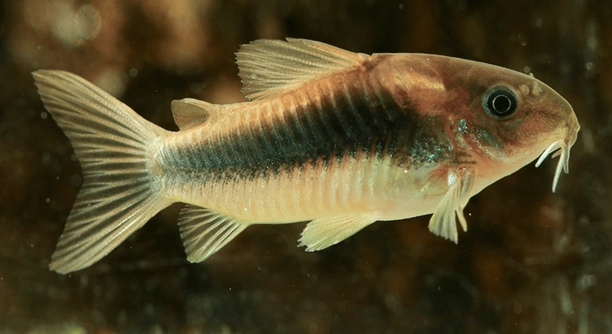
Moving to a new tank can be stressful for your Corydoras catfish. Knowing how to assess their adjustment can help ensure they stay healthy and happy in their new environment. Understanding the signs of a successful move is essential.
The best way to determine if your Corydoras catfish is adjusting well after a move is by monitoring their behavior and appearance. Look for signs like active swimming, regular eating habits, and calmness in their new environment.
Keeping track of these clues will give you a clear picture of how your catfish is settling in. By paying attention to small details, you’ll know when extra care is needed for their wellbeing.
Signs of Stress in Corydoras Catfish After a Move
When your Corydoras catfish moves to a new tank, stress is common. It’s essential to watch for signs that your fish may be struggling. Stress can manifest as erratic swimming, hiding more than usual, or rubbing against objects in the tank. These behaviors indicate that the fish may be having difficulty adjusting. Changes in appetite or a decrease in activity also suggest they aren’t settling in well. Water quality and temperature can affect how your fish adjusts, so it’s important to check those too.
If your Corydoras seems stressed, don’t panic right away. Take a deep breath, observe their actions carefully, and make sure their environment is optimal. Stress is normal when moving to a new space, but consistent signs of discomfort require attention.
Sometimes, a gradual introduction to the new tank can help ease the transition. This process involves limiting the amount of space they can explore at first. Small adjustments like this can make your Corydoras feel more secure, allowing them time to get used to their new surroundings. Additionally, adding some hiding spots in the tank, such as plants or rocks, can make them feel safer. A calm, quiet environment plays a significant role in how quickly your catfish settles in.
Positive Signs of Adjustment
Your Corydoras catfish may begin to show signs of adjustment after a few days.
It’s a good sign when your Corydoras catfish starts to swim actively, explore the tank, and eat regularly. These behaviors indicate that they are feeling more comfortable in their new environment. Keep monitoring their eating habits and activity level, as these will help you gauge their recovery. If they start interacting with other tank mates and show less fear, that’s an even better sign of progress.
Monitoring Eating Habits
A decrease in appetite is often a sign that your Corydoras catfish is still adjusting to its new environment. If your fish isn’t eating, it’s important to check water conditions and temperature. Sometimes, the water chemistry or even the food type may not be appealing yet.
You might want to try different types of food to see if they become more interested. Ensure the water quality is perfect, as poor conditions can affect their ability to eat comfortably. Give it a few days, and if the problem persists, you may need to adjust the environment to make them feel more at ease. A well-adjusted Corydoras will return to regular feeding habits once they are comfortable.
Keep in mind that Corydoras are bottom feeders, so they may not always eat right away if they feel insecure. Be patient and allow them time to get used to the tank. Sometimes, placing food closer to where they usually hide can encourage them to eat.
Observing Activity Levels
If your Corydoras catfish remains mostly stationary or hides more than usual, this could indicate stress. A healthy Corydoras is typically quite active, exploring the bottom of the tank and occasionally swimming up for a breath.
To support their adjustment, ensure there are plenty of hiding spots. Corydoras feel secure in tanks with caves or plants to hide in, so the addition of these can help ease their transition. They may become more active as they grow more comfortable, but if they continue to show signs of lethargy, it’s essential to monitor the tank’s water quality and temperature. Improper conditions can lead to prolonged inactivity.
Sometimes, a change in environment can cause Corydoras to retreat to hiding spots more than usual. If this behavior is persistent for several days, checking water parameters and adjusting decorations or the tank setup may help.
Checking for Abnormal Swimming
Abnormal swimming patterns, like swimming in circles or erratic movements, can signal stress or discomfort. Corydoras typically swim in a calm and steady manner. If you notice sudden changes, it may be time to check water quality.
Stress can affect their balance, so erratic swimming should not be ignored. Make sure the tank conditions are stable. Any sharp temperature changes or poor water quality can cause such behavior.
It’s essential to monitor your Corydoras closely for the first few days after the move. If the abnormal swimming continues, recheck the tank’s filtration system and oxygen levels.
Water Quality and Temperature
Water quality plays a significant role in your Corydoras’ recovery after a move. Poor water conditions can delay their adjustment process, and they might struggle to settle.
Regularly testing for ammonia, nitrites, and nitrates is a good practice. Corydoras thrive in stable water conditions with a pH between 6.5 and 7.5. A sudden change in temperature can also add stress. Always check the temperature to ensure it’s within their preferred range of 72-78°F (22-26°C).
Hiding Behavior
Corydoras tend to hide when feeling stressed or threatened. It’s common for them to spend more time in hiding spots after moving to a new tank.
However, excessive hiding beyond the first few days could indicate an issue. Check for water imbalances or tank disturbances that may cause stress. If your Corydoras remains hidden, it’s important to verify the tank’s temperature, pH, and water quality to ensure everything is within the safe range.
FAQ
How long does it take for Corydoras catfish to adjust to a new tank?
The adjustment period for Corydoras catfish can vary but typically takes anywhere from a few days to a week. It depends on factors like water quality, temperature, and the overall setup of the new tank. If conditions are ideal, they may adapt more quickly. However, if there are issues such as poor water conditions or unsuitable tank mates, it may take longer. The most crucial thing is to observe them closely for any signs of stress or illness during this period.
What should I do if my Corydoras catfish isn’t eating after the move?
If your Corydoras catfish isn’t eating after the move, first check the water quality. Poor water conditions can cause fish to lose their appetite. Ensure the tank is free from harmful chemicals and is the right temperature. Try offering different types of food, as they may be picky about what’s available in the new environment. If the lack of appetite continues for several days, consider isolating them in a quarantine tank with pristine water to rule out tank stressors.
Is it normal for Corydoras catfish to hide after moving to a new tank?
Yes, hiding is a normal behavior for Corydoras catfish after a move. Like many fish species, they can be sensitive to changes in their environment. Hiding helps them feel secure as they adjust. However, excessive hiding beyond a few days could indicate stress or poor tank conditions. Ensure that the tank provides plenty of hiding spots like plants or caves, and monitor their behavior closely. If they remain hidden for too long, it may be worth checking water quality and temperature again.
How can I tell if the water quality is causing problems for my Corydoras?
If your Corydoras catfish are showing signs of stress such as erratic swimming, not eating, or hiding excessively, poor water quality could be a factor. Check for high levels of ammonia, nitrites, or nitrates, which are common issues in newly set-up tanks. Also, measure the pH and temperature to ensure they are within the safe range for Corydoras. Regular water testing is important to avoid such issues and maintain a healthy environment for your fish. If your water parameters are off, perform a water change and adjust accordingly.
Why is my Corydoras swimming strangely after moving to a new tank?
Strange swimming patterns, such as swimming in circles or erratic movements, can indicate stress, poor water quality, or physical injury. Corydoras catfish are usually calm swimmers, so any drastic change in their swimming behavior could be a sign that something’s wrong. First, check the water parameters to ensure everything is stable. If water quality is fine, then the issue could be stress from the move itself or even a potential injury. Ensure there are no sharp objects in the tank that could harm them. If the problem persists, consider consulting a vet for advice.
Should I add more plants or hiding spots to help my Corydoras adjust?
Yes, adding more plants and hiding spots can help your Corydoras adjust to their new environment. Corydoras are bottom dwellers and prefer to have places to hide and feel secure. Adding plants, caves, or rocks can provide them with a sense of safety, reducing stress. They are more likely to explore the tank and become more active if they feel comfortable and protected. Make sure the tank is not overcrowded, though, as too many decorations can hinder their movement.
Can Corydoras catfish get sick from moving to a new tank?
Yes, Corydoras catfish can get sick from the stress of moving to a new tank, especially if the water conditions aren’t optimal. Stress weakens their immune system, making them more susceptible to diseases. Common illnesses that can occur include ich, fin rot, or fungal infections. To avoid this, ensure that the tank is properly cycled, water parameters are stable, and the tank has no harmful chemicals. Additionally, try to minimize stress by making gradual changes to the tank setup. If signs of illness appear, take immediate action to treat the condition.
How can I reduce the stress of moving for my Corydoras?
To reduce stress during a move, acclimate your Corydoras slowly to the new tank. Start by matching the water temperature and parameters between the old and new tank as closely as possible. Avoid sudden changes in the environment, as this can shock the fish. Use a calm, slow method when transferring them, and avoid handling them too much. Adding decorations or plants they recognize from their old tank may also help them feel more at ease. Lastly, give them time to adjust and refrain from disturbing them during the first few days.
Can Corydoras adjust to a new tank with different water parameters?
Corydoras can adjust to new water parameters, but it’s important to do so gradually. Sudden changes in pH, temperature, or hardness can shock their system and cause stress. If you’re moving them to a tank with different water conditions, it’s best to acclimate them slowly by gradually introducing water from the new tank into their transport water over a period of time. This gives them time to adjust without experiencing a sudden shock, which could negatively impact their health.
What do I do if my Corydoras continues to hide and act strange?
If your Corydoras continues to hide and act strangely after a few days, it’s important to check all aspects of the tank. Recheck the water quality, ensuring that parameters like pH, temperature, and ammonia levels are all within safe ranges. If the water is fine, consider whether they have enough hiding places or if they feel threatened by tank mates. You might also want to check the tank’s filter to ensure it’s not causing excessive water flow or turbulence, which could stress your catfish. If the strange behavior persists, consider consulting an aquarium expert for further guidance.
Final Thoughts
After moving your Corydoras catfish to a new tank, it’s essential to give them time to adjust. The process can be stressful for them, but with patience and attention to detail, you can help them settle in. The key is to monitor their behavior closely. If you notice signs of stress, such as abnormal swimming, loss of appetite, or excessive hiding, take immediate action to check the water quality and ensure everything is in optimal condition. Small changes can make a big difference in their comfort and overall health.
Providing a stable and peaceful environment is crucial. Corydoras are peaceful bottom dwellers that thrive in well-maintained tanks with plenty of hiding spots. Adding plants, caves, or rocks can help your fish feel secure and reduce stress. Maintaining consistent water parameters, like temperature, pH, and cleanliness, is important for long-term health. Corydoras can be sensitive to water changes, so making adjustments slowly and carefully will help them adapt more comfortably. If you’re unsure about any adjustments, take the time to research and, if needed, consult an aquarium expert.
In the end, every fish is unique, and the adjustment process may take different amounts of time for each one. However, with proper care and observation, you’ll know when your Corydoras is thriving. Keep a close eye on their eating habits, activity levels, and behavior, and make sure their environment is as comfortable as possible. While the first few days may be challenging, it’s all part of helping your fish settle into their new home. As they adjust, you’ll see signs of happiness and comfort, and that will be the best indicator that they are doing well.

Hello,
If you enjoy the content that we create, please consider saying a "Thank You!" by leaving a tip.
Every little bit helps us continue crafting quality advice that supports the health, happiness, and well-being of pets around the world, for pets of all shapes, sizes, and species.
We really appreciate the kindness and support that you show us!