
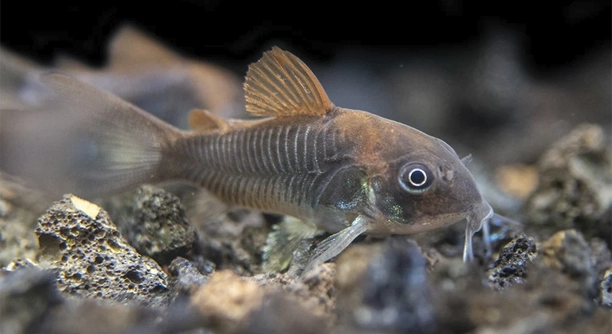
Corydoras catfish are popular aquarium fish known for their peaceful nature and unique behavior. If you notice your corydoras staying near the water’s surface, you might wonder why this is happening.
Corydoras catfish near the water’s surface may indicate that they are seeking oxygen. This can be caused by water quality issues, lack of oxygen, or stress. Other factors like temperature, illness, and tank conditions could also play a role.
Understanding why your corydoras catfish behaves this way can help improve their living conditions. Keep reading to learn about the possible causes and how to ensure your fish stays healthy and happy in its home.
Poor Water Quality and High Ammonia Levels
One of the main reasons your corydoras might hang around the surface is poor water quality. High ammonia or nitrite levels can make the water unsafe, causing fish to seek areas with more oxygen. Ammonia is a byproduct of fish waste and decomposing food, and if not managed properly, it can build up quickly in your tank. Even low levels of ammonia can irritate your corydoras, making them more likely to surface.
Your corydoras could be trying to escape the harmful effects of bad water. If ammonia or nitrites are too high, they may swim to the surface in search of cleaner air or better water conditions. Regular water changes and proper filtration will help maintain the quality of the tank. It’s essential to test the water regularly to catch problems before they get out of hand.
If you notice your corydoras near the surface, testing for ammonia or nitrite levels should be the first step. If levels are too high, immediately change 25-50% of the water. Consider adding more filtration or using products designed to neutralize harmful substances. Ensure you’re doing regular water changes to avoid further issues. If ammonia levels are under control, you may need to investigate other factors affecting your fish.
Oxygen Deprivation
Low oxygen levels in the aquarium can force fish to swim near the surface. Corydoras catfish, like most fish, need sufficient oxygen to thrive. If your tank is overcrowded, it can lead to oxygen depletion, especially if there’s poor water movement. In this case, your corydoras might be trying to get to areas where oxygen is more available.
Proper water movement and aeration are key to keeping oxygen levels optimal in the tank. You can help by adding an air pump, sponge filter, or adjusting the filter flow. These actions increase the oxygen exchange in the tank, making it easier for your corydoras to breathe. Keeping your tank well-oxygenated is especially important if you have a densely stocked aquarium.
In addition to oxygen, water temperature plays a role in the fish’s breathing needs. Higher temperatures reduce oxygen levels in the water, so if your tank is too warm, you might need to lower the temperature slightly to help your corydoras. A consistent, cool environment will help maintain healthy oxygen levels and keep your fish comfortable.
Stress and Anxiety
Stress can cause corydoras catfish to act out of character, including swimming near the surface. Changes in the tank, such as new tankmates, loud noises, or even bright lights, can cause them anxiety. This stress can make your fish more likely to seek comfort at the water’s surface.
Corydoras are sensitive creatures, and any sudden changes in their environment can stress them out. They may hide, swim erratically, or congregate near the surface, searching for a way to feel safer. Keeping their environment stable and quiet is key to reducing stress. Avoid sudden changes to the water or tank setup.
If you’re introducing new fish, it’s a good idea to monitor how your corydoras react. They may need extra time to adjust. The tank should be peaceful, with plenty of hiding spots and plants where they can feel secure. If you notice behavior changes, look at the overall environment and make adjustments to help your fish feel more at ease.
Illness and Infection
Illness or infection can also cause your corydoras to seek the surface. If your fish is sick, it may struggle to breathe and look for areas where oxygen is more accessible. Symptoms like abnormal swimming, loss of appetite, or sluggishness may indicate that your fish is not feeling well.
When corydoras are sick, they often swim near the surface to get more oxygen. Look for other signs of illness, such as discoloration, visible wounds, or unusual behavior. If you notice any of these symptoms, consider isolating the fish in a quarantine tank to treat the illness. A proper diagnosis is important to avoid spreading the problem to other fish.
If the fish is suffering from an infection, you’ll need to treat the tank with the appropriate medication. Consult with an aquarium professional for the best treatment plan. In the meantime, ensure the tank environment is stress-free and that water quality is maintained. Regular water changes can help reduce harmful bacteria or toxins in the water.
High Water Temperature
High water temperatures can stress your corydoras, making them swim near the surface. Hot water holds less oxygen, and fish naturally seek oxygen-rich areas. If your tank temperature is too warm, your corydoras may have trouble breathing.
Make sure your tank is kept within the proper temperature range for your corydoras. The ideal temperature is between 72°F and 78°F. If the water gets too hot, it can also cause other health problems for your fish. You can add a fan, a cooling system, or adjust your tank’s placement to maintain the right temperature.
Monitoring your tank’s temperature regularly is essential. A stable, cool environment will reduce stress and ensure your corydoras remain healthy. If the temperature spikes, immediate action should be taken to bring it back down. Avoid placing your aquarium near direct sunlight or heat sources to prevent temperature fluctuations.
Inadequate Tank Size
Corydoras catfish are social fish that need enough space to move comfortably. If your tank is too small, they may feel crowded and stressed, which can lead them to seek the surface. A cramped tank can make it hard for your fish to feel secure.
Ensure your tank is spacious enough for your corydoras to swim around. A minimum of 20 gallons is recommended for a small group of them. Overcrowding leads to oxygen depletion, higher waste levels, and more stress. Give your fish the space they need to thrive and be comfortable.
Improper Tank Decorations
Sharp or large decorations can also affect how comfortable your corydoras feel in the tank. If the decorations take up too much space or are difficult to navigate, your fish may feel trapped and stressed. This can push them to swim near the surface.
Adding plants, rocks, and hiding spots can help corydoras feel more secure. Make sure that decorations are smooth and fish-friendly, without sharp edges. Proper decoration allows your fish to hide, forage, and move around freely. This reduces stress, making your fish feel safe in their environment.
FAQ
Why does my corydoras swim at the top of the tank?
If your corydoras is swimming near the top of the tank, it may be trying to find more oxygen. This could be due to low oxygen levels in the water, poor water quality, or high water temperatures. Sometimes, stress or illness can also cause them to seek the surface.
How can I fix low oxygen levels in my aquarium?
To fix low oxygen levels, you can add an air pump or increase water movement with a sponge filter. These additions help increase oxygen exchange. You can also make sure your tank is not overcrowded, as this can lead to depleted oxygen. Regular water changes and proper filtration also improve oxygen levels.
What is the best temperature for my corydoras?
Corydoras catfish prefer water temperatures between 72°F and 78°F (22°C to 26°C). If the water is too warm, it can reduce the amount of oxygen in the tank, making it harder for your fish to breathe. Keeping the temperature stable will help reduce stress and ensure your corydoras stay healthy.
Can high ammonia levels cause my corydoras to swim near the surface?
Yes, high ammonia levels can cause corydoras to swim near the surface. Ammonia is toxic to fish and can irritate their gills, leading them to seek areas with better oxygen. Regular water testing and immediate water changes are essential to keep ammonia levels under control and provide a safer environment for your fish.
Should I worry if my corydoras is swimming at the top?
It depends on the context. If your corydoras is swimming at the surface but otherwise looks healthy, it could be a sign that they’re searching for more oxygen. However, if they show other signs like lethargy, loss of appetite, or unusual behavior, it’s time to check the water quality or look for signs of illness.
Can a small tank size cause my corydoras to swim near the surface?
Yes, a small tank can cause your corydoras to swim near the surface due to overcrowding and limited oxygen. Corydoras are social fish and need enough space to feel secure. A cramped tank can lead to stress and poor water quality, which in turn affects their behavior. Make sure the tank is at least 20 gallons for a small group of corydoras.
Can tank decorations make my corydoras swim near the surface?
Sharp or bulky decorations can cause your corydoras to feel stressed or trapped. If the decorations take up too much space or are difficult for the fish to navigate, they might seek the surface. Ensure your tank has smooth, fish-friendly decorations that allow your fish to hide and swim freely.
How do I know if my corydoras is stressed?
Stress in corydoras can be seen in several ways. They might swim erratically, spend more time at the surface, or hide more than usual. Stress can also cause loss of appetite and a change in behavior. It’s essential to observe their surroundings, check water quality, and make sure they aren’t overcrowded.
Can illness cause my corydoras to swim near the surface?
Yes, illness can make corydoras swim near the surface. If they are sick, they may struggle to breathe, so they move towards areas with more oxygen. Look for other signs like abnormal swimming, loss of color, or sluggishness. If these signs are present, consider isolating the fish and treating them in a separate tank.
What should I do if my corydoras seems to be always near the surface?
If your corydoras is consistently near the surface, the first thing to check is water quality. Test for ammonia, nitrite, and nitrate levels, and make sure oxygen levels are high enough. Also, assess the tank temperature, decorations, and stress levels. If no issues are found, consider observing the fish closely for signs of illness.
Can overfeeding cause corydoras to swim near the surface?
Overfeeding can cause poor water quality, which can lead to oxygen depletion and make your corydoras swim near the surface. When uneaten food decomposes, it increases ammonia and nitrate levels, which can irritate your fish. Make sure to feed your corydoras only what they can consume in a few minutes and remove any excess food promptly.
How often should I clean my corydoras tank to prevent surface swimming?
Regular tank maintenance is essential to keep water quality high. Perform partial water changes at least once a week, or more frequently if needed. Clean the substrate using a gravel vacuum to remove any waste or leftover food. Make sure the filter is working efficiently and replace filter media as needed. Keeping your tank clean will help prevent issues that might cause your corydoras to swim at the surface.
Can tankmates affect how my corydoras swim?
Aggressive or overly active tankmates can stress your corydoras and cause them to swim near the surface. Corydoras are peaceful and prefer calm, non-aggressive companions. If you notice your corydoras are always near the surface, consider whether any tankmates might be causing stress or bullying. Remove any aggressive fish if necessary.
Is it normal for corydoras to occasionally swim near the surface?
It is normal for corydoras to occasionally swim near the surface, especially if they are looking for food or oxygen. However, if it becomes a regular occurrence, it might indicate an issue with water quality, temperature, or stress. Regularly check tank conditions to ensure your fish are comfortable.
Can poor tank filtration cause my corydoras to swim near the surface?
Yes, poor filtration can lead to low oxygen levels and poor water quality, which might cause your corydoras to swim near the surface. Ensure that your filter is strong enough for the size of your tank. Regular maintenance and cleaning of the filter will also keep it running efficiently, preventing harmful waste buildup.
Final Thoughts
If your corydoras catfish is spending a lot of time near the surface of the tank, it’s important to figure out what might be causing this behavior. While it can be a normal part of their behavior, especially when searching for food or oxygen, frequent surface swimming may signal a problem. Factors like water quality, temperature, oxygen levels, and stress can all influence your fish’s behavior. Regularly monitoring these aspects of the tank can help you spot issues early, which will lead to a healthier environment for your fish.
Addressing these potential problems is key to ensuring your corydoras stays happy and healthy. Testing the water for ammonia, nitrite, and nitrate levels can help you identify if the water quality is the issue. Ensuring the temperature stays between 72°F and 78°F, along with providing proper filtration, will help maintain a stable environment. If oxygen levels are low, adding an air pump or improving water movement can make a big difference. Keeping an eye on the tank’s conditions, along with a balanced feeding routine, is also crucial to prevent unnecessary stress or illness in your corydoras.
Ultimately, providing your corydoras with a stable, peaceful environment will help them thrive. By understanding the reasons behind their behavior and making the necessary adjustments, you can ensure they have a long and healthy life in your aquarium. Regular tank maintenance, along with monitoring your fish’s behavior, will go a long way in preventing problems. With the right care, your corydoras can continue to be a beautiful and lively addition to your tank.

Hello,
If you enjoy the content that we create, please consider saying a "Thank You!" by leaving a tip.
Every little bit helps us continue crafting quality advice that supports the health, happiness, and well-being of pets around the world, for pets of all shapes, sizes, and species.
We really appreciate the kindness and support that you show us!