
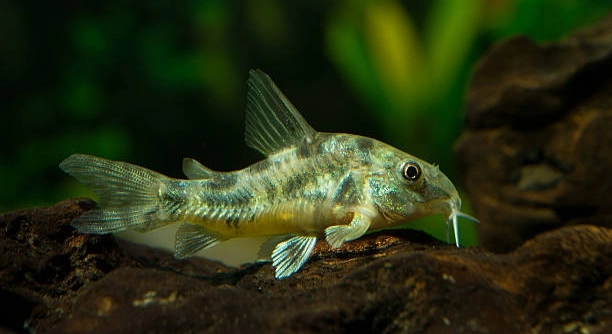
Corydoras catfish are a popular and fascinating species for aquarium owners. Observing their behavior can tell you a lot about their well-being and even their interaction with their environment. One behavior worth noting is their reaction to reflections.
Corydoras catfish are unlikely to recognize their reflection in the same way humans or other animals do. They may react to their reflection as if it were another fish, but over time, they usually lose interest or treat it as background noise.
By watching how your catfish interacts with its reflection, you can learn more about its behavior and needs. Understanding this can help improve your aquarium setup and the overall well-being of your pet.
Why Your Corydoras Might Ignore Their Reflection
Corydoras catfish are naturally curious creatures, but their behavior toward reflections can be puzzling. When they first notice a reflection, they may appear intrigued, swimming toward it, but this behavior tends to change over time. Unlike some species, they don’t typically recognize themselves in the mirror. They might swim in circles, flare their fins, or even “fight” with the reflection. However, after repeated exposure, many Corydoras lose interest entirely. They begin to treat the reflection as a non-threat, similar to how they ignore other features of their tank, like decorations or the filter. This lack of recognition suggests that these fish are not engaging with their reflection in a social or emotional way.
Over time, fish like Corydoras learn to ignore reflections because they don’t pose any direct threat or offer any reward. The reflection, after all, doesn’t move or act like another fish would.
Understanding why Corydoras ignore their reflection helps us realize that fish perception is different from humans. While they might initially react to the reflection, their inability to recognize it as a real fish means they won’t be bothered by it for long. In fact, keeping mirrors in the tank for short periods might even serve as a way to stimulate activity or curiosity. However, leaving it for too long can stress them out, as they might feel trapped in a space they can’t navigate. To avoid stress, it’s essential to monitor how often your Corydoras encounters its reflection. In most cases, they’ll settle into a routine where the reflection no longer garners any attention.
How to Spot the Signs of Reflection Recognition
When your Corydoras begins to recognize its reflection, the signs will be noticeable.
The first step is observing how your Corydoras reacts to changes in its surroundings. When it encounters its reflection for the first time, you might see exaggerated movements or aggressive displays. But these behaviors are temporary. After some time, they’ll stop. If you notice your catfish becoming overly aggressive toward its reflection, it might be a sign of stress. Constant fighting or chasing can indicate that your fish is confused and possibly frustrated by its perceived “rival.” Keeping an eye on your catfish’s activity around reflective surfaces is a good way to understand whether it’s truly recognizing the reflection or simply reacting out of curiosity.
7 Signs Your Corydoras is Reacting to Its Reflection
When a Corydoras first encounters its reflection, the reaction can vary. The fish may swim towards the reflective surface, flare its fins, or appear more active than usual. Over time, they will usually lose interest. If the catfish begins to ignore its reflection, this is a sign that it does not recognize the image as a potential threat.
In some cases, your Corydoras might behave in an exaggerated manner, like darting or quickly changing direction in front of the reflection. This could be a display of confusion or curiosity, as it’s unsure about the “new” fish it’s seeing. This type of behavior usually lasts for a short time, so it’s not a cause for concern. As the catfish becomes more familiar with the mirror, it will start to calm down, showing less aggression or excitement. If the behavior persists, it could indicate that the fish feels threatened by the reflection.
After a while, your Corydoras will likely stop interacting with the reflection altogether. It might simply swim past the reflective surface or even ignore it completely. This change in behavior is normal and shows that the fish recognizes the lack of a real threat. These signs are crucial in understanding your fish’s ability to recognize itself or ignore external stimuli.
Why Some Corydoras Seem Fascinated by Reflections
Sometimes, Corydoras can become fascinated by their own reflection, especially if the mirror is in an area they frequently pass. The constant movement in the reflection might mimic the activity of another fish, which piques their interest. This fascination usually doesn’t last long, though.
The reason behind this short-lived fascination is that Corydoras are primarily social fish. In the wild, they swim in schools, so any unusual movement—like the presence of another fish—catches their attention. However, unlike other species, Corydoras don’t maintain interest in the reflection for long periods. The behavior might include rapid swimming, “charging” at the glass, or hovering in front of the mirror. These are typical signs of curiosity.
Once the Corydoras realizes that the reflection doesn’t respond or move independently, it typically stops reacting. At this point, the fish is simply aware that what it sees isn’t a real fish. This transition from fascination to indifference shows their ability to assess and ignore irrelevant stimuli in their environment.
Can Reflections Stress Your Corydoras?
If your Corydoras sees its reflection too often, it might become stressed. Constant exposure to the reflection can make the fish feel like it’s constantly surrounded by another fish. This can lead to behaviors like erratic swimming, hiding, or increased aggression.
Stress from reflections is most likely if the catfish is continuously reacting to it. Over time, the fish may become more skittish and avoid the area where the reflection is present. Stress can also affect its eating habits and overall health. To reduce this risk, avoid leaving mirrors or reflective surfaces in the tank for too long.
Some Corydoras may become more aggressive when they see their reflection, thinking it is another fish competing for territory. This is especially true if the reflection is constantly in their line of sight. Keeping mirrors out of their environment or limiting exposure will help your fish remain calm.
How Long Should You Keep Mirrors Near Your Corydoras?
It’s best not to keep mirrors near your Corydoras for extended periods. Short bursts of time, maybe 10-15 minutes, are ideal if you want to observe your fish’s behavior. Keeping mirrors in the tank for too long can cause unnecessary stress.
Too much exposure to reflective surfaces can disrupt the catfish’s routine and make them uneasy. The occasional reflection can add some enrichment to their environment, but once they stop reacting, it’s best to remove the mirror. A balanced aquarium setup is crucial for their well-being, so always monitor how your Corydoras behaves.
How to Minimize Stress from Reflections
To minimize stress caused by reflections, try to keep the tank environment calm and consistent. Avoid placing mirrors or any shiny objects in areas where your Corydoras frequently swims. Make sure the tank’s layout has plenty of hiding spots so the catfish can feel safe.
FAQ
How can I tell if my Corydoras is stressed by its reflection?
If your Corydoras is stressed by its reflection, you might notice changes in its behavior. These include rapid or erratic swimming, hiding more often, or acting aggressively towards the reflective surface. The fish might even avoid certain parts of the tank where the mirror is visible. If you see a lack of appetite or more frequent hiding in caves or plants, stress could be the reason. It’s essential to observe their behavior closely and remove the reflective surface if these signs persist.
Is it okay to keep a mirror in my Corydoras tank?
It’s okay to occasionally use a mirror, but only for short periods. If you’re trying to see how your Corydoras reacts to its reflection or want to see some behavior, 10-15 minutes is usually enough. However, mirrors should not be left in the tank long-term. Constant exposure can lead to stress, which can negatively impact the fish’s health. You want your Corydoras to feel secure and not threatened by its environment.
Can my Corydoras recognize itself in the mirror?
No, Corydoras catfish do not recognize themselves in the mirror. They react to the reflection as though it’s another fish. Over time, however, they stop interacting with it once they realize that the “other fish” doesn’t behave like a real one. Corydoras do not have the same self-awareness that some other animals, like certain primates or birds, have when it comes to recognizing their reflection.
Should I be concerned if my Corydoras ignores its reflection?
No, if your Corydoras ignores its reflection, it’s usually a sign that it has accepted that the reflection doesn’t pose any threat. Ignoring the mirror is typical behavior after a fish has gotten used to it. This lack of interest actually means that your catfish is comfortable in its environment. If your fish is healthy, eating well, and swimming normally, there’s no need to worry about the reflection.
How long does it take for a Corydoras to stop reacting to its reflection?
It typically takes a few hours to a couple of days for Corydoras to stop reacting to their reflection. This depends on how often they encounter the reflective surface. In most cases, once they realize there’s no real danger or interaction from the reflection, they lose interest and go back to their usual activities. If the reflection is removed after a short exposure, they may stop reacting even faster.
Will my Corydoras become aggressive if it sees its reflection for too long?
Yes, Corydoras may display aggression if they feel threatened by their reflection. They might swim aggressively toward it, flare their fins, or even try to “fight” the image. If this behavior goes on for too long, it can cause stress and disrupt their normal behavior. It’s essential to remove any mirrors or reflective surfaces as soon as the aggression starts. Limiting their exposure to reflections helps avoid unnecessary stress.
What are the best tank conditions to avoid stress from reflections?
To avoid stress from reflections, keep your Corydoras’ tank setup calm and free of shiny or reflective surfaces. Use natural decorations like rocks, plants, and driftwood to create hiding spots where the fish can retreat if it feels uncomfortable. Keep lighting gentle and diffused, as bright light can also reflect off the tank and cause confusion for the fish. A stable and peaceful environment is essential for your Corydoras’ health.
How do I know if my Corydoras is healthy despite ignoring its reflection?
Ignoring the reflection doesn’t indicate poor health. A healthy Corydoras will be active, swimming normally, and eating well. Look for signs of illness like lethargy, clamped fins, or changes in color. If your fish is moving around the tank, interacting with other fish, and maintaining a good appetite, it’s doing just fine. Reflective surfaces don’t impact their health unless it’s causing stress.
Can too much stimulation from reflections harm my Corydoras?
Yes, excessive stimulation from reflections can cause harm to your Corydoras. Prolonged exposure to a reflection can stress the fish, leading to behavior changes like aggression, hiding, or a decrease in feeding. Stress can weaken the immune system and make the fish more susceptible to illness. It’s important to ensure that your Corydoras has a calm, stable environment to thrive.
Is it necessary to remove all mirrors from my Corydoras tank?
It’s not necessary to remove all mirrors, but it’s important to control the amount of reflective surfaces. If you have a mirror, make sure it’s not in a place where your Corydoras constantly sees it. If you do want to use a mirror to observe your fish, limit the time it’s in the tank to prevent stress. Ensure that mirrors don’t dominate the environment, as consistency and security are important for the well-being of your fish.
Final Thoughts
Corydoras catfish are fascinating and unique creatures, and understanding their behavior can help you care for them better. When it comes to their reaction to reflections, it’s clear that these fish are not capable of recognizing themselves. They might react to the reflection at first, but over time, they tend to lose interest. This behavior is normal and indicates that they are adapting to their environment. As long as the reflection doesn’t stress them out, there’s no need to worry about it.
It’s important to keep in mind that Corydoras can get stressed if exposed to their reflection too often. If you notice your catfish becoming more aggressive or hiding frequently, it might be a sign that the reflection is causing them stress. In these cases, it’s best to remove any reflective surfaces from the tank. A short exposure to a mirror is fine, but leaving it there for too long can disrupt their peace and affect their health. Maintaining a calm and stable environment is essential for keeping your Corydoras happy.
To ensure your Corydoras remains healthy and stress-free, focus on creating an aquarium that meets their needs. Avoid placing mirrors or other reflective surfaces where your fish will constantly encounter them. Provide plenty of hiding spots with plants, rocks, or driftwood, and maintain a consistent environment with gentle lighting. By observing your fish’s behavior and making adjustments when necessary, you can help your Corydoras live a long and healthy life.

Hello,
If you enjoy the content that we create, please consider saying a "Thank You!" by leaving a tip.
Every little bit helps us continue crafting quality advice that supports the health, happiness, and well-being of pets around the world, for pets of all shapes, sizes, and species.
We really appreciate the kindness and support that you show us!