
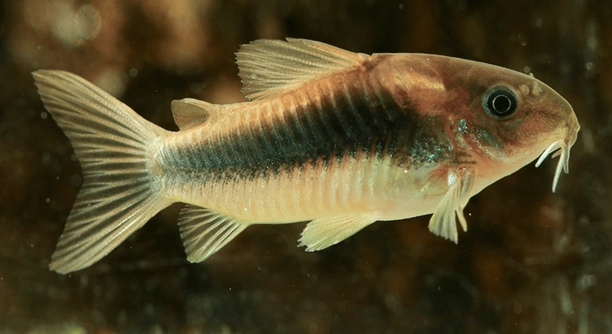
Corydoras catfish are known for their peaceful nature and playful behavior. However, if you’ve noticed them jumping out of the water, you might be wondering what’s causing this unusual behavior. There are several factors at play.
The most common reason for Corydoras catfish jumping out of the water is poor water quality. High levels of toxins, such as ammonia or nitrites, can stress the fish, causing them to leap in search of a safer environment.
Understanding these factors is key to keeping your Corydoras healthy and happy. By addressing their needs, you can prevent this behavior and ensure a comfortable environment for your fish.
Poor Water Quality and Toxins
When it comes to Corydoras jumping out of the water, poor water quality is often the main issue. Corydoras are sensitive fish, and they rely on stable, clean water to thrive. High ammonia, nitrite, or nitrate levels in the tank can be harmful, causing them stress. These toxins are usually a result of overfeeding, inadequate filtration, or not performing regular water changes. When the water becomes polluted, Corydoras may try to escape the toxic environment by leaping out of the tank.
This stress response can lead to frequent jumping, which only worsens their chances of survival. Ensuring proper tank maintenance and monitoring water parameters is essential to their well-being.
To maintain a healthy tank, regularly test the water using an aquarium test kit to ensure the levels of ammonia, nitrites, and nitrates are within safe ranges. Perform water changes every week, and make sure the filter is functioning correctly. A well-maintained tank will reduce stress on your Corydoras and minimize their need to jump out of the water.
Tank Size and Space
A cramped environment can also cause Corydoras to act out. If the tank is too small or overcrowded, the fish may feel stressed and try to escape. Corydoras are active bottom dwellers and need enough space to swim freely.
Crowded conditions can lead to fighting among fish, increased waste buildup, and a lack of oxygen, which can make the water conditions worse. The fish may then jump to find a better environment. It is important to provide enough space for each fish to swim comfortably.
Ensure that your tank is large enough for the number of Corydoras you have. A 20-gallon tank is typically recommended for a small group of these fish. Also, avoid overcrowding by following proper stocking guidelines, which will help maintain water quality and reduce stress levels. Providing a spacious and well-maintained environment will prevent jumping and keep your fish happy.
Water Temperature Fluctuations
Rapid changes in water temperature can also make Corydoras jump. These fish prefer a stable environment with temperatures between 72°F and 78°F. When the temperature drops too low or rises too high, Corydoras may become stressed. This stress can lead them to try to escape the tank in search of more suitable conditions.
It’s essential to monitor the water temperature regularly using a reliable aquarium thermometer. Installing a heater with a thermostat can help maintain a consistent temperature. Temperature fluctuations often happen during the changing of seasons or due to inconsistent room temperature. Make sure your aquarium is placed in a spot with minimal temperature changes.
Sudden temperature changes can shock Corydoras and even lead to illness. Keeping the water temperature within the recommended range reduces stress and promotes a healthier, more stable environment for your fish. A consistent temperature not only makes them feel more secure but also helps them thrive in your aquarium.
Lack of Hiding Spots
Corydoras are naturally shy fish that appreciate having places to hide. If your tank doesn’t provide enough hiding spots, they may become stressed. Stress can cause them to jump, either out of fear or a desire to escape a perceived threat.
In nature, Corydoras seek shelter in plants, rocks, or submerged logs. Without these hiding places in the aquarium, they may feel exposed and vulnerable. Adding plants or caves can help replicate their natural habitat and reduce stress. A well-structured tank gives Corydoras the security they need.
Consider incorporating plants like Java moss, Anubias, or crypts, which provide natural cover and contribute to a more inviting environment. Plastic decorations with sharp edges should be avoided, as they could hurt your fish. Providing enough places to hide will ensure your Corydoras feel safe and secure.
Improper Tankmates
Not all fish get along, and certain tankmates can cause stress to Corydoras. Aggressive or territorial fish can chase and harass them, leading to anxiety and the desire to escape. It’s essential to select peaceful tankmates to avoid triggering this jumping behavior.
Ensure your Corydoras share the tank with non-aggressive species. Fish that are too large or overly active might stress out the Corydoras. Similarly, fin-nippers can harm them, causing them to feel unsafe and prompting jumps. Peaceful, slow-moving fish are ideal companions.
Overfeeding
Overfeeding your Corydoras can lead to water quality issues, which can stress the fish and cause them to jump. Uneaten food breaks down and creates harmful toxins, which can cause poor water conditions. It’s essential to feed your Corydoras only what they can consume in a few minutes.
Overfeeding can also cause bloating and other health problems. Corydoras are small, bottom-dwelling fish, so they don’t need large meals. Feeding them small amounts of food, 1-2 times a day, helps maintain water quality and keeps them healthy. Regularly check your tank for leftover food and remove it to prevent any negative effects.
Poor Water Oxygenation
Corydoras need well-oxygenated water to thrive. If the oxygen level is too low, they may leap out of the tank in search of air. Poor oxygenation usually happens when there is insufficient water movement or filtration.
A strong filter or air pump can help increase oxygen levels in the water. You can also add live plants to naturally oxygenate the tank. If you notice your fish gasping at the surface or jumping, it could be a sign that the water is lacking oxygen.
FAQ
Why do Corydoras jump out of the water?
Corydoras may jump out of the water for several reasons, including poor water quality, stress, and lack of oxygen. High ammonia, nitrite, or nitrate levels can make them feel unsafe, causing them to leap to find better conditions. Temperature fluctuations and overcrowding can also lead to stress, prompting them to jump. Additionally, the fish may jump when they feel exposed or don’t have enough hiding spots in the tank. Addressing water quality, tank size, and providing a secure environment can reduce the likelihood of jumping.
How can I prevent my Corydoras from jumping?
To prevent your Corydoras from jumping, make sure the water conditions are stable. Regularly test for toxins like ammonia, nitrites, and nitrates, and perform weekly water changes. Maintain a consistent water temperature and avoid overcrowding the tank. Adding plenty of hiding spots and ensuring there’s enough oxygen in the water will also help create a safer environment for your fish.
What water temperature is best for Corydoras?
Corydoras prefer water temperatures between 72°F and 78°F (22°C to 25°C). A consistent temperature within this range ensures they feel comfortable and reduces stress. Using a reliable aquarium heater with a thermostat can help maintain a stable environment. Avoid placing the tank in areas with drastic temperature changes.
How do I know if my Corydoras is stressed?
Signs of stress in Corydoras can include unusual jumping, hiding more than usual, or swimming erratically. They may also gasp at the surface if oxygen levels are low. If their fins appear clamped or they seem lethargic, these are also indicators that something might be wrong in the tank environment. Monitoring water quality and addressing tank conditions will help alleviate their stress.
Do Corydoras prefer a tank with other fish?
Corydoras are social fish and generally prefer to be kept in groups with other peaceful tankmates. They are bottom dwellers, and while they don’t mind sharing their space, avoid aggressive or territorial fish. It’s best to house them with other non-aggressive species that won’t compete for space or cause stress.
What should I feed my Corydoras?
Corydoras are omnivores, and their diet should include a variety of foods. You can feed them high-quality sinking pellets, live or frozen food like bloodworms, brine shrimp, and small amounts of vegetables like blanched zucchini or peas. Make sure to feed them in moderation to avoid overfeeding, which can lead to water quality issues.
Can Corydoras live with shrimp or snails?
Yes, Corydoras can live with shrimp and snails, as long as the shrimp are large enough not to be eaten and the snails are compatible with the fish. Corydoras are peaceful, so they won’t typically bother shrimp or snails. However, smaller shrimp may be at risk, especially if the Corydoras mistake them for food.
How can I make my Corydoras feel more secure?
To make your Corydoras feel secure, provide plenty of hiding spots like caves, rocks, and live plants. They prefer an environment where they can retreat when feeling threatened. The tank should also have low to moderate water flow, as strong currents can stress them out. A well-planted tank can simulate their natural environment and make them feel more at home.
How big of a tank do Corydoras need?
Corydoras need at least 20 gallons of water for a small group of 3-5 fish. If you plan to keep a larger group, you may need a larger tank. Providing ample space is important for their well-being. Overcrowding can lead to poor water quality and increased stress, which may cause them to jump.
What are some common health problems in Corydoras?
Corydoras are prone to common fish diseases like ich (white spot disease), fungal infections, and external parasites. Poor water quality is a common cause of these problems. Regular water changes and maintaining a clean tank can prevent most health issues. Always monitor your Corydoras for signs of illness, such as loss of appetite or abnormal swimming patterns.
Can Corydoras live with Betta fish?
Corydoras can live with Betta fish if the Betta has a calm temperament. However, Betta fish are known to be territorial, especially towards fish with long fins or bright colors. Corydoras are small and generally keep to the bottom of the tank, which can reduce the chance of conflict. Keep an eye on the Betta’s behavior to ensure no aggression occurs.
Final Thoughts
Corydoras catfish are generally peaceful and low-maintenance fish, making them a popular choice for many aquarium owners. However, when they begin jumping out of the water, it’s important to understand that this behavior is a sign that something in their environment is causing them stress. Whether it’s poor water quality, temperature fluctuations, overcrowding, or lack of hiding spots, addressing these issues can help reduce the chances of your Corydoras leaping out of the tank. Ensuring that your aquarium is clean, stable, and spacious is key to their overall well-being.
In addition to creating the right environment, it’s essential to maintain proper care by feeding your Corydoras appropriately and providing suitable tankmates. Overfeeding or choosing aggressive fish can lead to water quality problems and stress your fish. Having peaceful tankmates and offering a varied diet will help keep your Corydoras healthy and satisfied. If you notice your fish are jumping more often, it could also be a sign that something else is out of balance in their environment, so it’s important to closely monitor water parameters and address any concerns as soon as possible.
By paying attention to your Corydoras’ needs, you’ll not only prevent jumping but also ensure they live a long, healthy life. Proper water changes, monitoring temperature and oxygen levels, and providing plenty of hiding spaces can make a significant difference. Remember, these small fish thrive in stable, secure environments where they feel safe and comfortable. When you provide a suitable home for your Corydoras, they will be much less likely to jump out of the water, and you’ll be able to enjoy their playful and peaceful behavior for years to come.

Hello,
If you enjoy the content that we create, please consider saying a "Thank You!" by leaving a tip.
Every little bit helps us continue crafting quality advice that supports the health, happiness, and well-being of pets around the world, for pets of all shapes, sizes, and species.
We really appreciate the kindness and support that you show us!