
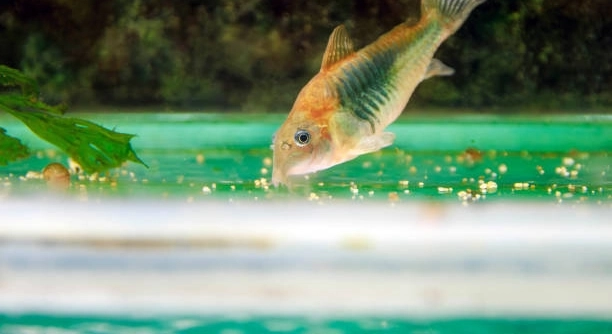
Corydoras catfish are popular in aquariums for their peaceful and social nature. However, sometimes these fish seem to prefer playing alone. This behavior can be puzzling for many fish keepers. Understanding why this happens is important for their well-being.
The main reason for a Corydoras catfish playing alone could be stress, health issues, or unsuitable tank conditions. These factors can cause them to isolate themselves from other fish, which is unlike their usual social behavior.
A deeper look into your tank setup and fish health may reveal what’s causing the change. Fixing these issues can help your Corydoras feel comfortable again.
Stress and Its Impact on Corydoras Catfish
Stress is one of the most common reasons a Corydoras catfish might choose to play alone. When they feel stressed, they may retreat to a corner of the tank or remain inactive. Stress can arise from several sources, including sudden changes in water temperature, water quality, or overcrowding. Corydoras are sensitive to their environment, so even small shifts can make them uneasy. If they are stressed for too long, their immune systems can weaken, making them more prone to diseases. It’s essential to keep an eye on their behavior to catch early signs of stress.
Sometimes, a stressed Corydoras will hide or appear lethargic. If you notice these signs, it’s best to check the water parameters, as poor water quality is often to blame. Regular water changes and keeping the tank clean will help reduce stress and encourage your catfish to interact more.
If you suspect stress is the issue, making simple changes to the environment can encourage your Corydoras to feel safe again. The more comfortable they are, the more likely they will enjoy the company of others.
Tankmates and Compatibility
Tankmates play a significant role in how your Corydoras behave. Some fish are more aggressive, while others are more peaceful. If your Corydoras is placed with aggressive species, they may shy away or try to isolate themselves. Corydoras prefer calm and peaceful environments. When housed with compatible tankmates, they are more likely to be social.
If your Corydoras isn’t social, consider checking the compatibility of its tankmates. Aggressive or overly active fish can cause stress, which makes your Corydoras retreat. Be mindful of each species’ temperament and choose tankmates that suit their peaceful nature.
Water Quality
Poor water quality is one of the main reasons Corydoras may isolate themselves. High levels of ammonia, nitrites, or nitrates can make them feel unsafe, causing stress. Regular water testing is crucial to ensure that the levels stay within the ideal range for Corydoras to thrive.
Maintaining clean, clear water helps Corydoras feel secure and comfortable in their environment. You should perform regular water changes, at least 25% once a week, and use a good filtration system to keep the water parameters stable. Dirty or polluted water can lead to diseases, which further discourages interaction with other fish.
Inadequate filtration or infrequent water changes can cause dangerous buildup in the tank, making Corydoras more prone to stress and isolation. A stable environment is key to keeping them happy and healthy. Make sure to monitor the water quality consistently to avoid any issues that may affect their behavior.
Temperature and Tank Environment
Corydoras catfish are sensitive to temperature changes. They thrive in water between 72°F and 78°F (22°C to 26°C). If the temperature fluctuates too much, they may become stressed and withdrawn, preferring to stay alone. Maintaining a consistent water temperature with a reliable heater can prevent this.
Sudden temperature changes can shock your Corydoras, causing them to retreat and stay inactive. If the water gets too cold or too warm, they won’t feel comfortable enough to interact with other fish. By keeping the tank temperature stable, your Corydoras will be more likely to socialize.
To keep them comfortable, invest in an aquarium thermometer to regularly check the temperature. Make sure that the heater is working properly and that there are no drastic fluctuations. Creating a stable environment will help your Corydoras feel safe and more willing to mingle with others.
Illness or Injury
If your Corydoras catfish is playing alone, it may be due to illness or injury. Fish often isolate themselves when they don’t feel well, as it’s their way of avoiding further stress. This behavior can signal a problem that needs attention.
Look for signs like changes in appearance, such as faded color, visible wounds, or abnormal swimming behavior. If your Corydoras is hurt or sick, it may need treatment. Quarantine it in a separate tank for observation and give it the proper care.
Isolating sick or injured fish helps reduce stress from other tankmates and allows them to recover in peace. If your Corydoras continues to act alone, consider seeking advice from an aquarium professional.
Tank Size
A tank that is too small can cause stress for your Corydoras. These fish are social and enjoy swimming in groups, so if they’re confined to a small space, they may feel anxious and withdraw. A larger tank provides more room to explore.
Corydoras need a tank that is at least 20 gallons for a small group. The more space they have, the more comfortable they will feel. Crowded tanks can lead to territorial disputes and a lack of hiding spots, making your Corydoras more likely to isolate themselves.
The extra space also allows you to add more hiding places and plants. Providing a natural environment helps your Corydoras feel secure and promotes social behavior.
FAQ
Why is my Corydoras catfish staying in one spot?
If your Corydoras catfish is staying in one spot, it could be a sign of stress, illness, or environmental issues. Corydoras tend to stay still when they are not feeling well. It’s essential to check the water quality, temperature, and tankmates. If the water parameters aren’t ideal, they might become lethargic and isolate themselves. Illnesses like parasitic infections or wounds may also make them prefer to stay in one place. Observe for any signs of physical changes, such as fading color or swelling, to better determine the cause.
How can I make my Corydoras feel less stressed?
To reduce stress, focus on creating a peaceful and stable environment. Keep the water temperature consistent, ideally between 72°F and 78°F, and perform regular water changes. A good filtration system will help maintain the water quality. You should also avoid overcrowding and ensure the tank has plenty of hiding spots, plants, and decorations. Avoid introducing aggressive tankmates, as they can further stress your Corydoras. Creating a calm and secure space will help your catfish feel more comfortable and less isolated.
Can Corydoras be kept alone?
Corydoras are social fish and generally prefer to live in groups. Keeping them alone may cause them to become stressed or withdrawn. It’s best to keep them in groups of at least 3 to 5 individuals. When housed with others of their kind, they will feel more secure and be more active. A solo Corydoras may isolate itself because it feels uncomfortable or unsure. In the wild, they naturally form schools for safety and social interaction, so replicating this environment in your tank is crucial.
How do I know if my Corydoras is sick?
Signs that your Corydoras may be sick include changes in appearance, like faded color or abnormal growths, and changes in behavior, such as swimming erratically or hiding more often. If your catfish is swimming near the surface or at the bottom of the tank in a lethargic state, this may indicate stress or illness. Additionally, look for any signs of lesions, ulcers, or clamped fins. If you notice any of these symptoms, it’s best to separate the sick fish and treat it in a quarantine tank to avoid spreading any potential disease to the rest of the tank.
What is the best tank setup for Corydoras?
Corydoras thrive in tanks with a fine, soft substrate, like sand, to protect their sensitive barbels. They also enjoy having plenty of hiding spots, such as plants, caves, or driftwood, to feel secure. The tank should have gentle filtration to avoid strong currents, as Corydoras prefer calm waters. Additionally, you should ensure the tank is large enough to accommodate a group of at least 3 to 5 Corydoras. A 20-gallon tank is ideal for smaller groups. Regular water changes are necessary to maintain a clean and healthy environment.
How often should I feed my Corydoras catfish?
Corydoras catfish are scavengers and enjoy a varied diet. You should feed them once or twice a day, offering a small amount of food that they can consume within a few minutes. Their diet should include sinking pellets, wafers, and live or frozen food like bloodworms or brine shrimp. Avoid overfeeding, as uneaten food can degrade water quality. A balanced diet will help keep your Corydoras healthy, active, and less likely to isolate themselves due to malnutrition.
Can Corydoras live with other fish?
Yes, Corydoras are peaceful fish that generally get along well with other non-aggressive species. However, they should not be kept with larger or more aggressive fish that may harass or outcompete them for food. They also do well with other peaceful bottom-dwelling fish, such as other catfish or small species like tetras. As always, consider each species’ temperament and tank requirements when selecting tankmates for your Corydoras. Creating a harmonious community tank will encourage your Corydoras to stay active and social.
Why is my Corydoras catfish breathing heavily?
Heavy breathing in Corydoras can indicate that the water quality is poor, especially if there are high levels of ammonia, nitrites, or low oxygen levels. It’s also possible that your fish is stressed or suffering from an illness. To help, test the water parameters and perform a water change if necessary. You should also check the filtration system to ensure it is providing adequate oxygenation. If the heavy breathing persists despite improving water conditions, it’s worth investigating further for potential illnesses.
Do Corydoras catfish need a heater?
Yes, Corydoras are tropical fish and prefer water temperatures between 72°F and 78°F (22°C to 26°C). If the room temperature is too cold, you should provide a heater to maintain a stable temperature. A fluctuating temperature can cause stress and make them less active, leading to isolation. Use a reliable aquarium heater with a thermostat to regulate the water temperature and ensure that your Corydoras remains comfortable and healthy.
Why is my Corydoras catfish swimming upside down?
Swimming upside down is abnormal for Corydoras catfish and may indicate an issue with their swim bladder. A damaged or infected swim bladder can cause difficulty controlling buoyancy. Other potential causes include injury or stress. If your Corydoras is swimming upside down, you should isolate it in a separate tank for observation. Make sure water quality is optimal and avoid overfeeding, as digestive issues can also lead to swim bladder problems. If the condition doesn’t improve, you may need to consult an aquarium specialist.
Final Thoughts
Corydoras catfish are peaceful, social creatures that typically thrive in groups. When they seem to be playing alone or isolating themselves, it’s often a sign that something is wrong. Whether it’s stress, illness, or environmental factors, it’s important to address these issues quickly to ensure your catfish remains healthy and comfortable. By understanding the common causes of their behavior, you can take steps to improve their environment and help them feel more at ease.
A proper tank setup is essential for Corydoras. They need clean, stable water conditions, with a temperature range of 72°F to 78°F (22°C to 26°C), and plenty of space to swim and hide. A larger tank with appropriate filtration and gentle water flow will help keep them calm. Regular water changes and monitoring water quality will prevent stress caused by poor conditions. It’s also important to provide hiding places, plants, or decorations that mimic their natural environment. A well-maintained tank encourages your Corydoras to interact more with others and feel safe in their space.
Finally, be mindful of their tankmates. Corydoras are peaceful fish, but if they’re placed with more aggressive species, they might withdraw. Ensuring compatibility between tankmates is key to fostering a peaceful environment. By considering their needs and paying attention to their behavior, you can create a tank that supports both their physical and emotional well-being. With the right care, your Corydoras can thrive and remain active, healthy, and happy in their aquatic home.

Hello,
If you enjoy the content that we create, please consider saying a "Thank You!" by leaving a tip.
Every little bit helps us continue crafting quality advice that supports the health, happiness, and well-being of pets around the world, for pets of all shapes, sizes, and species.
We really appreciate the kindness and support that you show us!