
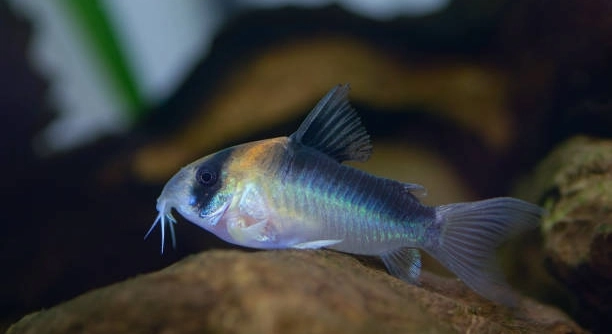
If you have a Corydoras catfish in your aquarium, you may have noticed some strange behavior after cleaning the tank. This is a common occurrence that can be caused by several factors.
Corydoras catfish are sensitive to changes in water parameters. After a tank cleaning, disturbances in water quality, temperature, or the introduction of new elements may cause them stress, leading to unusual behavior such as hiding or erratic swimming.
Understanding the potential causes of this strange behavior will help ensure your fish remains healthy and comfortable in its environment.
Sudden Changes in Water Quality
After a tank cleaning, even small changes in water quality can affect your Corydoras catfish. When you clean the tank, you may unintentionally alter factors like pH, ammonia levels, or nitrates. These changes can stress your fish, making them act strangely. Corydoras are sensitive to water conditions, and if the water parameters shift too quickly, they may show signs of distress, such as hiding or becoming lethargic. It’s important to test the water regularly, especially after cleaning, to ensure it remains within a safe range for your fish. Even though it may seem like a minor change, the fish can perceive it as a threat to their environment. To avoid this, try to keep the water parameters stable and gradual. It helps to have a filter that works well to maintain consistent conditions.
Testing the water before and after cleaning will give you a clearer idea of any changes that might have occurred. This is a key step in ensuring your fish’s well-being.
By keeping track of the water quality and making adjustments as needed, you’ll help your Corydoras catfish feel more comfortable and reduce any unusual behavior after cleaning. This will support their overall health in the long run.
Temperature Fluctuations
Temperature changes can also contribute to strange behavior in your Corydoras catfish. If the water temperature fluctuates too much after a cleaning, it can cause the fish to become stressed. Ideally, the water should be kept within a narrow range of temperature, typically between 72°F and 78°F (22°C to 26°C) for Corydoras. If you clean the tank with cold water or allow the temperature to rise or drop suddenly, it may disrupt their comfort zone. This can make the fish more vulnerable to illness and cause erratic movements, such as darting or hiding. To avoid this, always use water of a similar temperature when doing tank maintenance.
When adjusting the temperature, do so gradually. Rapid shifts in temperature are more likely to stress your fish.
Disturbance from Tank Decorations
Cleaning your tank can disrupt the layout of decorations and hiding spots. Corydoras catfish rely on these areas to feel safe. If decorations are moved or removed, it may cause them to feel exposed or stressed. This can lead to behavior changes such as hiding more often or avoiding certain areas of the tank.
After cleaning, it’s important to replace the decorations in their original positions as much as possible. Keeping the setup familiar helps reduce stress for the fish. Consider adding or rearranging hiding places, as these fish appreciate having space to retreat if they feel threatened.
Adding additional plants or caves can give your Corydoras more hiding options. A varied and secure environment is crucial to their comfort, especially after a tank cleaning. The more stable and familiar the tank layout, the easier it will be for your catfish to adjust.
Overuse of Cleaning Products
Overuse of tank cleaning products can leave residues that affect your Corydoras catfish. Some cleaners are harsh and may contain chemicals that disrupt water quality or directly harm the fish. Even with a thorough rinse, residues can linger and cause health problems.
It’s best to use cleaning products designed for aquariums or natural alternatives like vinegar or baking soda. Avoid harsh chemicals, as they can interfere with the natural balance of your tank. Make sure to rinse decorations and equipment thoroughly before placing them back in the tank.
In addition to using proper cleaning products, always ensure the tank is well-ventilated during and after cleaning to allow any chemicals to dissipate. Keeping your Corydoras safe means using methods that are gentle on both the environment and the fish.
Changes in Water Flow
After cleaning the tank, the water flow might change due to adjustments in the filter or pump. Corydoras catfish prefer calm water and may become stressed by strong currents. If the flow becomes too intense, they may swim erratically or hide.
To keep the water flow suitable for your fish, check the filter settings after cleaning. You can adjust the flow or place the filter in a position where the current is gentler. Avoid strong, direct currents that could disturb the natural behavior of the fish.
A gentle, consistent water flow will help your Corydoras feel at ease and reduce signs of stress or unusual swimming patterns.
Stress from Overhandling
Overhandling your Corydoras catfish during cleaning can cause significant stress. Fish do not like to be touched or removed from the tank, as it disrupts their environment and safety. This stress can manifest as hiding, reduced activity, or erratic behavior.
It’s best to minimize contact with your fish during cleaning. If you need to move or catch them, do so gently and only when necessary. The less physical interaction, the better it will be for your Corydoras.
Handling should be limited to the essential maintenance tasks to keep your fish stress-free.
Water Chemistry Imbalance
After cleaning, sometimes there can be an imbalance in the tank’s chemistry, even if water changes are done correctly. The introduction of fresh water or cleaning materials might cause a shift in parameters like pH or hardness. This can confuse your fish.
Test the water for changes in pH, hardness, ammonia, or nitrites after cleaning. Make sure the levels are stable and match the requirements for Corydoras catfish. Maintaining consistent water chemistry is crucial to your fish’s well-being.
A stable tank environment is key to keeping your fish comfortable and reducing post-cleaning stress.
FAQ
Why is my Corydoras catfish hiding after cleaning the tank?
Hiding can be a sign of stress after a tank cleaning. Corydoras catfish feel safest in stable environments, and any changes, such as water quality or the rearrangement of decorations, may make them retreat to hiding spots. It’s also possible that the water flow or temperature changed during the cleaning process, further contributing to their desire to stay hidden. It’s important to monitor water conditions, ensure a gentle flow, and place decorations back in their original spots to reduce their stress.
Can water temperature changes affect my Corydoras catfish after cleaning?
Yes, Corydoras catfish are very sensitive to water temperature. If the water temperature drops or rises unexpectedly during cleaning, your catfish may become stressed and act strangely. Sudden temperature changes can cause them to hide or swim erratically. Always make sure that the water you add during a water change is the same temperature as the tank water, or adjust the tank’s temperature gradually to avoid shocking your fish.
Should I use any special cleaning products when cleaning my tank for Corydoras catfish?
It’s crucial to use aquarium-safe cleaning products when cleaning your tank. Many standard household cleaners contain chemicals that can be harmful to fish. Opt for aquarium-specific cleaners or natural alternatives like vinegar or baking soda. Always rinse any equipment thoroughly before returning it to the tank to avoid leaving behind harmful residues that could affect your fish’s health.
How often should I clean my tank if I have Corydoras catfish?
Corydoras catfish are sensitive to poor water conditions, so regular maintenance is important. You should perform partial water changes every 1-2 weeks to maintain water quality. Full tank cleanings can be done every 4-6 weeks, but avoid disturbing too much of the tank’s environment at once. Clean the substrate gently to remove debris without harming the fish.
Can I add new fish to the tank after cleaning?
It’s best to wait at least 24-48 hours after cleaning your tank before introducing new fish. This allows time for the water parameters to stabilize after any changes that may have occurred during cleaning. Introducing new fish too soon could stress both the new and existing fish, potentially leading to health problems. Always test the water and ensure it’s stable before adding new fish.
What can I do to help my Corydoras catfish feel more comfortable after cleaning?
To make your Corydoras catfish feel more comfortable, ensure that water parameters are stable and within the ideal range for their species. Provide plenty of hiding spots, such as plants, caves, or decorations, to give them a sense of security. Avoid moving decorations too much during cleaning, and make sure the water flow isn’t too strong. Offering a stable and familiar environment will help reduce post-cleaning stress.
How do I know if my Corydoras catfish is stressed after cleaning?
Signs of stress in Corydoras catfish include excessive hiding, reduced activity, erratic swimming, or loss of appetite. If you notice any of these behaviors after cleaning, it may be a sign that the fish is struggling to adjust to changes in the tank. It’s important to monitor the water quality and make sure the tank’s environment is suitable for your fish.
Is it normal for my Corydoras catfish to swim upside down after cleaning?
Swimming upside down or on their backs is not normal behavior for Corydoras catfish and could be a sign of stress or an underlying health issue. If this behavior persists after cleaning, it may indicate a problem with water quality, temperature, or physical injury. Check your water parameters immediately and observe the fish closely for other signs of illness.
Why does my Corydoras catfish swim in circles after a tank cleaning?
If your Corydoras catfish swims in circles after a tank cleaning, it may be responding to changes in the water quality or flow. Corydoras are sensitive to environmental shifts, and such behavior could be due to disorientation. Ensure the water quality is stable and test for any imbalances that might be affecting your fish. If the behavior continues, consider checking for physical injuries or diseases that could be causing distress.
How can I prevent my Corydoras catfish from becoming stressed during tank cleaning?
To minimize stress, always perform tank cleanings gently and gradually. Keep the water parameters stable and avoid sudden changes in temperature or pH. Try not to disturb the tank’s layout too much, as Corydoras catfish rely on familiar hiding spots. Additionally, ensure the water flow is not too strong, as they prefer calm waters.
Should I quarantine my Corydoras catfish if it shows signs of illness after cleaning?
If your Corydoras catfish shows signs of illness after cleaning, it may be wise to quarantine it in a separate tank. This will allow you to monitor the fish closely and prevent potential spread of any diseases. It’s also important to ensure the water in the main tank is stable and free from harmful bacteria or chemicals that could have caused the issue.
Final Thoughts
Corydoras catfish are hardy and generally easy to care for, but they are sensitive to changes in their environment. After a tank cleaning, it’s common for them to act strangely due to stress. It’s important to take the necessary steps to ensure their comfort by keeping water conditions stable, avoiding harsh chemicals, and providing a consistent environment. Paying attention to subtle changes in their behavior will help you understand if something is wrong and allow you to address issues before they become serious.
One of the best things you can do to minimize stress is to avoid making drastic changes to the tank after cleaning. Corydoras catfish feel secure when their environment stays familiar, so placing decorations back in their original spots, maintaining the same water temperature, and ensuring the water flow isn’t too strong will help them feel safe. With these small adjustments, your catfish will have a much easier time adjusting to the post-cleaning environment. They are sensitive creatures, and even minor changes can affect them, so it’s worth taking a careful, gentle approach during cleaning.
Maintaining regular water changes and monitoring the health of your Corydoras catfish can prevent many post-cleaning issues. If they continue to act strangely after a tank cleaning, always check the water quality and look for signs of illness or injury. Corydoras catfish are peaceful and relatively low-maintenance, but their sensitivity to environmental changes means that regular observation is key. By understanding the causes of their stress and making small adjustments, you can ensure that your fish remain happy and healthy in their tank.

Hello,
If you enjoy the content that we create, please consider saying a "Thank You!" by leaving a tip.
Every little bit helps us continue crafting quality advice that supports the health, happiness, and well-being of pets around the world, for pets of all shapes, sizes, and species.
We really appreciate the kindness and support that you show us!