
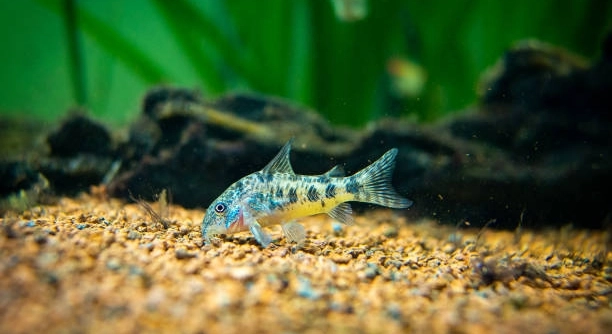
Corydoras catfish are popular aquarium fish known for their peaceful nature and charming behavior. However, like all fish, they need a healthy immune system to thrive and stay disease-free.
To strengthen your Corydoras catfish’s immune system, maintaining water quality, a balanced diet, and stress reduction are key factors. Additionally, ensuring proper tank conditions, avoiding overcrowding, and regular monitoring can help keep your fish in optimal health.
Taking these steps will help prevent illness and keep your Corydoras thriving. With the right care, you can support their immune system and enjoy their company for years to come.
Keep the Water Clean and Stable
One of the most important factors in maintaining a healthy immune system for your Corydoras is keeping the water clean. These fish are sensitive to changes in their environment, and poor water quality can lead to stress and illness. Regular water changes, along with proper filtration, will help maintain clean water. Testing the water regularly for ammonia, nitrites, and nitrates is essential, as high levels of these chemicals can harm your fish. Aim to keep the temperature stable as well, as rapid fluctuations can weaken their immune response.
To keep your Corydoras healthy, ensure the water stays clean and well-maintained. Water testing kits are a great investment to monitor ammonia, nitrites, and nitrates in your aquarium.
Cleaning the tank is simple and effective, but it requires consistency. Performing weekly water changes, cleaning the filter, and ensuring the tank is free from excess waste will reduce the chance of harmful bacteria spreading. Avoid overcrowding, as this can increase waste production and cause water quality issues. Providing a stable temperature, typically between 72-78°F (22-26°C), also helps keep the fish from experiencing unnecessary stress. Keeping the water clean and stable is one of the easiest and most effective ways to support your Corydoras’ immune system.
Provide a Balanced Diet
A balanced diet is vital for strengthening the immune system of your Corydoras. These fish are omnivores, so they need a mix of both plant and animal-based foods. Quality pellets designed for bottom-dwelling fish are great, but it’s also important to add variety.
Offer your fish live or frozen foods such as bloodworms, daphnia, and brine shrimp to provide essential proteins. Along with protein, include vegetables like blanched zucchini or spinach to supply fiber and nutrients. This variety ensures they get the necessary vitamins and minerals for overall health and immune support.
Corydoras also benefit from occasional algae wafers or sinking pellets, which provide extra nutrients that support digestion and immune function. A varied diet ensures that your fish are getting all the nutrients they need to stay healthy and resist diseases. Ensure feeding is done in moderation, as overfeeding can lead to water quality problems and stress, undermining the efforts to keep your fish healthy.
Minimize Stress Levels
Stress is a major factor that weakens the immune system of Corydoras. These fish can easily become stressed by sudden changes in their environment, noisy surroundings, or poor water conditions. It’s important to create a peaceful environment with minimal disturbances.
Corydoras thrive in quiet, stable environments. Avoid placing the aquarium in high-traffic areas or where loud noises occur frequently. Keep the lighting low and avoid sudden movements around the tank. If possible, limit the number of visitors who might cause stress to your fish. Regular water changes and proper filtration can also help reduce stress by maintaining water quality.
Stress is often linked to poor health and weakened immune systems. If you notice signs of stress like erratic swimming or hiding, assess their environment and make changes. Ensuring your Corydoras feel safe and undisturbed will help maintain a strong immune system and overall health.
Proper Tank Setup and Environment
The setup of your tank plays a critical role in the health of your Corydoras. These bottom-dwellers require hiding spots and soft substrate to feel secure. Use smooth gravel or sand, as sharp edges can cause injury.
A well-planted tank offers great hiding spots and mimics the natural environment of Corydoras, where they feel most comfortable. Live plants also help improve water quality by absorbing excess nutrients. Make sure the tank has sufficient filtration to keep the water clean, but avoid strong currents as they can stress the fish. Proper aeration also helps to maintain oxygen levels, ensuring the fish breathe comfortably.
The water temperature should be within the 72-78°F (22-26°C) range, and the pH should be kept between 6.0 and 7.5 for optimal health. A stable environment, with proper hiding spots, smooth substrate, and clean water, supports the immune system of Corydoras, making them more resilient to diseases. Regular monitoring of tank conditions ensures they thrive and stay strong.
Avoid Overcrowding
Overcrowding the tank can cause stress and poor water quality, both of which harm the immune system. Keeping too many fish in a small tank increases waste production, leading to dangerous levels of ammonia and nitrites.
To prevent overcrowding, make sure your tank has enough space for all the fish. A good rule of thumb is one inch of fish per gallon of water. Providing enough space for each fish to swim freely reduces stress and helps maintain water quality. Overcrowding can lead to competition for food, which further weakens the immune system. Keep the population in check to ensure healthy, happy fish.
Quarantine New Fish
Quarantining new fish is essential to prevent the spread of diseases that may harm your Corydoras. This practice helps identify any potential health issues before introducing them to the main tank.
Before adding any new fish to your aquarium, place them in a separate quarantine tank for at least two weeks. During this time, observe their behavior and look for signs of illness. If you notice anything unusual, treat the new fish separately to avoid infecting your existing fish. Quarantining new additions helps keep your Corydoras safe from potential infections.
Regular Monitoring and Maintenance
Regular monitoring of your tank’s conditions is key to maintaining the health of your Corydoras. Consistently check water parameters, such as temperature, pH, and ammonia levels, to ensure they are within safe ranges. This helps to spot any changes early before they become bigger problems.
Routine maintenance includes cleaning the filter, removing excess waste, and performing water changes. It’s also important to observe the fish for any signs of illness or stress. Early detection and intervention can prevent serious health issues and reduce the risk of infections. Monitoring your tank and fish regularly will help you keep your Corydoras in the best condition possible.
FAQ
What should I feed my Corydoras to boost their immune system?
A well-balanced diet plays a major role in supporting the immune system of Corydoras. These fish are omnivores, so their diet should consist of a combination of proteins, vegetables, and algae. High-quality sinking pellets designed for bottom-feeding fish are an excellent base. Additionally, supplementing with live or frozen foods, such as bloodworms, brine shrimp, and daphnia, will provide the necessary proteins and nutrients. Adding blanched vegetables, such as zucchini or spinach, helps to provide fiber and essential vitamins. Offering a variety of foods ensures that they get all the necessary nutrients to stay strong and healthy.
How often should I change the water in my Corydoras tank?
To keep your Corydoras healthy, water changes should be done regularly. Aim for a 25% water change every week or biweekly, depending on the size of your tank and the number of fish. Regular water changes help remove waste products and toxins, such as ammonia and nitrates, which can build up in the tank. Keeping the water clean is crucial for preventing stress and maintaining the fish’s immune system. If your tank is heavily stocked or has poor filtration, you may need to change the water more frequently. Always check the water parameters before and after water changes to ensure they are within the safe range.
Is it important to keep Corydoras in groups?
Yes, Corydoras are social fish and prefer to be kept in groups. They feel safer and more secure when surrounded by other Corydoras. Keeping them in groups of at least 4-6 individuals helps to reduce stress, as they are more likely to engage in natural behaviors like schooling. A group also encourages a healthy level of activity and exploration, which contributes to their overall well-being. Stress from isolation can weaken their immune system, making them more susceptible to diseases. Therefore, always ensure you have enough Corydoras to keep them comfortable and happy.
How do I prevent diseases in my Corydoras tank?
Preventing diseases in your Corydoras tank starts with maintaining good water quality. Regular water changes, proper filtration, and monitoring water parameters are the first steps to preventing stress and illness. Another important factor is ensuring that any new fish are quarantined before introducing them to the main tank. This will help avoid the spread of disease. Avoid overfeeding, as leftover food can pollute the water and create a breeding ground for harmful bacteria. A clean tank, a balanced diet, and minimizing stress are the best ways to prevent diseases from affecting your fish.
What is the ideal tank size for Corydoras?
The ideal tank size for Corydoras depends on how many you plan to keep. A minimum of 20 gallons is recommended for a small group of 4-6 fish. Corydoras are bottom-dwelling fish that need plenty of space to explore and forage. A larger tank provides better water stability and ensures that the fish have enough room to swim freely, reducing the risk of stress. If you plan on keeping multiple species of fish in the same tank, a larger tank will also help prevent overcrowding and ensure that each fish has its own space.
What temperature should the water be for Corydoras?
Corydoras thrive in water temperatures between 72°F and 78°F (22°C – 26°C). Keeping the water within this range helps maintain their immune system and overall health. Temperature fluctuations can stress the fish and weaken their immune response, so it’s important to keep the tank’s temperature stable. If you live in an area with fluctuating temperatures, consider using a reliable aquarium heater to maintain the correct temperature range. Make sure the heater is placed where the water flows well to ensure even heating throughout the tank.
Can I keep Corydoras with other fish species?
Corydoras are peaceful and non-aggressive, making them compatible with many other species of fish. They do best in tanks with other peaceful, non-aggressive species. Avoid keeping them with overly aggressive or large fish that may harass or harm them. Corydoras also do well in tanks with other bottom-dwelling fish like plecos or small loaches, as long as there is enough space for everyone. Additionally, avoid species that require different water conditions, such as very high or low pH levels, as Corydoras prefer neutral to slightly acidic water.
How can I tell if my Corydoras is stressed?
Stressed Corydoras may show signs such as hiding more than usual, erratic swimming patterns, or rubbing against objects in the tank. They may also stop eating or display an overall lack of activity. Stress can be caused by factors like poor water quality, overcrowding, sudden temperature changes, or aggressive tankmates. If you notice any of these symptoms, check the water parameters, ensure the tank is not overcrowded, and observe the behavior of other fish in the tank. Taking steps to reduce stress will help your Corydoras recover and improve their immune function.
Do Corydoras need a specific substrate?
Corydoras prefer soft, smooth substrates, such as fine gravel or sand, because they spend a lot of time scavenging the bottom of the tank. Sharp gravel can damage their delicate barbels, which they use to search for food. A soft substrate also helps to keep the tank clean, as food can sink to the bottom and be eaten by the fish without causing a mess. A sandy substrate also mimics their natural habitat, where they typically live in riverbeds. Providing the right substrate is essential for the health and comfort of your Corydoras.
Can Corydoras be kept in a tank with strong water currents?
No, Corydoras prefer calm water with minimal currents. Strong water currents can cause stress, making it difficult for them to swim and forage properly. In their natural habitat, they live in slow-moving rivers and streams, so they are not well-suited to tanks with powerful filters or strong water flow. If your aquarium has a strong current, consider placing the filter in a corner or using a sponge filter, which creates less disturbance. By maintaining a gentle water flow, you will help reduce stress and promote the health of your Corydoras.
Final Thoughts
Corydoras catfish are relatively easy to care for, but keeping them healthy requires attention to several important factors. Their immune system, like that of all fish, can be easily compromised if they are exposed to poor water quality, improper diet, or excessive stress. By ensuring that the tank environment is stable, maintaining good water quality, and providing a balanced diet, you can help keep your Corydoras strong and disease-free. Taking time to check water parameters regularly, avoiding overcrowding, and offering a variety of foods will go a long way in supporting their overall health.
In addition to these basic care guidelines, it’s important to remember that Corydoras are social creatures. They feel most comfortable in groups, and keeping multiple Corydoras together helps reduce stress and encourages natural behaviors. A well-planted tank with plenty of hiding spaces and soft substrate will also support their needs. Keeping their environment clean and stress-free is one of the simplest ways to help them thrive. Regular tank maintenance, such as water changes and filter cleaning, will help maintain an optimal environment for your fish. A clean tank ensures your Corydoras stay healthy, strong, and ready to enjoy their time in your aquarium.
Finally, keeping a close eye on the health and behavior of your Corydoras is key to detecting any issues early. Monitoring their food intake, swimming patterns, and overall activity level can help you spot potential problems before they become serious. If you ever notice any changes in their behavior or physical appearance, it’s always best to take quick action. Whether it’s adjusting water conditions, offering a better diet, or addressing potential stress factors, staying proactive will ensure that your Corydoras enjoy a long and healthy life in your aquarium. By following these tips and providing the right care, you’ll create an environment where your Corydoras can thrive and show their full, beautiful personalities.

Hello,
If you enjoy the content that we create, please consider saying a "Thank You!" by leaving a tip.
Every little bit helps us continue crafting quality advice that supports the health, happiness, and well-being of pets around the world, for pets of all shapes, sizes, and species.
We really appreciate the kindness and support that you show us!