
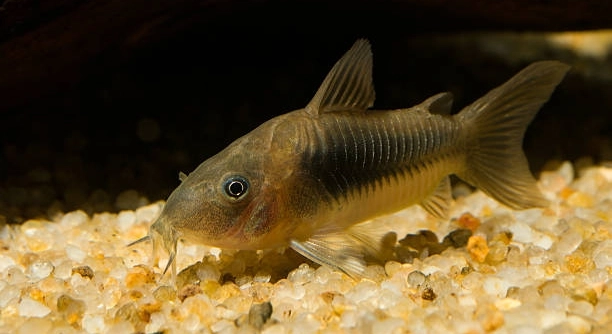
Corydoras catfish are popular aquarium fish known for their peaceful nature and unique behavior. If you’re wondering whether your catfish likes the substrate, there are several ways to observe their actions and determine their preferences.
Corydoras catfish tend to favor substrates that are soft, smooth, and easy to sift through. They actively dig and explore the bottom of the tank, using their barbels to search for food. A happy catfish will show consistent interest in the substrate.
Understanding their substrate preferences helps in creating a more comfortable and stimulating environment. By observing their behavior, you can ensure their habitat supports their natural instincts.
How Corydoras Catfish Interact with Substrate
Corydoras catfish are known for their constant interaction with the substrate. They use their barbels to dig, sift, and explore, searching for food. The substrate serves as a sensory tool for them to identify small particles. A tank with a fine, soft substrate such as sand will encourage this behavior, as it mimics their natural habitat in the wild. They thrive in environments where they can comfortably burrow, making it crucial to maintain a substrate that supports their instinctive actions.
Providing a substrate that suits their needs can reduce stress and enhance their well-being. Their ability to sift through the sand helps keep the aquarium clean by removing organic waste and uneaten food. This behavior also plays a role in their social structure, as they engage in similar activities with other catfish in the tank.
Setting up a tank with the right substrate can improve the overall health of your catfish. Observing their interactions with the substrate can be an excellent way to ensure they are comfortable. Proper substrate care will lead to a more active and satisfied Corydoras catfish population.
Substrate Preferences and Their Impact
Not all substrates are equal when it comes to Corydoras catfish. They prefer sand over gravel because sand allows them to root around without damaging their sensitive barbels. Fine, smooth sand mimics their natural environment, where they sift through particles in search of food. Gravel can sometimes harm their barbels, leading to discomfort or injury. Choosing the right substrate is crucial for their happiness and health.
When selecting substrate, it’s important to avoid sharp or rough materials that can cause physical harm to your catfish. Fine sand, especially with rounded grains, is the most suitable choice. Not only does it allow for natural digging, but it also keeps the tank clean. Additionally, fine sand provides a suitable surface for beneficial bacteria, which help maintain water quality.
Observing the behavior of your Corydoras catfish will help determine if they are content with the substrate. They should be actively exploring and foraging rather than avoiding the bottom of the tank. If you notice they’re not interacting with the substrate as expected, consider adjusting it to a softer, more natural option.
Signs That Your Corydoras Catfish Likes the Substrate
If your Corydoras catfish seems to enjoy the substrate, you will notice a few distinct behaviors. They will actively dig and explore the bottom of the tank, especially in areas where they feel safe and comfortable. Their barbels will move with purpose, often stirring the substrate in search of food.
The more they interact with the substrate, the more likely they are comfortable with it. When they continuously dig or sift through the sand, it indicates that the surface is providing a natural environment for them to thrive. On the other hand, if they avoid or show no interest in the bottom, it may suggest discomfort.
Their behavior is a clear indicator of how well the substrate suits their needs. A happy Corydoras will use the substrate in the same way they would in the wild. You can easily observe them engaging in these actions consistently throughout the day. A lack of this behavior may signal that changes are needed in the tank environment.
How to Choose the Right Substrate
Choosing the right substrate is key to keeping Corydoras catfish happy. Sand is the ideal choice because it is soft and fine, allowing them to sift through it without harm. Avoid sharp-edged gravel, as it can damage their delicate barbels. Smooth sand offers a much safer environment for them to explore.
The size of the grains matters as well. Too large a grain can be difficult for them to sift through, while sand that is too fine may lead to compacting. A medium-grain sand substrate often strikes the right balance for Corydoras, allowing for optimal sifting. Additionally, it provides a suitable surface for beneficial bacteria to thrive, which helps maintain the tank’s water quality.
When setting up your aquarium, ensure that the substrate is deep enough for the fish to dig and root around. A shallow substrate will restrict their natural behavior. Aim for a substrate depth of at least two inches to allow the catfish ample space to explore and forage.
How Substrate Affects Their Feeding Behavior
Corydoras catfish are bottom feeders, and the substrate plays a key role in their feeding behavior. A suitable substrate allows them to forage naturally by sifting through the sand for food particles. This behavior mimics what they would do in the wild.
When the substrate is right, they become more active in their search for food. They’ll often be seen rooting around the sand, using their barbels to detect tiny food particles. If they’re not interacting with the substrate, it could be a sign that the texture or type of substrate isn’t to their liking.
If the substrate is too rough, it may hurt their barbels and cause them to stop foraging. On the other hand, soft, smooth sand encourages them to continue sifting for food, which is part of their natural behavior. This type of substrate will keep them more active, improving their overall health.
The Importance of Tank Maintenance
Regular maintenance of the tank substrate is crucial for Corydoras catfish. A build-up of organic matter, like uneaten food and fish waste, can cause water quality issues and harm the catfish. Periodic cleaning helps maintain a healthy environment.
Vacuuming the substrate during water changes is one way to remove debris and prevent the substrate from becoming compacted. Keeping the substrate clean also prevents harmful bacteria from thriving, which can lead to health problems for the catfish. The cleaner the substrate, the more comfortable the fish will be.
A well-maintained substrate also promotes proper filtration, as it allows the water to flow through easily. This keeps the tank’s ecosystem in balance, reducing the risk of water quality issues. Regular maintenance ensures your Corydoras catfish remain healthy and active.
Effects of Substrate on Tankmates
The type of substrate in the tank can also affect other fish species in the aquarium. For example, if the substrate is too sharp, it can injure fish that tend to swim closer to the bottom, such as other catfish or shrimp. Choosing the right substrate ensures that all tank inhabitants thrive.
Substrate plays a role in the overall comfort of all species in the tank. A rough substrate might stress out fish that are not adapted to it. If you have other bottom-dwelling species, it’s important to choose a soft and safe substrate that suits everyone.
FAQ
How often should I clean the substrate in my Corydoras catfish tank?
Cleaning the substrate is essential for maintaining good water quality. It’s recommended to clean the substrate during every water change, which is typically every two weeks. During this time, you can use a siphon vacuum to remove uneaten food, debris, and fish waste. Be careful not to disturb the substrate too much, as this can disrupt the tank’s ecosystem. If your Corydoras catfish are very active and stir up the sand often, you may need to clean the substrate more frequently to prevent organic buildup.
Can I use gravel instead of sand for my Corydoras catfish tank?
While Corydoras catfish are capable of living in tanks with gravel, it’s not the best substrate choice for them. Gravel can cause damage to their sensitive barbels as they sift through it looking for food. Additionally, gravel doesn’t allow for the same natural foraging behavior as sand does. Sand, particularly fine, smooth sand, is a much safer and more natural environment for these fish. If you already have gravel, consider switching to sand for the well-being of your Corydoras catfish.
Is it okay to mix sand with other substrates in the tank?
Mixing substrates can work, but it’s important to consider the needs of your Corydoras catfish. They prefer fine sand for sifting, so if you decide to mix sand with other substrates, make sure there are areas with only sand. You can create specific zones for sand while using larger substrates like gravel or pebbles in other parts of the tank. However, avoid using substrates that are too large or rough, as they could harm the catfish’s barbels.
Can Corydoras catfish live in tanks with bare bottoms?
Corydoras catfish can survive in tanks with bare bottoms, but this is not ideal for their health and well-being. A bare-bottom tank does not allow for their natural foraging and digging behavior, which is crucial for their mental and physical health. Additionally, a bare-bottom tank can cause uneaten food to accumulate and affect water quality. It’s always better to provide a soft, fine substrate like sand, which allows Corydoras to engage in their natural behaviors and promotes a healthier environment.
How deep should the substrate be for Corydoras catfish?
The substrate in a Corydoras catfish tank should be deep enough to allow the fish to dig and sift through it naturally. A depth of at least two inches is recommended. This provides them with enough space to engage in their natural digging and foraging behaviors. Deeper substrate areas allow for more activity, but be cautious not to go too deep, as this could lead to compaction, which prevents the proper flow of water and can cause water quality issues.
Do Corydoras catfish like to burrow in the substrate?
Yes, Corydoras catfish enjoy burrowing in the substrate. They use their barbels to sift through sand or soft substrate in search of food. This behavior is typical of their natural habitat, where they dig into the substrate to uncover small invertebrates, plants, and detritus. Providing a substrate that allows for burrowing, like fine sand, will help your Corydoras catfish feel more at home and less stressed. The ability to dig is a vital part of their routine, and they will do it consistently if the environment allows it.
Can I add live plants to the tank with Corydoras catfish?
Yes, live plants can be a great addition to a Corydoras catfish tank. Plants provide hiding spots and help improve water quality by absorbing excess nutrients. However, it’s important to choose plants that are compatible with the type of substrate you have. For example, plants that need to be rooted in the substrate will do best in a soft, fine sand, as it allows their roots to anchor properly. Be mindful of the plants’ growth habits to ensure they do not interfere with the catfish’s digging behavior.
Are there any types of sand I should avoid for Corydoras catfish tanks?
While fine sand is ideal for Corydoras catfish, there are some types you should avoid. Avoid using sand that has sharp or rough edges, as this can damage your catfish’s barbels. Also, stay away from sand that has been treated with chemicals or that is too fine, as it may compact easily and cause water quality issues. Make sure to choose aquarium-safe sand that is smooth, natural, and free from harmful additives. Silica sand is a good choice for its smooth texture and safe properties.
Can I use aquarium-safe play sand for my Corydoras catfish tank?
Yes, aquarium-safe play sand can be a suitable option for your Corydoras catfish tank. Make sure the sand is free from chemicals, dyes, and other harmful substances. Many types of play sand are made of silica, which is safe for aquatic life. Rinse the sand thoroughly before adding it to the tank to remove any dust or debris that could cloud the water. It’s important to use sand with a fine, smooth texture to ensure the safety and comfort of your Corydoras catfish.
How can I tell if my Corydoras catfish is stressed by the substrate?
If your Corydoras catfish is stressed by the substrate, you may notice certain behaviors, such as avoiding the bottom of the tank, refusing to dig or forage, or appearing lethargic. Stress can also cause changes in their coloring, such as fading or darker hues. If the fish stop interacting with the substrate altogether, it may indicate that the substrate is uncomfortable or harmful to them. In this case, switching to a softer, more natural substrate like fine sand may help reduce their stress levels.
Final Thoughts
Corydoras catfish are fascinating creatures, and providing them with the right substrate is essential for their well-being. The right environment allows them to display natural behaviors, such as foraging and burrowing. Soft, fine sand is the best choice, as it mimics their natural habitat and helps keep them active and healthy. A substrate that is too rough or hard can cause injury to their sensitive barbels, affecting their feeding and overall health. Choosing the correct substrate is one of the most important steps you can take to ensure your Corydoras thrive in your aquarium.
Maintaining the substrate in your tank is equally important. Regular cleaning helps remove waste and uneaten food, which could affect water quality and lead to health issues for your fish. A clean substrate also promotes a healthier environment by preventing harmful bacteria buildup. Be sure to vacuum the sand or substrate during water changes and avoid disturbing it too much, as this can disrupt the tank’s ecosystem. By staying on top of maintenance, you can provide a safe and comfortable space for your Corydoras catfish, ensuring they stay active and stress-free.
In conclusion, Corydoras catfish are bottom-dwellers that need a suitable substrate to thrive. Providing them with a fine, smooth sand substrate encourages natural behaviors and promotes better health. Regular tank maintenance and cleaning are also necessary for keeping the environment safe and clean. By following these guidelines, you can create a habitat that supports the well-being of your Corydoras catfish and allows them to live their best life in your aquarium.

Hello,
If you enjoy the content that we create, please consider saying a "Thank You!" by leaving a tip.
Every little bit helps us continue crafting quality advice that supports the health, happiness, and well-being of pets around the world, for pets of all shapes, sizes, and species.
We really appreciate the kindness and support that you show us!