
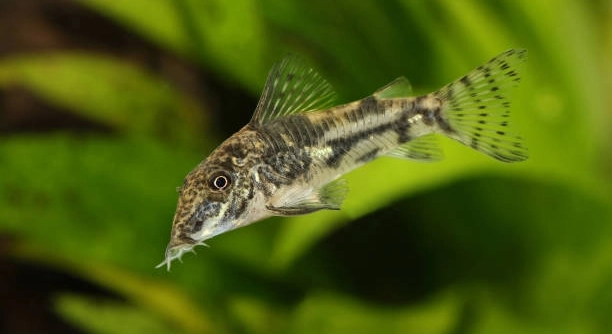
Do you ever find yourself watching your Corydoras catfish and wondering why they avoid the water surface, even during feeding time? These small bottom-dwellers often behave in ways that leave owners puzzled and concerned.
The most common reason your Corydoras avoid the water surface is poor water quality, particularly low oxygen levels or high toxin concentrations near the top. Their behavior is a survival response to seek safer, more oxygen-rich zones.
Understanding these behaviors can help you create a healthier tank environment and ensure your Corydoras feel safe and comfortable in every part of their home.
Poor Water Quality
When your Corydoras avoid the surface, poor water conditions are often to blame. These fish are sensitive to changes in their environment, especially toxins like ammonia, nitrites, and nitrates. Surface water can sometimes carry higher concentrations of these due to poor filtration or lack of surface movement. When oxygen is low and toxins are high, your fish will naturally stay near the bottom, where they feel more stable and safe. Regular water testing is essential to maintain healthy parameters. Clean your tank routinely, check your filter, and make sure water circulation reaches all levels of the tank.
Poor surface conditions make your fish feel unsafe. Even if they’re hungry, they’ll avoid going up if it means entering a stressful or harmful area.
A functioning air stone or sponge filter can help by improving surface movement and oxygen exchange. Your goal is to keep the entire tank healthy, not just the bottom where Corydoras hang out most. Watch for changes in their behavior, like rapid gill movement or lethargy, as these can also signal water issues. A few small changes to how you clean or filter the tank can go a long way in keeping your fish relaxed and confident enough to explore all levels of the water.
Strong Surface Currents
Strong water movement near the top of the tank can discourage Corydoras from swimming up. They prefer calm, stable conditions.
If your filter output or air stone is creating strong surface agitation, your Corydoras may avoid the upper area altogether. While movement is good for oxygen exchange, too much current makes it hard for these fish to stay steady or breathe easily. They are not strong swimmers like other species and prefer calmer zones. Adjusting the angle or flow rate of your filter can make a difference. You might also consider adding decorations or plants that break up the current, giving them pockets of still water. Once the surface becomes less chaotic, you may notice them venturing up more often, especially during feeding times. A gentle flow is all they need to feel comfortable exploring their entire habitat.
Stress from Tank Mates
Aggressive or overly active tank mates can make Corydoras feel unsafe near the surface. They will stay lower in the tank to avoid confrontation or sudden movement from faster fish.
Corydoras are peaceful and shy. If they’re housed with fish that nip fins, chase, or take over the upper levels, they’ll naturally keep to the bottom where they can rest and feel secure. Fast swimmers can dominate feeding times, creating stress and competition. Even subtle signs like darting away during feeding or hiding more often are signs they aren’t fully comfortable. To help, consider separating aggressive species or rearranging the tank layout to add more cover and visual barriers. This gives your Corydoras room to relax without always being on alert.
Choosing compatible tank mates is key. Small, calm fish like rasboras, tetras, or guppies often work well. Avoid large or territorial species. Always watch how new fish affect the behavior of your Corydoras. Even one aggressive fish can change how the whole group behaves. It’s also helpful to feed at different areas of the tank or use sinking pellets to reduce competition. Giving them a peaceful space helps them feel safe enough to swim freely—even near the surface.
Temperature Discomfort
When the water temperature is too high, Corydoras tend to stay at the bottom where it’s slightly cooler. High temperatures lower oxygen levels, which makes the surface even less appealing.
Corydoras thrive best in water between 72°F and 78°F. If your tank consistently runs hot, especially during summer or if it’s placed near a heat source, the surface becomes uncomfortable. The heat rises, and oxygen drops, which adds stress. As bottom dwellers, they instinctively stay where they feel more stable. You might not notice a big change at first, but over time, high temperatures affect their energy levels, appetite, and immune system. Use a reliable thermometer and make sure your heater isn’t malfunctioning.
Adding a small fan above the tank or leaving the lid slightly ajar can reduce heat buildup. You can also do partial water changes with slightly cooler water to help balance things out. If your home is naturally warm, avoid direct sunlight and consider insulating the tank’s sides. Stable, moderate temperatures help your Corydoras feel safe, and they’ll be more likely to explore higher parts of the tank when they don’t associate the surface with discomfort.
Bright Lighting
Corydoras tend to avoid brightly lit areas, especially near the surface. They feel safer in dim or shaded parts of the tank, where they can move without stress.
If your tank has intense lighting or lacks hiding spots, your fish may stay at the bottom to avoid harsh brightness.
Feeding Habits
Corydoras are bottom feeders and naturally search for food on the substrate. If you only feed floating flakes or pellets, they won’t go to the surface. They might not even recognize surface food as something they should eat. To keep them healthy and engaged, offer sinking pellets, wafers, or live foods that fall to the bottom. This matches their natural feeding behavior and encourages them to stay active. It also prevents them from needing to compete with faster, surface-feeding fish. When they’re confident that food is available at their level, they won’t feel the need to move up, especially in a tank that already has other stressors.
Lack of Hiding Spots
Without enough places to hide, Corydoras will avoid open areas—including the surface. Plants, driftwood, and caves help them feel secure enough to explore more freely.
FAQ
Why do my Corydoras stay at the bottom of the tank?
Corydoras are naturally bottom-dwelling fish, so it’s normal for them to spend most of their time near the substrate. They feel safest there, as it provides cover and allows them to search for food. If they’re staying at the bottom more than usual, check for water quality issues, stress from tank mates, or unsuitable temperature. Poor water conditions or high current might make them avoid the surface, as they will stay in areas where they feel more secure.
How can I encourage my Corydoras to swim up more often?
To help your Corydoras feel comfortable exploring higher levels of the tank, make sure the water quality is optimal and the temperature is stable. Reduce stress from aggressive tank mates and keep lighting moderate, as bright lights often discourage them from swimming near the surface. Providing sinking food will also help since they are bottom feeders. If the tank has enough plants and hiding spots, they may feel more secure and venture upward during feeding or when they are comfortable.
What are the signs that my Corydoras are stressed?
If your Corydoras are stressed, you might notice changes in their behavior, such as hiding more often, swimming erratically, or becoming more lethargic. They might also show rapid gill movements, which can indicate a lack of oxygen. You may see a loss of appetite, or they may avoid certain areas of the tank. Stress can be caused by poor water conditions, incompatible tank mates, or sudden changes in their environment, so it’s important to monitor their behavior and make adjustments to the tank setup if needed.
Is it normal for Corydoras to ignore surface food?
Yes, Corydoras are bottom feeders by nature, so they typically prefer food that sinks to the bottom. If you only feed floating food, they may not be interested in it. To ensure they are eating properly, offer sinking pellets, wafers, or live food that drops to the substrate. They are more likely to engage with food at the bottom, where they naturally search for food.
Can Corydoras live in tanks with strong water currents?
Corydoras prefer calm water conditions and will often avoid strong currents. In tanks with powerful filtration or high water flow, they may stay near the bottom where the current is less intense. If you notice your Corydoras avoiding the surface, it could be because the current is too strong for them to swim comfortably. To make the environment more suitable, consider adjusting the filter flow or adding obstacles like plants or rocks to break up the current.
What temperature should my Corydoras tank be?
Corydoras do best in water temperatures between 72°F and 78°F (22°C to 25.5°C). If the water gets too hot, especially above 80°F (27°C), they may feel stressed and seek cooler areas at the bottom of the tank. Hot water also lowers oxygen levels, making it harder for them to breathe, which can cause them to stay away from the surface. Keep the tank at a consistent temperature and use a thermometer to monitor it closely.
Can Corydoras tolerate tankmates that are too aggressive?
Corydoras are peaceful fish and do not tolerate aggression well. If they are in a tank with aggressive or fast-moving fish, they may become stressed and avoid the surface. These fish may be frightened by the behavior of their tankmates, or they could be competing for food. It’s important to choose tankmates that are calm and non-territorial to ensure your Corydoras feel safe. Species like tetras, rasboras, and small peaceful catfish usually make good companions.
Why is my Corydoras not swimming much?
If your Corydoras isn’t swimming much, there could be several reasons. It may be due to poor water quality, temperature issues, or stress from aggressive tank mates. Another possibility is that they are simply not feeling well, especially if they are showing other signs of illness, such as loss of appetite or unusual swimming patterns. Check the water parameters for ammonia, nitrites, and nitrates. If the tank conditions are ideal and the fish are still not active, consider consulting a vet or aquarium expert.
What do I do if my Corydoras is constantly hiding?
Constant hiding can be a sign that your Corydoras is stressed, unwell, or uncomfortable with its environment. Check the water quality, as poor conditions can cause them to retreat to their hiding spots. It’s also helpful to ensure they have enough cover, such as plants, caves, or rocks, so they don’t feel exposed. If the hiding is persistent, try observing the tank to see if aggressive tank mates are causing the stress, or if the lighting is too harsh for them to feel safe.
Can Corydoras tolerate different water conditions?
Corydoras are adaptable to different water conditions, but they do have preferences. They thrive in soft, slightly acidic to neutral water with a pH between 6.0 and 7.5. If the water is too hard or alkaline, they may not do as well. Regular water changes and proper filtration can help maintain stable water conditions. Avoid sudden changes in the tank’s pH or hardness, as these can cause stress or illness in Corydoras. Always monitor the water quality to keep them healthy.
What kind of food should I feed my Corydoras?
Corydoras are omnivorous bottom feeders and thrive on a varied diet. Provide sinking pellets or wafers, which are formulated to meet their nutritional needs. Supplement their diet with live or frozen foods like bloodworms, brine shrimp, or daphnia. You can also offer occasional vegetable matter, like blanched zucchini or spinach. A varied diet ensures they get the nutrients they need to stay healthy. Avoid overfeeding, as leftover food can quickly pollute the tank.
Final Thoughts
Understanding why your Corydoras catfish avoid the water surface can help you create a better environment for them. These fish are naturally bottom dwellers, and their behavior is often influenced by their surroundings. They prefer calm waters, good oxygen levels, and hiding spots where they feel safe. If they’re consistently staying at the bottom, it may be due to poor water quality, high current, aggressive tank mates, or unsuitable temperatures. It’s essential to monitor water parameters regularly and make any necessary adjustments to keep your fish comfortable.
A balanced tank setup plays a significant role in helping your Corydoras feel secure and encouraging them to explore more of the tank. By providing adequate filtration, proper water temperature, and compatible tank mates, you can create a peaceful environment where they will feel confident swimming near the surface when the time is right. Offering sinking foods that match their natural feeding behavior is also helpful. Keeping stress to a minimum is key for these shy fish, as they are easily frightened by rapid changes in their environment.
Paying attention to the needs of your Corydoras will not only improve their quality of life but also make it easier for you to care for them. While it’s normal for them to spend most of their time at the bottom, understanding why they avoid the surface can help you create a tank setup that supports their natural behavior. With the right care and environment, your Corydoras can live a long, healthy life in your aquarium, exploring every level of the tank with confidence and comfort.

Hello,
If you enjoy the content that we create, please consider saying a "Thank You!" by leaving a tip.
Every little bit helps us continue crafting quality advice that supports the health, happiness, and well-being of pets around the world, for pets of all shapes, sizes, and species.
We really appreciate the kindness and support that you show us!