
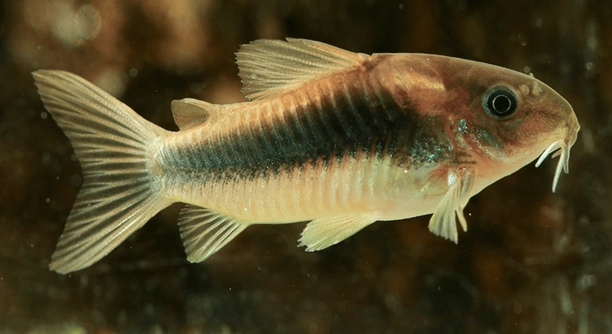
Is your Corydoras catfish acting shy or distant around its new tank mates, even though the environment seems just right?
Corydoras catfish often ignore new tank mates due to stress, unfamiliarity, or differences in behavior and activity levels. These fish are naturally cautious, and environmental changes or incompatible companions can make them retreat or act indifferent.
Understanding the reasons behind this behavior can help you create a more comfortable and balanced tank environment for all your aquatic pets.
1. Stress From a New Environment
When Corydoras are moved into a new tank or experience any changes, they can become easily stressed. These fish are sensitive to sudden shifts in their surroundings. Even if they are not the ones being moved, the addition of new tank mates can disturb their usual routine. They might hide more, stop foraging, or ignore other fish entirely. Noise, water flow, or different lighting setups can also add to their discomfort. It’s common for them to withdraw as a way of protecting themselves. This doesn’t always mean something is wrong, but it does show they need time to adapt. Keep the environment calm, avoid sudden changes, and make sure they have places to retreat and rest. A quiet, steady setting helps them feel more secure and open up over time. If your Corydoras seem distant, stress might be playing a larger role than you realize.
Some Corydoras need more time than others to settle in. Let them adjust without too much interference.
Once they feel safe, they’ll begin exploring again and show more interest in their surroundings, including new tank mates. You can encourage this by providing consistent care, regular tank maintenance, and offering a familiar feeding schedule to ease them into new social dynamics.
2. Differences in Activity Levels
Corydoras are gentle bottom-dwellers and can get overwhelmed by fast-moving or overly active tank mates.
New fish that dart around or swim aggressively may make Corydoras feel nervous or unsafe. These catfish prefer calm company and often stick to their routine near the tank floor. When surrounded by active swimmers, they may choose to stay hidden or avoid interaction entirely. This isn’t unusual—it’s just how they cope. Over time, if the other fish remain peaceful and don’t invade their space, Corydoras may slowly start to come out and mingle. But if the energy mismatch is too big, your catfish might remain withdrawn long-term. It’s best to pair Corydoras with species that have a relaxed or similar activity level. Tetras, rasboras, or peaceful gouramis often make better companions. When all the fish have matching energy, the tank stays peaceful, and your Corydoras will be more comfortable showing their usual curious behavior without feeling overwhelmed or ignored.
3. Incompatible Temperaments
Some fish just don’t get along well, even if they’re not aggressive. Corydoras are peaceful and avoid conflict, so if their new tank mates are territorial or too curious, they might stay away.
Corydoras prefer to live in quiet groups and don’t like being chased or crowded. If the new fish constantly follow them, poke around too much, or take over hiding spots, the Corydoras will likely keep their distance. This behavior helps them avoid stress or injury. Even if there’s no physical aggression, the tension can still be enough to change their habits. Corydoras might hide more, reduce activity, or seem uninterested in tank mates. Choosing tank mates with calm personalities is important. When everyone gets along, the tank becomes a peaceful place where the Corydoras feel safe enough to interact and move freely without feeling like they have to stay on alert all the time.
It’s helpful to watch how the new fish behave, especially during feeding or when exploring the tank. If they’re constantly crowding or chasing, the Corydoras won’t want to engage. You can rearrange tank décor to create extra hiding places or divide territories. This reduces unwanted interactions and gives your Corydoras the space they need to feel relaxed and comfortable around their companions again.
4. Lack of Familiar Corydoras Group
Corydoras are schooling fish, and being in a small group or alone can affect their behavior. Without others of their kind nearby, they can become withdrawn and quiet.
Even if other peaceful fish are present, Corydoras often feel more secure when surrounded by their own species. A group of at least six helps them display natural behaviors and stay active. When kept alone or with just one or two, they may not feel confident enough to explore, let alone engage with unfamiliar tank mates. Instead, they’ll stick to hiding, avoid open areas, and generally keep to themselves. Adding more Corydoras usually changes this. Once they have a proper group, their behavior often improves. They feel safer, more curious, and willing to interact with others. It’s not just about the number of fish—it’s about creating the right social setting that matches their instincts and makes them feel at home.
5. Recent Changes in Water Parameters
Corydoras are sensitive to changes in water conditions. Even slight shifts in pH, ammonia, or temperature can affect how they behave. If the water feels off to them, they may become inactive or avoid other fish completely.
These fish thrive in clean, stable water. A sudden increase in nitrates or a drop in oxygen levels can make them uncomfortable. If you’ve added new fish recently, they could have introduced waste or altered the balance. Regular testing and partial water changes help keep the environment stable and healthy. When the water quality improves, Corydoras usually become more social again.
6. Illness or Physical Discomfort
Sometimes, Corydoras avoid new tank mates because they’re not feeling well. Illness, injury, or parasites can make them tired or less social. Watch for signs like clamped fins, rapid breathing, or changes in appetite. If anything looks unusual, it’s best to isolate them and observe closely.
7. Feeding Disruptions
Corydoras are bottom feeders, so they rely on food reaching the substrate. When new fish are faster or more aggressive eaters, the Corydoras might not get enough. They may stop interacting and focus only on finding food. Using sinking pellets and feeding at different spots can help balance things.
FAQ
Can Corydoras live peacefully with all community fish?
Not always. While Corydoras are peaceful, not all community fish are good matches. They do best with calm, non-aggressive species that don’t invade their space. Fish that are too active, territorial, or nippy can stress them out, causing them to withdraw or hide. Always research the behavior and temperament of potential tank mates before introducing them.
Why is my Corydoras hiding all the time?
Constant hiding is usually a sign of stress, poor water quality, or uncomfortable social settings. It could also be that the tank mates are too active, loud, or aggressive. Corydoras need hiding spots, but if they never come out, something is wrong. Check water parameters, tank layout, and the behavior of other fish to find the source.
Do Corydoras need to be in a group to be happy?
Yes. Corydoras are schooling fish, and being alone or in small numbers can make them feel unsafe. A group of six or more allows them to behave naturally and feel more secure. When kept alone, they may hide more, eat less, and avoid tank mates, even if the tank seems peaceful otherwise.
Can adding new fish cause stress to Corydoras?
Yes, adding new fish—especially fast or aggressive ones—can stress Corydoras. They notice changes in movement, behavior, and even chemical signals in the water. Even if there’s no direct conflict, the disruption can be enough to make them act withdrawn. It’s best to introduce new fish slowly and watch how your Corydoras react.
Why are my Corydoras not interested in the new fish?
Sometimes they just need time. Corydoras are shy by nature and may not react much to new fish right away. If the new tank mates are calm and peaceful, your Corydoras may warm up over a few days or weeks. But if there’s constant activity or stress, they may keep their distance.
What’s the best way to help Corydoras adjust to new tank mates?
Start with a calm environment and make sure there are plenty of hiding spots. Keep the water clean and stable. Feed them at regular times with food that sinks to the bottom. Watch interactions and make changes if needed. Give them time—they tend to adjust slowly but surely when conditions are right.
Could illness cause them to avoid other fish?
Definitely. When Corydoras are sick, they become less social. Illness can cause them to slow down, stop eating, or act irritable. They may isolate themselves or stay hidden. Look for changes like pale color, rapid gill movement, or unusual swimming patterns. If you’re unsure, it’s safer to isolate and monitor them.
What if the new fish are just too active?
That’s a common issue. Fast swimmers can stress out Corydoras, especially if they constantly dart around the tank or steal food before it reaches the bottom. Try to balance the tank with slower-moving species. You can also change the layout to give your Corydoras safe areas away from the commotion.
How can I tell if my Corydoras are scared or just resting?
If they’re lying still but breathing normally and not hiding, they’re likely resting. But if they’re hiding constantly, breathing quickly, or flinching when others swim by, they might be scared. A calm, confident Corydoras will explore the tank slowly and interact with others of its kind when it feels safe.
Should I rearrange the tank when adding new fish?
Sometimes, yes. Rearranging decorations and plants helps break up existing territories and reduces aggression. It also gives Corydoras new hiding places and areas to explore. This can make the introduction of new fish smoother and help everyone settle in with less stress or competition over space.
Final Thoughts
Corydoras catfish are gentle and peaceful, but they can act differently when their environment changes. If they’re ignoring new tank mates, it doesn’t always mean there’s a serious problem. Often, they just need time, space, and a calm setting to feel secure again. These small fish are sensitive to things like stress, tank layout, water quality, and social balance. Watching their behavior closely can give you clues about what’s going on. It’s important to make small adjustments one step at a time and allow them the chance to respond. Sudden changes usually do more harm than good. When the environment feels right to them, they often return to normal.
Adding the right number of Corydoras and choosing compatible tank mates can make a big difference. They enjoy being around their own kind, and a proper group helps them stay active, curious, and more comfortable in the tank. If their new companions are too fast, too aggressive, or take up too much space, it can cause the Corydoras to retreat or behave differently. Keep an eye on feeding habits too—make sure they get enough food that reaches the bottom of the tank. Having peaceful tank mates, stable water, and plenty of hiding spots gives them the confidence to come out and interact more often.
Taking care of Corydoras is mostly about patience and observation. These fish aren’t demanding, but they do need a calm and steady setup to thrive. If they seem withdrawn, it’s worth checking each part of their environment—social structure, water conditions, and tank dynamics. With small, thoughtful changes, you can usually bring their behavior back to normal. Every fish behaves a little differently, so it helps to give them time to adjust at their own pace. A peaceful tank leads to peaceful fish, and once your Corydoras feel safe again, they’ll go back to being the active, peaceful bottom-dwellers they’re known to be.

Hello,
If you enjoy the content that we create, please consider saying a "Thank You!" by leaving a tip.
Every little bit helps us continue crafting quality advice that supports the health, happiness, and well-being of pets around the world, for pets of all shapes, sizes, and species.
We really appreciate the kindness and support that you show us!