
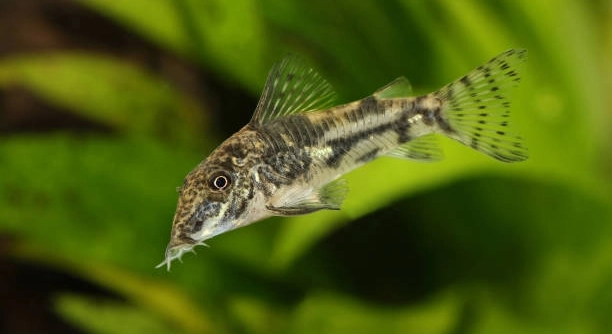
Corydoras catfish are popular aquarium fish known for their gentle nature and ease of care. However, adjusting to a new environment can be stressful for them. Proper care and attention can ensure they thrive in their new home.
To help your Corydoras catfish adapt to a new environment, focus on water conditions, tankmates, and food quality. Providing a stable environment with clean water, appropriate temperature, and minimal stress from other fish will support their well-being.
Proper care will lead to a healthy, happy Corydoras. Ensuring the right conditions will make a significant difference in their transition.
Understanding the Importance of Water Quality
Water quality is one of the most important factors for your Corydoras catfish’s well-being. They are highly sensitive to changes in water parameters, so maintaining stable conditions is crucial. Regular water changes, proper filtration, and monitoring the pH, ammonia, nitrite, and nitrate levels are essential. Corydoras thrive in slightly acidic to neutral water with temperatures ranging from 72°F to 78°F. A consistent environment ensures your catfish are not stressed, which promotes better health and longevity.
One of the best ways to maintain good water quality is by using a reliable filtration system and conducting weekly water changes. This reduces harmful chemicals and keeps harmful bacteria at bay.
If you’re using a filter, ensure it is gentle enough to avoid stressing your Corydoras. They prefer calm waters, so using a filter with adjustable flow rates is a good idea. The use of live plants can also help maintain water quality by absorbing excess nutrients and providing hiding places for your fish.
Choosing the Right Tankmates
Corydoras are peaceful fish that enjoy the company of other gentle species. Choosing the right tankmates is vital to prevent unnecessary stress. Avoid aggressive or territorial fish that might harm your Corydoras.
Tankmates like small tetras, guppies, or peaceful shrimp work well. These species create a calm environment that allows your Corydoras to thrive without feeling threatened. Mixing them with fish that have similar needs, like temperature and water parameters, is ideal for a balanced tank.
When choosing tankmates, consider the size of the fish as well. Smaller fish or those with peaceful temperaments make the best companions. Avoid large fish that may accidentally harm or intimidate your Corydoras. A peaceful, well-balanced tank creates the right atmosphere for your catfish to feel secure and healthy.
Providing Proper Nutrition
A balanced diet is key to keeping your Corydoras healthy. Offering a variety of foods such as high-quality pellets, frozen or live foods, and occasional vegetables ensures they get all the nutrients they need.
While Corydoras primarily feed on bottom-dwelling foods like sinking pellets, it’s important to offer variety. You can provide them with live or frozen foods like bloodworms, brine shrimp, or daphnia. Adding occasional blanched vegetables, such as zucchini or spinach, will also provide essential vitamins. Make sure to remove any uneaten food to prevent water contamination.
Feeding your Corydoras the right foods will improve their overall health and immune system. Make sure to feed them small amounts throughout the day, as they tend to graze on food rather than eat large portions at once. This prevents overfeeding and keeps their water quality stable.
Creating Hiding Spaces
Corydoras appreciate having hiding spots in their environment. Providing caves, plants, or other hiding places will make them feel more secure.
Hiding spaces help Corydoras reduce stress and provide a place to retreat when they feel threatened. Using smooth rocks, driftwood, or aquarium-safe decorations can create these spaces. You can also add live plants that offer cover and natural hiding places. Ensure the hiding spots are large enough for your fish to comfortably fit inside.
If your tank is shared with other fish, hiding spaces are especially important. Corydoras may prefer to stay hidden from more active or larger fish, and the presence of hiding spots can prevent any unnecessary stress. It also gives them a sense of security and helps them feel at ease in their new environment.
Maintaining a Stable Temperature
Corydoras catfish are sensitive to temperature fluctuations. Maintaining a consistent tank temperature within the range of 72°F to 78°F is crucial for their health.
To achieve a stable temperature, use a reliable aquarium heater and thermometer. This ensures the water stays within the optimal range, avoiding temperature stress.
Temperature fluctuations can weaken the fish’s immune system, making them more vulnerable to disease. Keeping the water temperature stable also supports their natural behaviors and helps them adjust more easily to their new environment.
Avoiding Aggressive Tankmates
Corydoras are peaceful fish and do not do well with aggressive species. It’s important to choose gentle tankmates that won’t stress them.
Aggressive fish may chase or nip at Corydoras, causing stress and potential injury. A peaceful environment allows your catfish to thrive without fear. Consider species that are calm and have similar environmental needs.
Choosing the right tankmates reduces stress for your Corydoras. Avoid fish that are territorial or overly active, as they can disturb the peaceful nature of your catfish. Keeping compatible species together promotes harmony in the tank.
Regular Water Testing
Regular water testing helps maintain the health of your Corydoras. Checking pH, ammonia, nitrite, and nitrate levels ensures the water is safe.
Testing the water once a week is ideal. High ammonia or nitrite levels can be toxic to Corydoras. Maintaining stable water parameters reduces the risk of illness and ensures their environment stays healthy.
FAQ
How often should I feed my Corydoras catfish?
Feed your Corydoras catfish once or twice a day. Offer small portions of food that they can consume within a few minutes. Avoid overfeeding, as leftover food can degrade water quality. A healthy diet of sinking pellets, occasional live or frozen foods, and some vegetables will keep them strong and healthy.
Can Corydoras live with other fish?
Yes, Corydoras are peaceful and can live with many other species. However, they do best with non-aggressive tankmates. Smaller, calmer fish like tetras, guppies, and peaceful shrimp are ideal companions. Avoid large or territorial species that may cause stress or harm to your Corydoras.
What temperature should I keep my Corydoras tank at?
Corydoras prefer temperatures between 72°F and 78°F. It’s important to keep the water temperature stable, as fluctuations can stress them out. A reliable heater and thermometer will help you maintain the correct range, ensuring a comfortable environment for your fish.
Do Corydoras need a filter?
Yes, Corydoras thrive in well-filtered water. A gentle filter helps keep the water clean by removing waste and excess nutrients. However, make sure the filter’s current isn’t too strong, as Corydoras prefer calm waters. A sponge filter is a good option for a peaceful environment.
How do I know if my Corydoras catfish is stressed?
Signs of stress in Corydoras include hiding more than usual, changes in eating habits, or unusual swimming behavior. They may also become more sensitive to water conditions. To reduce stress, ensure their environment is stable, with proper water parameters and compatible tankmates.
Can I keep Corydoras in a tank without a lid?
It’s better to have a tank with a lid. Corydoras are bottom-dwelling fish, but they may occasionally swim up to the surface for air. A lid prevents them from jumping out, especially if the tank water is too shallow or if they feel stressed.
How do I clean my Corydoras tank?
To clean the tank, perform regular water changes of about 25-30% once a week. Use a siphon to remove debris from the substrate, especially since Corydoras are bottom feeders. Avoid disturbing the tank too much, as they are sensitive to changes in their environment.
Do Corydoras need live plants in their tank?
While not a necessity, live plants are beneficial for Corydoras. They provide hiding spots and help improve water quality by absorbing excess nutrients. Plants also create a more natural, peaceful environment. Choose hardy plants like Java Fern or Anubias for ease of care.
What type of substrate is best for Corydoras catfish?
Corydoras prefer a soft substrate, such as fine sand or smooth gravel. Sharp or rough substrates can damage their delicate barbels. A soft substrate allows them to dig and forage comfortably, mimicking their natural habitat. Make sure it’s not too deep to prevent water stagnation.
How can I help my Corydoras adjust to a new tank?
When introducing Corydoras to a new tank, take your time with acclimation. Gradually adjust the water temperature and chemistry during the process. Provide hiding spots and low-light conditions to help them feel secure. Give them time to explore their new environment without feeling overwhelmed.
Can I keep Corydoras with bettas?
It’s not recommended to keep Corydoras with bettas. Bettas can be territorial and aggressive, especially towards bottom-dwelling fish like Corydoras. The betta may chase or nip at the Corydoras, causing stress. Stick to peaceful tankmates to ensure a stress-free environment.
How do I prevent overfeeding my Corydoras?
To avoid overfeeding, offer only what your Corydoras can consume in a few minutes. Sinking pellets are a great option, as they prevent food from floating on the surface. Remove any uneaten food after 5-10 minutes to maintain water quality and avoid excess waste buildup.
How do I care for baby Corydoras catfish?
Baby Corydoras, or fry, need extra care. Keep the water clean, with stable temperature and water parameters. Feed them finely crushed food, such as baby brine shrimp or powdered sinking pellets. Ensure the tank has enough hiding places to protect them from potential predators.
Can Corydoras catfish live in a tank with snails?
Yes, Corydoras and snails can coexist in the same tank. Snails help clean up uneaten food, and Corydoras won’t compete with them for food. However, avoid species of snails that may reproduce excessively, as they could overcrowd the tank. Choose snails that are slow-moving and non-aggressive.
Do Corydoras need to be in schools?
Corydoras are social fish and should be kept in groups of at least three or more. A small school provides them with comfort and reduces stress. They are more active and happier when kept with other Corydoras, as they naturally school in the wild.
What is the lifespan of Corydoras catfish?
Corydoras catfish can live for up to 5-7 years with proper care. Their lifespan is influenced by factors such as water quality, diet, and tank conditions. Providing them with a stable environment and a balanced diet can help them live a long and healthy life.
Final Thoughts
Corydoras catfish are resilient and peaceful creatures that thrive in a well-maintained aquarium. By keeping their environment stable, providing a suitable diet, and choosing the right tankmates, you can help your Corydoras adjust to their new home. These small fish are known for their playful and active behavior, making them a great addition to any tank. Whether you’re a beginner or an experienced aquarist, caring for Corydoras requires attention to their needs and environment. Their ability to adapt to various water conditions and peaceful nature makes them an ideal choice for community tanks.
Regular maintenance is key to keeping Corydoras healthy in a new environment. Ensuring the water is free of toxins, maintaining proper temperature levels, and performing routine water changes all contribute to the well-being of your fish. Pay close attention to their diet, as overfeeding or underfeeding can lead to health issues. Corydoras catfish are bottom dwellers, so a substrate that allows them to forage comfortably is important. Providing hiding spots and natural decorations will help them feel secure in their new environment, reducing stress and promoting natural behavior.
With the right care, Corydoras can live for several years, bringing joy to your aquarium with their unique personalities. While they are low-maintenance compared to some other species, their needs for a clean tank, proper temperature, and balanced diet should not be overlooked. Creating an environment that mimics their natural habitat will help them thrive. Take time to monitor the water quality and overall health of your Corydoras, and you’ll enjoy watching them grow and flourish in your tank for years to come.

Hello,
If you enjoy the content that we create, please consider saying a "Thank You!" by leaving a tip.
Every little bit helps us continue crafting quality advice that supports the health, happiness, and well-being of pets around the world, for pets of all shapes, sizes, and species.
We really appreciate the kindness and support that you show us!