
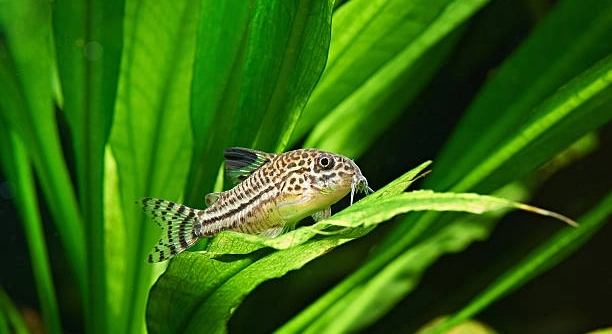
Introducing a new Corydoras catfish to your aquarium can be exciting, but it’s essential to monitor its adjustment period. Understanding how to recognize signs of stress can help ensure your fish thrives in its new environment.
Corydoras catfish may struggle to adjust due to factors like water conditions, tank mates, or sudden environmental changes. Common signs of stress include hiding, abnormal swimming behavior, and changes in eating habits. Identifying these clues early can help resolve issues quickly.
Addressing these concerns early on helps support your fish’s health and well-being, ensuring a smooth transition into its new home.
1. Stress from Poor Water Quality
When a Corydoras catfish is adjusting to its new environment, poor water quality is one of the most common stressors. These fish are sensitive to changes in water parameters, and improper conditions can cause them to become stressed or even ill. Corydoras thrive in clean, stable water, so it’s essential to maintain proper pH, hardness, and temperature levels. If the water is too dirty or imbalanced, your fish will likely hide, become lethargic, or exhibit other signs of stress.
Ensuring your aquarium has a good filtration system and performs regular water changes is crucial to keeping your Corydoras healthy. Test the water frequently to keep track of parameters.
When introducing new fish, acclimate them slowly to their new water environment. Sudden changes in water conditions, especially temperature or pH, can trigger a stress response. Gradually adjusting the water will help ease the transition and reduce the risk of harm.
2. Compatibility with Tankmates
Corydoras catfish are peaceful creatures that enjoy being in groups with similar species. However, compatibility with other tankmates is crucial for their comfort. If your Corydoras are housed with aggressive fish or species that outcompete them for food, stress levels can rise. This can cause them to hide more often or even become ill due to the lack of proper nutrition or interaction.
Observe your fish’s behavior around tankmates. If they’re frequently avoiding other fish, this might indicate they are not adjusting well to the environment. Additionally, aggressive fish that chase or nip at your Corydoras can cause considerable stress.
By choosing tankmates that are compatible with Corydoras, such as other peaceful bottom-dwellers or slow-moving fish, you’ll create a more harmonious environment. Always research the species you plan to house with Corydoras to ensure compatibility.
3. Overcrowding in the Tank
Overcrowding can significantly impact your Corydoras’ ability to adjust. Too many fish in one tank leads to competition for space, food, and oxygen. This creates a stressful environment that can prevent your Corydoras from feeling secure. Ensure your tank has enough space for all inhabitants to move freely.
It’s essential to consider the tank’s size and the number of fish in it. A crowded tank often results in poor water quality, which compounds stress. Corydoras need ample space to swim and hide when they feel threatened. When overcrowded, your fish may retreat into corners or hide more often.
The ideal tank for Corydoras is one that allows them to swim comfortably and interact with others. A well-balanced fish community promotes a healthy environment and reduces stress. Regular monitoring of your tank’s capacity and maintaining proper stocking levels is vital.
4. Fluctuations in Temperature
Temperature fluctuations can cause Corydoras to struggle with adjusting. These fish thrive in stable, warm environments, typically between 72 and 78°F. Rapid changes in temperature can result in stress and health issues. Ensure your aquarium heater is reliable and maintains a constant temperature.
Sudden temperature drops or spikes may cause Corydoras to become sluggish or lethargic. In extreme cases, it can lead to death. Using a thermometer to monitor water temperature regularly will help you spot issues early. Small, gradual changes are less stressful than sudden shifts.
Keeping the temperature steady will not only help your Corydoras adjust better, but it also helps prevent stress-induced diseases. If you’re unsure about temperature stability, invest in a good-quality heater with a built-in thermostat. This reduces the risk of temperature fluctuations and provides a more stable living environment for your fish.
5. Inadequate Hiding Spots
Corydoras catfish feel most secure when they have places to hide. Without adequate hiding spots, they become more vulnerable to stress. Providing hiding places, such as plants, caves, or rocks, helps your fish feel protected. Without this, they may stay in one spot, hiding from view.
Hiding spots also reduce aggression from other tankmates. Corydoras often prefer to rest in secluded areas where they can retreat when feeling threatened. Adding decorations that mimic their natural environment gives them a sense of security. This allows them to acclimate better to their new surroundings.
6. Feeding Issues
Feeding habits can indicate if your Corydoras is having a hard time adjusting. If your fish isn’t eating or takes a long time to approach food, it may be stressed. Stress can cause them to lose appetite or have difficulty finding food.
Ensure that your Corydoras is receiving proper nutrition. A varied diet, including sinking pellets, frozen foods, and live options, can help keep them healthy. Keep an eye on the food distribution, making sure no other fish are stealing their meals. Providing a balanced diet can support their adjustment and well-being.
7. Water Chemistry Imbalance
Corydoras are sensitive to changes in water chemistry. Fluctuations in pH or water hardness can cause them to feel stressed. Test the water regularly and maintain a consistent environment to help them settle in. Aim for stable water conditions that meet their specific needs.
FAQ
What are the common signs that my Corydoras is stressed?
Corydoras catfish may show various signs of stress, including hiding more than usual, unusual swimming patterns, or lack of appetite. They may also become more lethargic or swim erratically. If you notice your fish constantly staying in one spot or staying close to the bottom of the tank, it’s a sign they may be adjusting poorly. Observing their behavior closely can help you identify stress early, allowing you to make changes to their environment before it affects their health.
How can I reduce stress in my Corydoras catfish?
Reducing stress involves creating a stable, secure environment. Ensure your tank has proper water conditions—check pH, hardness, and temperature regularly. Provide enough hiding spots and plants for your Corydoras to feel protected. Keep the tank clean and maintain good water filtration to ensure they have a healthy habitat. Lastly, consider their tankmates. Avoid housing aggressive or overly active fish with your Corydoras.
Can Corydoras catfish tolerate other fish?
Corydoras are peaceful fish that generally do well with other peaceful species. However, they may struggle with more aggressive or territorial fish. Ideal tankmates include other peaceful bottom-dwellers or slow-moving fish. Avoid fast-moving or overly aggressive species, as they may stress out your Corydoras or outcompete them for food.
What is the ideal water temperature for Corydoras?
Corydoras thrive in water temperatures ranging from 72 to 78°F (22 to 26°C). It’s essential to maintain this temperature range as sudden fluctuations can stress the fish. If the temperature is too high or too low, your Corydoras may exhibit signs of stress, such as lethargy or hiding. Using a reliable aquarium heater with a built-in thermometer helps keep the water temperature stable.
Do Corydoras catfish need to be in groups?
Yes, Corydoras are social creatures and thrive in groups. A small school of at least 3-5 Corydoras is recommended. Being in a group provides comfort and helps reduce stress, as they feel safer in numbers. Solo Corydoras may experience more stress due to loneliness or feeling vulnerable. A group of Corydoras will interact with each other and become more active.
How often should I feed my Corydoras catfish?
Corydoras should be fed once or twice a day, offering small amounts of food they can finish in a few minutes. Overfeeding can lead to water quality issues, while underfeeding can cause malnutrition. Provide a mix of sinking pellets, frozen or live foods, and occasional vegetables like blanched peas. It’s essential to offer a varied diet to ensure your fish receive the necessary nutrients.
Why is my Corydoras catfish hiding so much?
Hiding is a common sign that your Corydoras is stressed or uncomfortable. Factors like poor water quality, incompatible tankmates, or a lack of hiding spots can cause your fish to seek shelter. If they are consistently hiding and not coming out to feed, check water parameters and ensure they have enough places to hide. You may also need to assess the environment to see if it’s causing undue stress.
Can I keep Corydoras with shrimp?
Yes, Corydoras can be kept with shrimp, especially species like Amano shrimp or ghost shrimp. However, it’s important to ensure that the shrimp have enough hiding places to avoid being harassed by the Corydoras. Corydoras are peaceful, but their scavenging behavior may accidentally disturb the shrimp, so make sure the tank is well-equipped for both species to coexist peacefully.
What water parameters are best for Corydoras catfish?
Corydoras do best in slightly acidic to neutral water (pH 6.5–7.5) and moderately soft to hard water. The ideal water temperature should be between 72°F and 78°F. It’s crucial to maintain stable water conditions, as fluctuations can stress your fish. Regular water changes and testing for ammonia, nitrites, and nitrates will ensure a healthy environment for your Corydoras.
How do I know if my Corydoras is sick?
Signs of illness in Corydoras can include abnormal swimming, loss of appetite, clamped fins, or unusual coloring. If your Corydoras is staying at the bottom of the tank, breathing rapidly, or having trouble swimming, it may indicate a health problem. If you notice any of these signs, it’s essential to test the water and assess the environment to rule out environmental stressors before seeking veterinary help.
Do Corydoras need special care during breeding?
Corydoras breeding requires specific conditions. Make sure the water temperature is slightly warmer, around 75–78°F. Provide a stable and clean environment with plenty of hiding spots. While they don’t need special foods during breeding, offering high-quality live or frozen foods can improve the chances of successful breeding. Most Corydoras are egg layers and will scatter their eggs on flat surfaces like rocks or leaves.
Are Corydoras catfish active during the day or night?
Corydoras are primarily nocturnal but may be active during the day as well. They tend to come out more at dawn or dusk, searching for food or interacting with tankmates. If your Corydoras are hiding most of the day but become more active in the evening, it’s normal behavior. However, if they stay hidden all the time, check for stress or poor tank conditions.
Final Thoughts
Corydoras catfish are generally resilient fish, but they can face challenges when adjusting to a new environment. Understanding the signs that they may be stressed is crucial for ensuring their health and well-being. Factors such as water quality, tank mates, hiding spots, and proper feeding all play important roles in how well these fish adapt. By paying attention to their behavior and making necessary adjustments to their habitat, you can help them feel more secure and reduce the chances of long-term stress.
The key to helping Corydoras thrive is maintaining a stable and safe environment. Regular water changes, testing for proper water parameters, and offering a balanced diet will go a long way. If your Corydoras catfish are showing signs of stress, don’t panic. Start by assessing the basics: water quality, temperature, tank decorations, and the presence of other fish that may be causing them discomfort. Most often, simple adjustments can make a big difference in how they adjust.
In the end, patience and observation are essential. Fish, including Corydoras, may take time to settle into new tanks, especially if they’ve been transported or introduced to unfamiliar conditions. By making sure their environment is tailored to their needs and taking the time to monitor their progress, you’ll increase their chances of adjusting successfully. A well-cared-for Corydoras can live a healthy, long life, contributing to a peaceful and enjoyable aquarium.

Hello,
If you enjoy the content that we create, please consider saying a "Thank You!" by leaving a tip.
Every little bit helps us continue crafting quality advice that supports the health, happiness, and well-being of pets around the world, for pets of all shapes, sizes, and species.
We really appreciate the kindness and support that you show us!