
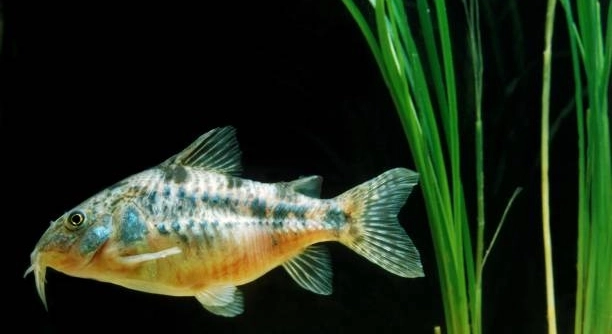
Corydoras catfish are a popular choice for aquarium enthusiasts due to their peaceful nature and unique behaviors. However, when they are introduced to a new tank, it can take time for them to adjust.
To help Corydoras catfish adapt to a new aquarium, ensure the water parameters are stable, provide hiding spots, maintain proper water filtration, avoid sudden changes, acclimate them slowly, feed them a suitable diet, and monitor their behavior for stress signs.
By following these tips, you’ll support your catfish in adjusting smoothly to their new environment, promoting their well-being.
Ensure Stable Water Conditions
Corydoras catfish are very sensitive to changes in water quality. Sudden shifts in temperature, pH, or hardness can cause stress and slow their adaptation. Keeping the water conditions consistent is essential for their health and comfort. You can monitor water parameters using a reliable test kit, checking for ammonia, nitrites, and nitrates regularly. Stable conditions help reduce the chances of illness or stress. It’s also vital to keep the water temperature within the range they thrive in, typically between 72°F to 79°F (22°C to 26°C). Before introducing your catfish, ensure your tank has been fully cycled and that the water is free from toxins.
Once you’ve stabilized your tank, your catfish will adjust much easier. This consistency allows them to focus on exploring and feeling comfortable in their new home.
In addition to these key points, make sure the water is well-aerated. Corydoras are bottom dwellers and thrive in areas with good water flow, which mimics their natural habitat in rivers. Proper aeration also prevents the buildup of harmful substances at the bottom of the tank.
Provide Plenty of Hiding Spaces
Corydoras catfish love having places to hide. A few well-placed decorations or plants can provide them with security and help them feel less stressed. These hiding spots mimic the natural environment, where these catfish often retreat to find shelter.
Adding live plants, rocks, or caves can create a more comfortable atmosphere for your fish. With these hiding spots, the catfish will have a place to retreat to if they feel threatened, helping them to adjust more quickly.
Avoid Sudden Changes in the Tank Environment
Corydoras catfish can get stressed if there are sudden changes in the tank environment. When adjusting to a new aquarium, it’s important to keep any transitions gradual. Avoid moving decorations, changing the water temperature too quickly, or adding new fish abruptly. These changes can lead to unnecessary stress, which may hinder their ability to adapt.
When you first set up your tank, allow the environment to stabilize for several days. Don’t rush the process, and ensure that every aspect of the tank remains consistent. Over time, you can introduce small changes, but always keep them gradual. This allows your catfish to adjust without feeling overwhelmed.
This approach also applies to feeding. Sudden changes in diet can stress them, so it’s best to introduce new foods slowly. Make sure you’re offering food types they’re familiar with, like sinking pellets or live foods, to keep them calm and comfortable in their new environment.
Acclimate Your Corydoras Slowly
Acclimation is crucial when introducing Corydoras catfish to a new tank. It’s best to gradually acclimate them to avoid shock from sudden temperature or water chemistry changes. Start by floating the bag with the catfish in the aquarium for about 15 to 20 minutes, allowing the temperature in the bag to match the tank’s.
After this, slowly add small amounts of tank water into the bag over the next 30 minutes. This method ensures the catfish get used to the water’s pH and hardness. It’s important not to rush this process. Moving too quickly can lead to stress and even harm to the fish.
Once the catfish are acclimated, gently release them into the aquarium. It’s best to avoid dumping the water from the bag into the tank, as this water may contain unwanted substances. A slow acclimation process will help them adjust more easily to their new environment.
Maintain Proper Filtration and Water Flow
Good filtration and water flow are key for Corydoras catfish. They prefer well-oxygenated water with a moderate current. Make sure your filtration system is capable of keeping the water clean while not creating a strong, turbulent flow. Too much current can cause them stress, while too little can lead to poor water quality.
It’s essential to keep your filtration system running smoothly to maintain stable water conditions. Check the filter regularly and clean it as needed to prevent it from becoming clogged. This ensures that the water remains healthy for your catfish, helping them feel more at ease.
Provide a Proper Diet
A proper diet supports your Corydoras catfish’s health as they adapt. Offer a variety of sinking pellets, live food, and occasional treats like bloodworms or brine shrimp. Providing nutritious and familiar food will help them feel comfortable and encourage them to explore their new environment.
By feeding them high-quality food, you ensure they have the nutrients needed to stay healthy and adapt well. Monitor their eating habits to make sure they’re eating regularly, as stress can sometimes affect their appetite. Be patient if they take time to settle in and start feeding.
Observe for Stress Symptoms
Watch your Corydoras catfish for any signs of stress, such as excessive hiding, lack of appetite, or abnormal swimming patterns. These behaviors can indicate that they’re struggling to adjust. If you notice anything unusual, check the water conditions and ensure the environment is comfortable for them.
FAQ
How long does it take for Corydoras catfish to adapt to a new tank?
The time it takes for Corydoras catfish to adjust to a new aquarium can vary, but it typically takes anywhere from a few days to a couple of weeks. During this period, they will be getting used to the water conditions, their new surroundings, and your tank’s daily routine. The more stable and peaceful the tank environment is, the faster they will adapt. If they experience stress, such as sudden changes in water quality or temperature, it could take longer.
Can Corydoras catfish live with other fish?
Yes, Corydoras catfish are peaceful and typically do well in community tanks with other non-aggressive species. They are bottom dwellers, so they won’t compete for space in the upper layers of the aquarium. However, make sure the other tank mates are not large or overly territorial, as this could cause stress to your catfish. Avoid aggressive species or fish that may nibble on their fins. Corydoras are friendly and get along well with fish like tetras, guppies, and peaceful barbs.
How can I tell if my Corydoras catfish is stressed?
Stressed Corydoras catfish may show signs such as excessive hiding, erratic swimming patterns, loss of appetite, or discolored or faded markings. If you notice that your catfish is staying at the bottom of the tank for long periods, swimming frantically, or not interacting with the rest of the tank, these could all be signs of stress. Stress can stem from poor water quality, overcrowding, aggressive tank mates, or sudden changes in the tank environment.
What is the ideal water temperature for Corydoras catfish?
Corydoras catfish prefer water temperatures between 72°F and 79°F (22°C to 26°C). Staying within this range helps keep them comfortable and healthy. If the water temperature is too low or too high, it can stress them out and make it harder for them to adjust. Keep a thermometer in the tank to monitor the temperature and adjust your aquarium heater as needed.
Do Corydoras catfish need a lot of space to thrive?
Corydoras catfish do best in spacious tanks with plenty of room to swim around and explore. A tank size of at least 20 gallons is recommended for a small group of catfish. The more space they have, the more confident and active they will be. In smaller tanks, they may feel cramped and stressed, which can lead to health issues. Having enough room for hiding spots and open areas is also important for their well-being.
Can I add Corydoras catfish to a newly set-up tank?
It’s not recommended to add Corydoras catfish (or any fish) to a brand-new tank until it has completed the cycling process. A newly set-up tank can contain harmful ammonia and nitrites, which can harm or even kill your fish. Allow the tank to cycle for 3-6 weeks to establish beneficial bacteria before adding your catfish. Doing so will help create a stable and safe environment for them to adjust.
What do Corydoras catfish eat?
Corydoras catfish are omnivores and typically eat sinking pellets, small live or frozen foods like bloodworms, brine shrimp, and daphnia. They may also graze on biofilm and algae growing on the tank’s surfaces. It’s important to provide a balanced diet to keep them healthy. If they’re not eating, it could be a sign of stress or poor water conditions, so check the tank parameters and try offering different types of food.
Can Corydoras catfish live without a filter?
While Corydoras catfish can survive in tanks without a filter, it’s not ideal for their health. A filter helps maintain water quality by removing waste, excess food, and harmful substances. Without a filter, you’ll need to perform more frequent water changes to ensure the water stays clean. If you choose not to use a filter, it’s essential to monitor water parameters carefully and make adjustments as needed.
Are Corydoras catfish sensitive to light?
Corydoras catfish are not particularly sensitive to light, but they do prefer low to moderate lighting conditions. Bright lights may cause them to hide or stay inactive, as they feel safer in darker areas. If you have bright lights in the aquarium, make sure to provide hiding spots for the catfish so they can retreat when needed. A gentle light cycle, simulating day and night, will help keep them comfortable.
How do I know if my Corydoras catfish is healthy?
A healthy Corydoras catfish should have smooth, vibrant coloring, a healthy appetite, and active swimming behavior. They should swim with their fins spread and be able to explore the tank without difficulty. Healthy Corydoras also have no visible signs of disease or injury, such as frayed fins, lesions, or swelling. Regularly monitor their behavior and physical appearance to ensure they are adjusting well to their new environment.
Final Thoughts
Corydoras catfish are wonderful additions to most aquariums due to their peaceful nature and ease of care. However, like any fish, they require a stable and comfortable environment to thrive. By making sure the water conditions are just right, providing them with plenty of hiding spots, and acclimating them slowly, you can help your Corydoras catfish settle into their new home more easily. With these simple steps, you will give them the best chance for a healthy and happy life in your aquarium.
It’s also important to monitor their behavior during the adjustment period. Corydoras catfish are sensitive to stress, so any changes in their environment, water quality, or tank mates can cause them to act differently. If you notice signs of stress, such as erratic swimming or a lack of appetite, it’s essential to check the water parameters and address any issues. A healthy tank environment is key to helping your catfish adapt quickly and feel comfortable.
Lastly, remember that Corydoras catfish are social creatures. They do best in groups, so consider keeping more than one in your tank. They will feel safer and more confident when they have others to interact with. With the right care and attention, your Corydoras catfish can enjoy a long and happy life in your aquarium. Taking the time to meet their needs will result in a peaceful, thriving aquarium that you can enjoy for years to come.

Hello,
If you enjoy the content that we create, please consider saying a "Thank You!" by leaving a tip.
Every little bit helps us continue crafting quality advice that supports the health, happiness, and well-being of pets around the world, for pets of all shapes, sizes, and species.
We really appreciate the kindness and support that you show us!