
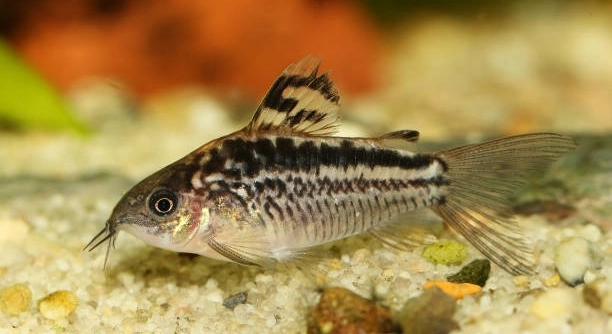
Your Corydoras catfish’s diet plays a crucial role in its health and well-being. Recognizing signs of a poor diet can help improve its condition. Understanding these signs ensures your fish thrives in its aquatic environment.
A balanced diet for Corydoras catfish includes a variety of foods like pellets, vegetables, and live foods. Signs of an improper diet can show in poor growth, color fading, or digestive issues. Proper nutrition is essential for optimal health.
Recognizing these clues will guide you in making necessary adjustments to your catfish’s feeding routine. With proper care, your Corydoras can flourish and stay healthy.
Signs of a Poor Diet in Corydoras Catfish
A healthy Corydoras catfish thrives on a balanced diet that includes high-quality pellets, live food, and occasional vegetables. When fed improperly, these fish may experience various health issues, such as poor growth, faded colors, or a lack of energy. These signs often indicate nutrient deficiencies or an imbalanced diet. A sudden change in behavior, such as lethargy or refusal to eat, may also suggest that something is wrong with the food offered. Regular observation and adjustments to their feeding routine will help you avoid these problems.
Sometimes, too much or too little of a certain food type can be the cause of issues. If the fish isn’t getting enough protein, for example, its growth may be stunted. Similarly, an excess of certain foods like high-fiber vegetables can lead to digestive upset, which is common in overfed fish. Overfeeding is another factor that can negatively affect their health, leading to bloating or constipation.
It’s essential to pay attention to these changes and respond accordingly. Fish like Corydoras are quite sensitive, so making gradual adjustments to their diet can help prevent additional stress. Offering them a variety of foods and following proper feeding practices will ensure they stay healthy and active in their tank.
Common Nutritional Deficiencies
A lack of essential vitamins or minerals can significantly impact the health of your Corydoras catfish. Vitamin deficiencies, particularly those of Vitamin C and B, can lead to weakened immune systems and reduced overall vitality.
Maintaining a diet that includes a mix of high-quality fish food is key to preventing these deficiencies. Specially formulated catfish pellets often contain essential vitamins that help support immunity and overall health. Supplementing with occasional live foods like brine shrimp or daphnia will provide additional nutrients necessary for proper growth and development. Ensuring that the fish have access to a varied, nutrient-rich diet will support long-term health and help them maintain vibrant colors.
Overfeeding and Its Effects
Overfeeding your Corydoras can quickly lead to health problems. When fish eat more than they can digest, the extra food can rot, pollute the tank, and harm water quality. This can result in digestive issues, bloating, and even organ damage if left unchecked.
It’s important to feed your Corydoras only as much as they can consume within a few minutes. Overfeeding not only leads to waste buildup in the tank but can also cause stress and discomfort for the fish. Sticking to a regular feeding schedule helps control how much food is consumed and prevents these negative effects.
Keep an eye on your catfish’s behavior and adjust the amount of food if they are consistently leaving leftovers. Uneaten food contributes to water pollution, which can make your catfish more susceptible to illness. Proper feeding habits will help maintain a healthy, thriving aquarium.
Underfeeding and Malnutrition
Underfeeding your Corydoras may seem like a harmless mistake, but it can cause long-term damage. Insufficient food leads to nutrient deficiencies, poor growth, and weakened immunity.
Catfish need a balanced diet that includes both protein and fiber. If your fish isn’t getting enough of either, it may appear lethargic, lose weight, or even develop problems with its skin and fins. This lack of essential nutrients affects overall health and can make them more vulnerable to disease. Regularly observe their eating habits to ensure they are receiving an adequate amount of food.
To avoid underfeeding, ensure your Corydoras have enough access to food and that it meets their nutritional needs. Varying the diet with live foods, pellets, and vegetables can help keep them strong and healthy. A well-rounded diet supports their immune system, preventing unnecessary health issues.
Food Variety and Its Importance
Providing a variety of foods is crucial for your Corydoras catfish. A mix of high-quality pellets, live foods, and vegetables ensures they receive a wide range of nutrients. This approach supports their overall health and enhances their growth.
Relying on just one type of food can lead to nutritional imbalances. For instance, too much protein without sufficient fiber can cause digestive problems. By introducing new foods regularly, you can ensure your catfish are getting everything they need for strong immunity and vibrant coloration.
Feeding Frequency
Feeding your Corydoras once or twice a day is usually sufficient. Too many feedings can lead to waste buildup and stress the fish.
By keeping a consistent feeding routine, you allow your catfish to adapt and grow in a healthy environment. Avoid feeding them excessively, as it may disrupt their digestion and overall health.
Tank Conditions and Diet
Water quality and temperature can impact your Corydoras’ ability to digest food properly. Poor tank conditions can lead to stress, affecting appetite and digestion.
Maintaining stable water conditions is essential for their well-being. Ensure the water is clean, properly filtered, and kept within the optimal temperature range for Corydoras. When their environment is in top condition, they can better process the nutrients from their food, promoting better health and growth.
FAQ
What should I feed my Corydoras catfish?
Corydoras catfish are omnivores and need a balanced diet to stay healthy. A mix of high-quality pellets, live foods like brine shrimp or daphnia, and occasional vegetables will provide the necessary nutrients. Live foods offer extra protein, while vegetables supply fiber. Make sure to provide a variety to ensure all their nutritional needs are met.
How often should I feed my Corydoras catfish?
Feeding your Corydoras catfish once or twice a day is typically sufficient. Overfeeding can lead to water pollution and health issues, so stick to small portions that your fish can consume in a few minutes. It’s important to avoid excess food left in the tank, as this can contribute to poor water quality.
Can Corydoras catfish eat frozen food?
Yes, Corydoras can eat frozen food. Frozen foods like brine shrimp, bloodworms, or daphnia are an excellent source of protein. Make sure to thaw the food before feeding it to avoid sudden temperature changes in the tank. Frozen foods should be used as part of a varied diet, not as the sole food source.
How do I know if my Corydoras catfish is eating enough?
If your Corydoras catfish are eating regularly and maintaining a healthy weight, they’re likely getting enough food. Watch for signs of lethargy, weight loss, or refusal to eat, as these can indicate underfeeding or poor nutrition. Ensure the food is appropriate for their size and eating habits.
What happens if my Corydoras catfish is overfed?
Overfeeding can lead to bloating, constipation, and stress for your Corydoras catfish. Excess food left uneaten can decompose in the tank, polluting the water and affecting the overall health of the tank. Overfeeding can also cause obesity in fish, leading to long-term health problems.
Can Corydoras catfish eat vegetables?
Yes, Corydoras catfish can eat vegetables. Offering soft, blanched vegetables like spinach, zucchini, or peas is a great way to add fiber to their diet. Vegetables help with digestion and provide essential nutrients. Just ensure the vegetables are cut into small pieces and are easy for them to consume.
Should I feed my Corydoras catfish in the morning or evening?
You can feed your Corydoras catfish at either time, but consistency is key. Some aquarists prefer to feed them in the evening, as this mimics their natural feeding habits in the wild. It’s essential to stick to a regular feeding schedule to avoid overfeeding or underfeeding.
Is it okay to feed my Corydoras catfish only pellets?
Feeding only pellets is not ideal. While high-quality pellets can provide a balanced diet, they lack the variety of nutrients found in live food and vegetables. A varied diet ensures your Corydoras get the right balance of proteins, vitamins, and minerals.
Can Corydoras catfish eat flakes?
Flakes are not the best food for Corydoras catfish, as they tend to float on the surface and may not be eaten by bottom-dwelling fish like Corydoras. Pellets or sinking wafers are better suited to their feeding habits. If using flakes, ensure they are designed for bottom feeders.
What type of pellets should I feed my Corydoras catfish?
Choose sinking pellets designed for bottom feeders to ensure your Corydoras can access their food. High-quality catfish pellets with protein, vitamins, and minerals will support their health. Always read the label to ensure the pellet’s nutritional content is suitable for Corydoras.
Why is my Corydoras catfish not eating?
If your Corydoras catfish isn’t eating, it could be due to poor water quality, stress, or illness. Check the water parameters to ensure they are within the ideal range. Also, consider whether there have been any recent changes in the tank environment. If the issue persists, consult a veterinarian.
Can I feed my Corydoras catfish live worms?
Yes, Corydoras catfish can eat live worms such as earthworms or bloodworms. Live food provides an excellent source of protein, encouraging natural hunting behavior and boosting health. Just make sure the worms are appropriately sized for your fish and properly cleaned before offering them.
How do I know if my Corydoras catfish is getting the right diet?
Signs of a well-fed Corydoras catfish include healthy growth, vibrant coloration, and active behavior. If your catfish are lethargic, losing weight, or have pale colors, these can be signs of dietary issues. Regular observation of your fish will help you determine if they need adjustments in their feeding routine.
Can I feed my Corydoras catfish too much protein?
Yes, too much protein can cause digestive issues and stress for your Corydoras. While they need protein, an excessive amount can lead to bloating or constipation. Balance their diet with other food types, including fiber-rich vegetables, to maintain their digestive health.
Can Corydoras catfish eat algae wafers?
Algae wafers can be a good supplement to your Corydoras’ diet. They are rich in plant matter, which is essential for digestion. However, they should not be the main food source. Offer them as a treat alongside their regular diet of pellets and live food.
Should I feed my Corydoras catfish during water changes?
It’s not recommended to feed your Corydoras catfish during water changes. Feeding during this time can cause uneaten food to pollute the tank. Wait until the water is stable and clean before feeding them. This helps prevent water quality issues and ensures they’re eating in a healthy environment.
How do I adjust my Corydoras catfish’s diet for breeding?
Breeding Corydoras catfish requires a slightly different diet. To encourage spawning, provide extra protein through live foods such as brine shrimp or worms. These foods support the energy needs of breeding fish. Additionally, ensure that the water quality is optimal for breeding conditions.
What’s the best water temperature for Corydoras catfish to eat?
Corydoras catfish typically thrive in water temperatures between 72°F and 78°F (22°C to 26°C). If the water is too cold, their metabolism slows down, and they may lose interest in food. Maintain the proper water temperature to ensure they stay active and eat regularly.
Final Thoughts
Ensuring your Corydoras catfish receive a balanced diet is key to their long-term health and well-being. A variety of food options, such as high-quality pellets, live food, and vegetables, will provide them with the nutrients they need to thrive. It’s important to pay attention to their feeding habits and adjust accordingly. Overfeeding can lead to health issues, so it’s best to provide small portions that your fish can eat in a short amount of time. Monitoring your catfish regularly helps you catch any signs of stress or malnutrition early on.
In addition to their diet, the environment plays a significant role in their overall health. Keeping the water clean, at the proper temperature, and free from harmful chemicals will help your Corydoras catfish digest their food properly and stay active. Water quality affects more than just their appetite—it also influences their behavior and immune system. Regular water changes and proper filtration will help maintain a stable environment for them. Without a stable tank, even the best diet won’t be enough to keep your fish healthy.
Lastly, remember that Corydoras catfish are social creatures that thrive in groups. A well-balanced diet combined with a comfortable environment and good water quality will promote healthier, more active fish. By paying attention to their needs and adjusting their care routine as necessary, you’ll ensure your Corydoras catfish stay happy and healthy for years to come.

Hello,
If you enjoy the content that we create, please consider saying a "Thank You!" by leaving a tip.
Every little bit helps us continue crafting quality advice that supports the health, happiness, and well-being of pets around the world, for pets of all shapes, sizes, and species.
We really appreciate the kindness and support that you show us!