
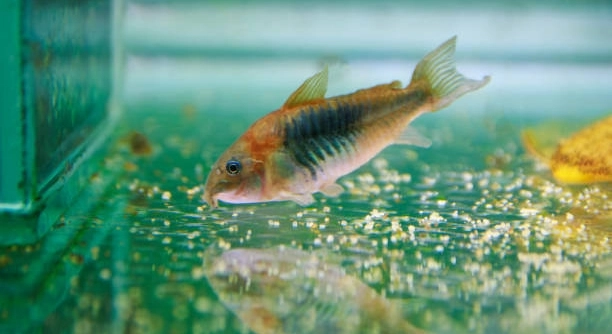
Corydoras catfish are peaceful and shy creatures that thrive in a community tank. However, they can easily become stressed when not provided with the proper environment. Ensuring their safety is essential for their well-being.
To make your Corydoras catfish feel safer, you should focus on maintaining a calm tank environment, providing adequate hiding spots, avoiding aggressive tankmates, and ensuring clean water conditions. Consistent care can help reduce their stress and promote healthy behavior.
By following these steps, you can create a peaceful environment for your Corydoras. This will enhance their experience in the community tank, improving both their health and their interactions with other fish.
Provide Plenty of Hiding Spots
Corydoras catfish feel most at ease when they have places to hide. In a community tank, they are naturally timid and tend to retreat when they feel threatened. Adding items like caves, plants, or rocks can give them the privacy they need. When they feel safe, they will be more active and less stressed.
Hiding spots also allow Corydoras to rest in peace, especially when tankmates are moving around. Not only does this provide a sense of security, but it also helps prevent them from feeling overwhelmed by more dominant fish in the tank. Create areas where they can hide and relax.
Consider arranging the tank so that there are a few different hiding places scattered throughout. You can use driftwood, large plants, or commercial aquarium caves designed for small fish. This will encourage your Corydoras to explore without feeling exposed. The more secluded spots they have, the less likely they are to be stressed by other tank inhabitants. Providing this simple addition to their environment will go a long way in creating a safer, more comfortable home.
Avoid Aggressive Tankmates
It’s essential to choose peaceful tankmates for your Corydoras catfish. Larger or more aggressive species can intimidate or even harm them. Keeping compatible species ensures your catfish feel safer.
Aggressive fish will often chase or bully the Corydoras, which causes stress and can even lead to injury. Corydoras thrive with peaceful tankmates such as small tetras, rasboras, and guppies. Choose fish that are calm and unlikely to disrupt their daily routine.
In addition to selecting the right tankmates, consider the size of your fish. Large fish can accidentally harm smaller Corydoras, even without aggression. Ensure that all fish in the tank are of similar size and temperament, helping to maintain a harmonious environment. By carefully selecting the right tankmates, your Corydoras can live comfortably and securely.
Maintain Clean Water Conditions
Maintaining clean water is essential for the well-being of your Corydoras catfish. They are sensitive to poor water quality, which can lead to stress, illness, and even death. Regular water changes, proper filtration, and monitoring of water parameters are key.
Corydoras are bottom dwellers, and they often stir up debris as they search for food. This can contribute to water contamination, so regular vacuuming of the substrate is important. Keep an eye on ammonia, nitrite, and nitrate levels, ensuring they stay within safe limits. Having a reliable filter and performing weekly water changes will help maintain a stable and healthy environment.
Adding live plants can also improve water quality by absorbing excess nutrients. Ensure that the water temperature and pH levels match the species’ needs. Clean, well-maintained water reduces the risk of stressors and diseases, allowing your Corydoras to thrive in a stable tank environment.
Create a Calm Tank Environment
Avoid sudden changes in the tank environment. Corydoras are easily stressed by rapid shifts in temperature, lighting, or water parameters. Keeping things steady ensures your fish feel secure.
Use gentle filtration to avoid strong currents, as Corydoras prefer calm water. Position the filter outflow in a way that doesn’t disrupt the substrate or cause excessive movement. If your tank has strong lighting, consider using dimmer options or adding plants to create shaded areas. The more stable the environment, the less your Corydoras will feel threatened.
Stability in tank conditions means less stress for your fish. Avoid sudden changes to the tank’s layout or water chemistry. Consistency fosters a sense of security, allowing your Corydoras to focus on foraging and interacting with other peaceful tankmates. This calmness helps your fish feel safe and comfortable.
Provide a Balanced Diet
A proper diet is essential for your Corydoras catfish to remain healthy and feel secure. Provide a variety of foods, such as sinking pellets, frozen or live foods, and occasional vegetables. A well-fed Corydoras is less likely to feel stressed or threatened.
Avoid overfeeding, as excess food can contaminate the water. Offering food that reaches the bottom of the tank is important because Corydoras are bottom feeders. Be sure to clean any uneaten food to maintain water quality and reduce stress on the fish.
A nutritious diet helps Corydoras build a strong immune system, enabling them to cope better with any stressors. Feeding them a balanced, varied diet promotes their overall health, making them more resilient in a community tank setting.
Minimize Tank Noise
Loud noises around the tank can startle Corydoras catfish, leading to stress. Keep noise levels low to create a peaceful environment. Avoid slamming doors or sudden movements near the aquarium.
Reducing disturbances helps your Corydoras feel secure in their space. They are sensitive to vibrations, so minimizing noise will help them relax. This simple step will contribute significantly to their sense of safety and comfort.
Monitor Tank Temperature
Maintaining a consistent temperature is crucial for your Corydoras. Fluctuations in temperature can cause stress, so use a reliable heater to ensure the tank remains stable. Corydoras thrive in temperatures between 72°F and 78°F.
Make sure the heater is placed near the filter intake to ensure even heating throughout the tank. Check the temperature regularly with an accurate thermometer. Keeping a stable temperature will help your Corydoras feel safe and comfortable.
FAQ
What are the best tankmates for Corydoras catfish?
Corydoras catfish do best with peaceful tankmates that are similar in size and temperament. Small tetras, rasboras, guppies, and other non-aggressive species work well. Avoid larger or more territorial fish that may chase or harass them. The goal is to maintain a calm, peaceful environment where your Corydoras can feel safe and not threatened.
How can I tell if my Corydoras is stressed?
Signs of stress in Corydoras catfish include erratic swimming, hiding excessively, or staying at the top of the tank. They may also stop eating or display unusual behaviors like rapid gill movement. Stress can be caused by water quality issues, aggressive tankmates, or sudden environmental changes. Monitor their behavior and make adjustments accordingly.
How often should I feed my Corydoras catfish?
Feed your Corydoras catfish once or twice a day, offering small amounts of food they can consume in a few minutes. Avoid overfeeding, as leftover food can pollute the tank and affect water quality. A varied diet of sinking pellets, frozen or live foods, and vegetables helps meet their nutritional needs.
What is the ideal substrate for Corydoras catfish?
Corydoras prefer a soft, fine-gravel or sand substrate. They are bottom dwellers and will spend much of their time sifting through the substrate for food. Sharp or coarse materials can harm their delicate barbels, so avoid using anything too rough. A smooth, fine substrate helps protect their sensitive bodies.
How can I keep my Corydoras safe from tankmates?
To ensure your Corydoras are safe, choose peaceful and non-aggressive tankmates. Avoid species known for fin-nipping or territorial behavior. Additionally, create hiding spots in the tank to give your Corydoras a place to retreat if they feel threatened. This provides a sense of security and helps reduce stress.
How can I prevent my Corydoras from being bullied by other fish?
In a community tank, some fish may try to dominate or bully your Corydoras. To reduce the chances of this happening, keep the tank well-stocked with other peaceful species. Having more fish helps spread aggression and prevents one fish from picking on the Corydoras. Also, ensure plenty of hiding spaces are available.
What water parameters do Corydoras need?
Corydoras catfish prefer slightly acidic to neutral water, with a pH between 6.5 and 7.5. The water temperature should be between 72°F and 78°F. Keep ammonia and nitrite levels at zero, and nitrate levels below 20 ppm. Regular water changes and a good filtration system are essential for maintaining these parameters.
Can I keep Corydoras catfish in a tank with strong currents?
Corydoras do not like strong water currents. They are bottom-dwelling fish and prefer calm water where they can easily forage. If your tank has a powerful filter or water flow, adjust the outflow direction or use a sponge filter to reduce the current. This creates a safer environment for your Corydoras.
Why are my Corydoras not eating?
If your Corydoras are not eating, it could be due to stress, water quality issues, or illness. Check the tank’s water parameters and ensure they are within the recommended range. Stress from aggressive tankmates, poor water conditions, or sudden changes in the environment can also affect their appetite.
How often should I clean the tank for my Corydoras?
Regular cleaning is important to maintain a healthy environment for your Corydoras. Perform partial water changes of 25-30% every week, and vacuum the substrate to remove debris and uneaten food. Clean the filter regularly but avoid over-cleaning, as beneficial bacteria are essential for maintaining water quality.
Can Corydoras live with other bottom-dwelling fish?
Corydoras can live with other bottom-dwelling species, as long as they are peaceful. Be cautious with fish that might compete for food or territory. Avoid other bottom feeders that may be territorial or aggressive, such as certain species of catfish or cichlids. Peaceful, non-aggressive bottom dwellers are ideal companions.
Do Corydoras need a filter in their tank?
Yes, Corydoras require a filter to maintain water quality. They are sensitive to poor water conditions, and a good filtration system helps keep the water clean by removing waste and toxins. However, ensure the filter’s flow is not too strong, as Corydoras prefer calmer water.
How do I provide hiding spots for my Corydoras?
To provide hiding spots, use caves, driftwood, rocks, or dense plants. Corydoras feel more secure when they have places to retreat to when they are stressed or need rest. Arrange the tank to include multiple hiding areas, so they have options to escape from any potential threats.
What kind of plants do Corydoras like?
Corydoras enjoy live plants in their tank. They benefit from plants that provide cover and help maintain stable water conditions. Plants like Java Fern, Anubias, and Cryptocoryne are great choices. Make sure to provide some open space for swimming and foraging as well.
Can Corydoras live in a tank with a lid?
Corydoras can live in tanks with lids, but make sure the lid is not airtight. They need to breathe air from the surface, especially if the oxygen levels in the water are low. Ensure there is enough space at the top of the tank for them to swim up and take air.
How can I tell if my Corydoras is healthy?
Healthy Corydoras are active, swim regularly, and forage for food at the bottom of the tank. Their colors should be vibrant, and their fins should be intact. If your Corydoras is sluggish, has faded color, or shows signs of injury or illness, it may need attention. Regular monitoring can help catch health issues early.
Can Corydoras be kept with shrimp?
Corydoras can typically be kept with shrimp, as long as the shrimp are not too small to be eaten. Larger shrimp species, like Amano shrimp, are safe companions. However, avoid keeping very small or vulnerable shrimp that could be targeted by Corydoras for food.
Final Thoughts
Ensuring the safety and well-being of your Corydoras catfish in a community tank requires a few key steps. Proper tank conditions, including water temperature, filtration, and substrate choice, play a large role in making them feel secure. Additionally, having peaceful tankmates can significantly reduce stress. Corydoras are naturally bottom dwellers and sensitive to their surroundings, so providing plenty of hiding spots and a calm environment is essential for their health and comfort. A balanced diet and stable water parameters help maintain their well-being and ensure they thrive in the community tank.
Regularly monitoring the tank and being proactive about any potential issues will help prevent stress and health problems for your Corydoras. If they exhibit signs of stress, such as erratic behavior or loss of appetite, it is important to act quickly. Check water quality, tankmates, and feeding habits to address any concerns. Over time, you’ll learn the specific needs of your Corydoras and how they interact with other tank inhabitants. This ongoing observation will lead to a more harmonious and healthier tank for everyone involved.
By taking the right steps, Corydoras catfish can live peacefully in a community tank, enjoying a secure environment where they feel safe. Their ability to coexist with other species depends largely on the care and attention they receive. A well-maintained aquarium with stable conditions will allow your Corydoras to flourish and bring beauty to your tank. Ensuring their comfort through thoughtful setup and consistent care can make all the difference in their overall happiness and health.

Hello,
If you enjoy the content that we create, please consider saying a "Thank You!" by leaving a tip.
Every little bit helps us continue crafting quality advice that supports the health, happiness, and well-being of pets around the world, for pets of all shapes, sizes, and species.
We really appreciate the kindness and support that you show us!