
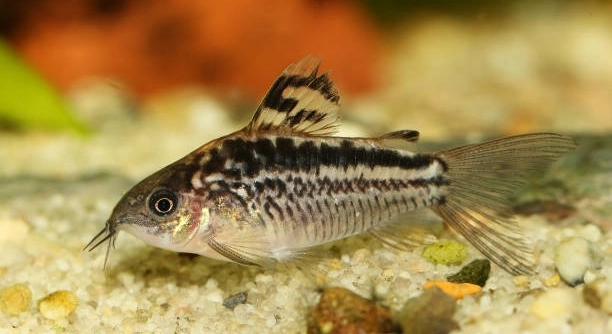
Corydoras catfish are popular aquarium pets, known for their peaceful nature and playful behavior. Understanding their needs, including water flow, can help ensure they thrive in their environment. Water movement plays an important role in their comfort and health.
To determine if your Corydoras catfish likes the water flow, observe their behavior closely. Healthy fish will swim happily around the tank, exploring different areas without resistance or signs of stress. They avoid overly strong currents.
There are several signs to look for that indicate how your Corydoras catfish feels about the water flow. Knowing these indicators will help you create a comfortable and safe environment for them to enjoy.
Signs Your Corydoras Catfish Is Comfortable With the Water Flow
Corydoras catfish are sensitive to water conditions, especially the flow. A good water flow should not overwhelm them but keep the tank’s environment active. If the flow is too strong, they will often avoid swimming in it, seeking quieter spots near the bottom. On the other hand, if they seem energetic and actively explore different parts of the tank, this is a sign they are comfortable with the water movement. They often swim in short bursts, darting between calmer spots when they feel secure in their environment.
Observing your Corydoras’ swimming patterns can tell you a lot about how they feel about the flow. If they’re swimming freely, the current is likely at a good level for them. However, if they avoid certain areas or seem sluggish, it may be too intense.
Fish rely on the water flow to stimulate their natural behaviors. In the wild, they live in rivers and streams where the current is constantly shifting. This movement helps them to stay active and healthy. In your tank, it’s important to mimic this by providing enough movement to encourage their activity without causing distress. Some aquariums come with adjustable filters, which give you the flexibility to control the current. If you see your Corydoras catfish happily swimming along with no signs of exhaustion or stress, this suggests that the water flow is just right for them.
What Happens If the Water Flow is Too Strong?
Corydoras catfish may struggle if the current in your tank is too intense. They might seem like they’re fighting against the water, or they may try to stay near the bottom, avoiding the stronger currents.
When water flow is too strong, it can make it difficult for Corydoras to breathe and move naturally. These catfish are not strong swimmers, and they rely on calm conditions to keep them at ease. When stressed, they may show signs of lethargy, stay near hiding spots, or swim erratically in attempts to escape the current. You’ll notice they may also swim less, sticking to the bottom of the tank where the flow is gentler. It’s important to adjust the water flow accordingly to prevent these negative impacts.
How to Adjust the Water Flow for Your Corydoras Catfish
To help your Corydoras catfish feel more comfortable, you can adjust the water flow in your aquarium. Reducing the filter output or adding accessories like a sponge filter can slow the current. These small changes make a big difference to your fish’s well-being.
Corydoras prefer calm water conditions where they can move around without fighting strong currents. If you find that the current is too much for them, lowering the filter power or switching to a gentler pump can help. Additionally, you can create calm zones by placing decorations or plants that block the current. These changes allow your Corydoras to swim more freely without stress. Adjusting the water flow is crucial for preventing exhaustion or frustration in your fish, ensuring they remain active and healthy.
Adding a sponge filter can be a good solution for reducing strong water flow. These filters create a gentler stream while still providing effective filtration. Sponge filters are ideal for smaller tanks and delicate fish like Corydoras. They’re easy to install and can be adjusted to suit your tank’s needs. By incorporating these filters, you ensure that the water remains clean while maintaining a calm environment that your Corydoras will appreciate.
Observing Behavioral Changes with Water Flow
It’s important to keep an eye on your Corydoras’ behavior when adjusting the water flow. If they seem more active after changes, you’re likely on the right track. Watch for signs of distress such as hiding or lethargy.
Behavioral changes can tell you how well your Corydoras are adapting to the water flow. When the current is ideal, you’ll notice your fish swimming freely around the tank, exploring and foraging for food. However, if they start hiding more or swimming frantically against the current, this is a clear sign that the flow is too strong. By monitoring these behaviors, you can determine if further adjustments are necessary. A calm and active fish is a healthy fish, so watching these small changes can guide you to a more suitable tank environment for your Corydoras.
Monitoring Tank Parameters
Regularly checking tank parameters like temperature, pH, and ammonia levels can help ensure your Corydoras are comfortable in their environment. Water flow can be affected by changes in these factors, so consistent monitoring is important.
Adjusting water flow is only one part of the equation. Maintaining stable water conditions is essential for your Corydoras’ health. Fluctuations in temperature or water chemistry can stress them, making it harder for them to adjust to the current. Regular testing of water parameters can help prevent this. Keeping the tank environment stable ensures your fish stay happy and active, with no added stress from improper water conditions.
Using Decorations to Block the Flow
Strategically placed decorations can create calmer areas for your Corydoras to relax in. Using rocks, plants, or driftwood can effectively shield them from strong currents, allowing them to feel secure.
Using these natural elements also adds to the aesthetic of your tank. Corydoras often prefer to hide in shaded spots between rocks or plants where the water flow is slower. This gives them a place to rest, reducing stress from stronger currents while still providing ample space for swimming and foraging. It’s a simple yet effective way to enhance the environment for your fish.
Identifying Stress Indicators
Stress in Corydoras can manifest in several ways. Signs like erratic swimming, hiding, or loss of appetite indicate that something may be off in the tank.
When your Corydoras show signs of stress, it’s essential to assess the water flow as well as other environmental factors. A stressed fish may retreat to the bottom of the tank or stop eating. Adjusting the water flow or improving other tank conditions may resolve the issue.
FAQ
How do I know if the water flow is too strong for my Corydoras catfish?
If the water flow is too strong, your Corydoras will avoid swimming in areas with heavy currents. They may stick to the bottom or hide behind decorations, looking for calmer spots. You might also notice them swimming erratically or struggling to stay in one place. Healthy Corydoras typically swim freely without resistance. If your fish seem sluggish, stressed, or constantly seeking shelter, it’s a clear sign the flow is too strong. Pay attention to how they behave near the filter or water pump, as these areas are usually where the current is strongest.
Can Corydoras catfish live in strong water currents?
Corydoras catfish are bottom dwellers and prefer calm, gentle water movement. They are not strong swimmers, and strong water currents can cause stress. While they can tolerate moderate water flow, they don’t thrive in high currents. Too much flow can affect their health, making them more vulnerable to stress-related issues. Providing gentle movement in the tank is better suited for their natural behavior and comfort. Corydoras need stable water conditions with low to moderate flow, allowing them to forage and explore without struggling against the current.
What happens if the water flow is too weak for my Corydoras?
If the water flow is too weak, your tank may suffer from poor filtration, leading to the buildup of waste and harmful toxins. Corydoras rely on water movement to keep their environment clean. Insufficient flow can cause stagnant areas, making it harder for the filter to circulate water and remove waste properly. While Corydoras don’t need strong current, they do benefit from gentle movement that helps with water oxygenation. If the water flow is too weak, it could negatively affect both the fish and the overall tank health, so it’s important to find a balance.
How do I adjust the water flow in my aquarium?
There are several ways to adjust water flow in an aquarium. You can start by adjusting the flow rate of your filter or pump. Many modern filters allow you to control the water output. If your filter doesn’t have this option, you can use a sponge filter to reduce the current. Another option is to redirect the flow by adjusting the filter’s position or using a deflector. Adding plants, rocks, or decorations can also create calmer zones where your Corydoras can rest. Experiment with different setups until you find the flow that works best for your fish.
Can Corydoras catfish live in aquariums with strong filters?
While Corydoras can live in aquariums with strong filters, the filter output should be adjusted to prevent excessive water flow. A high-flow filter can stress your Corydoras, as they prefer calm waters. However, filters with adjustable flow rates are a good solution, as they allow you to control the strength of the current. If the filter’s flow is too strong, place it in a corner or use deflectors to redirect the current. Always aim for a balance where your filter works effectively while keeping the water flow comfortable for your fish.
Do Corydoras prefer a certain type of filter?
Corydoras catfish prefer filters that provide gentle water movement, so sponge filters are a great option. Sponge filters create a soft current, ideal for these bottom-dwelling fish. They also help with biological filtration, promoting healthy bacteria in the tank. Other filter types, such as hang-on-back filters or canister filters, can work well if the flow rate is adjustable. Choose a filter that matches the size of your aquarium and allows you to control the water flow. Regardless of the filter type, make sure it doesn’t create a strong current that might stress your fish.
What are the signs of a stressed Corydoras catfish?
Stressed Corydoras often display changes in behavior. They may swim erratically, dart around the tank, or hide in corners or behind decorations. Loss of appetite or reluctance to come out during feeding time is another sign of stress. You may also notice that they spend most of their time at the bottom, avoiding areas with stronger currents. Stress can be caused by various factors, including improper water flow, poor water quality, or overcrowding. It’s important to address these issues promptly to prevent health problems in your fish.
Can Corydoras survive in a tank with no water flow?
While Corydoras do not require strong water movement, they still need some flow to ensure proper filtration and oxygenation in the tank. Without any water movement, the water can become stagnant, leading to poor water quality, which can harm your fish. A low-flow filter or sponge filter can provide gentle movement to keep the water clean and well-oxygenated. It’s essential to maintain a balance where the water flow is gentle enough for your Corydoras but strong enough to promote proper filtration and prevent stagnation.
Should I use a powerhead for Corydoras catfish?
Powerheads can be used in tanks with Corydoras, but it’s important to use them with caution. Powerheads create stronger currents that may be too much for your Corydoras to handle. If you choose to use a powerhead, make sure it has adjustable flow control and place it in a location where it won’t create a strong current in areas where your Corydoras swim. Alternatively, you can diffuse the water flow with attachments designed to reduce the intensity of the current. Always monitor your fish closely to ensure they are not stressed by the water movement.
Can I use live plants to help with water flow for Corydoras?
Yes, live plants are excellent for creating calmer areas in the tank, helping reduce water flow in specific areas. Plants can act as natural barriers, blocking the current and providing shelter for your Corydoras. They also help with water quality by absorbing excess nutrients, which reduces the buildup of harmful substances in the water. If you place plants near the filter or water flow sources, they can create a more peaceful environment for your Corydoras. Just ensure that the plants are suitable for the water conditions in your tank.
Final Thoughts
Understanding the water flow preferences of your Corydoras catfish is essential for creating a comfortable environment. These fish are naturally adapted to slow-moving rivers and streams, and they thrive in aquariums with gentle water currents. Strong flows can stress them, affecting their health and behavior, while weak flows can lead to poor water quality. By observing your Corydoras closely, you can determine if the water flow is suitable for them. If they are swimming freely and actively exploring the tank, the flow is likely ideal. However, if they seem sluggish or spend most of their time hiding, the current might be too strong.
Adjusting the water flow in your aquarium is relatively simple. You can make changes by using adjustable filters, sponge filters, or redirecting the flow with decorations. It’s important to create calm zones in your tank where your Corydoras can rest and feel safe. By doing this, you help reduce stress and provide a more natural environment for your fish. In some cases, small adjustments to the water flow can make a significant difference in your Corydoras’ overall well-being. It’s also crucial to ensure that the water conditions are stable, including temperature and water chemistry, to avoid any added stress that could make the water flow even more difficult for your fish to handle.
Caring for Corydoras catfish means more than just providing the right water flow. It’s about maintaining a balanced environment where they can thrive. By paying attention to their needs and making the right adjustments, you ensure they remain healthy, active, and stress-free. While water flow is important, it’s just one part of the larger picture. Regular maintenance of the tank, including checking the water quality, providing a varied diet, and creating hiding spots, will also contribute to the happiness of your Corydoras. Remember that happy fish are more active and show fewer signs of stress, so making these small changes can go a long way in their overall health.

Hello,
If you enjoy the content that we create, please consider saying a "Thank You!" by leaving a tip.
Every little bit helps us continue crafting quality advice that supports the health, happiness, and well-being of pets around the world, for pets of all shapes, sizes, and species.
We really appreciate the kindness and support that you show us!