
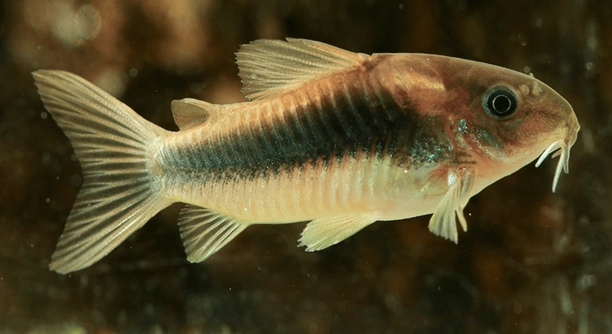
If you’re a Corydoras catfish owner, you may have noticed your fish lying on its back at some point. This behavior can be concerning, especially if it happens suddenly. Understanding why it occurs can help you address the issue.
Corydoras catfish lying on their back may indicate stress, illness, or environmental factors. Poor water quality, improper tank conditions, or a lack of oxygen can lead to this behavior. In some cases, it can also be caused by injury or disease.
By paying attention to water quality, tank setup, and your fish’s overall health, you can prevent this from becoming a long-term problem. Knowing what causes this behavior can lead to quicker solutions and better care for your catfish.
Poor Water Quality
When your Corydoras catfish is lying on its back, poor water quality is one of the most common causes. High levels of ammonia, nitrites, or nitrates can quickly stress out your fish, leading to abnormal behaviors. Fish require clean, well-oxygenated water to stay healthy, and when the water quality dips, it affects their behavior. A tank that isn’t properly filtered or regularly maintained will cause your catfish to struggle, potentially even resulting in death if left unaddressed.
Testing the water regularly and maintaining proper filtration is crucial for a healthy tank environment. Make sure the water parameters, like pH, temperature, and hardness, are within the range suitable for Corydoras catfish. Water changes should be done at least once a week to keep toxins at bay.
Regularly check your filter and replace the media as needed. You might also want to invest in a water conditioner to neutralize harmful chemicals. Clean water directly impacts your fish’s overall health and can prevent many issues, including back-lying behavior.
Oxygen Deficiency
Low oxygen levels can also cause Corydoras to swim or lie in an unnatural position. If the water is stagnant or not properly aerated, your fish may struggle to breathe.
Adding an air stone or adjusting the filter flow can help improve water circulation and oxygen levels. Keeping the water moving ensures your Corydoras get enough oxygen and stay healthy.
Water Temperature
Corydoras catfish are sensitive to temperature changes. If the water is too hot or too cold, it can cause stress, leading to them lying on their backs. Temperatures outside their comfortable range (usually between 72-78°F or 22-26°C) can harm their health.
Ensure your tank’s water temperature stays consistent. If you notice fluctuations, a reliable aquarium heater can help regulate it. Extreme temperature changes are particularly harmful during the transition from day to night. Always check the temperature daily to avoid surprises.
Inconsistent temperatures may also affect the fish’s metabolism and behavior. During hot days or cold nights, ensure the heater or cooler is set correctly. Small shifts in temperature can cause significant stress to your Corydoras, making them more vulnerable to illness and abnormal behavior.
Injury or Illness
If your Corydoras is injured, it may lie on its back to avoid moving. This could happen after a fight with other fish or bumping into a hard surface in the tank. Similarly, an internal or external illness might cause your fish to behave unusually.
Check for signs of injury, such as visible wounds, missing fins, or a swollen body. Injuries can get infected quickly, especially in the warm, moist environment of an aquarium. If you spot any symptoms of illness, take immediate action by isolating the fish to prevent spreading disease.
Even internal conditions, such as swim bladder issues, can cause your fish to lie on its back. Swim bladder disease affects the fish’s buoyancy, making it difficult to maintain normal swimming behavior. If an illness is suspected, seek advice from an aquarium professional to get your fish back to normal health.
Stress
Stress can cause Corydoras to behave strangely, including lying on their backs. Factors such as overcrowded tanks, aggressive tankmates, or sudden changes in the environment can all contribute to high stress levels in fish. A stressed catfish might appear lethargic or exhibit unusual swimming patterns.
To reduce stress, ensure your Corydoras have enough space to swim and hide. Avoid aggressive species in the same tank. If you’ve recently added new fish or made changes to the tank, give them time to adjust. Keeping the environment stable and peaceful helps prevent stress-induced behaviors.
Poor Diet
Corydoras require a balanced diet to stay healthy. A poor or unvaried diet can lead to nutritional deficiencies, making them weak and more likely to show abnormal behavior, such as lying on their backs. Feeding them the wrong type of food can cause health problems.
Offer your Corydoras a variety of foods, such as sinking pellets, frozen or live foods like bloodworms, and occasional veggies. Avoid overfeeding, as uneaten food can lead to poor water quality, which then adds stress. A healthy diet will keep your fish strong, active, and in better shape to cope with potential challenges.
Tank Setup
Your tank setup can have a significant impact on your Corydoras. A poorly designed aquarium can cause stress or physical strain, resulting in your fish lying on its back. The size of the tank, decorations, and water flow all play a role in their well-being.
Make sure your tank is large enough for your Corydoras to swim comfortably. Smooth rocks, plants, and hiding spots help create a more natural environment. Also, be mindful of the water flow—too strong or weak can disturb your catfish. A well-maintained setup ensures your fish feel safe and secure.
FAQ
Why is my Corydoras catfish lying on its back?
Corydoras catfish lying on their backs is often a sign of stress or an environmental issue. Poor water quality, inadequate oxygen levels, incorrect temperature, or injuries can cause this behavior. It can also indicate a swim bladder problem or an illness like parasites or internal infections. Check the water parameters, ensure the tank setup is suitable, and look for any physical signs of injury. Proper water maintenance and a well-balanced diet can help prevent this issue.
Can I fix my Corydoras if it’s lying on its back?
Yes, you can address the situation by first identifying the cause. Start by testing the water quality for ammonia, nitrites, and nitrates, as these levels should be at zero for a healthy tank. Ensure the water temperature is within the recommended range, and there’s enough oxygen circulating in the tank. If you suspect an injury or illness, isolating the fish in a separate tank and providing proper treatment is essential. With the right care, most cases can be resolved.
How can I improve my tank’s water quality?
To improve water quality, perform regular water changes of 20-30% each week. Use a good filtration system to maintain water clarity and remove excess waste. Test the water regularly for ammonia, nitrites, and nitrates, and adjust the filtration or water treatment as necessary. Also, avoid overfeeding, as leftover food can lead to water pollution. Keeping your tank clean and the filtration system working properly ensures the health of all your fish.
Is my Corydoras sick if it’s always lying on its back?
Not necessarily. While lying on its back could be a sign of illness, it’s also common for fish to show this behavior due to environmental stressors like poor water quality or low oxygen levels. It’s essential to check your water parameters and see if they’re within the ideal range. If the fish has other symptoms like discoloration, swelling, or labored breathing, it’s time to investigate further. If unsure, consult an aquarium professional or veterinarian to determine whether the issue is medical or environmental.
What should I do if my Corydoras has been lying on its back for days?
If your Corydoras has been lying on its back for an extended period, it’s crucial to take immediate action. Begin by testing the water for any imbalances and correcting them. A long period of unusual behavior often signals an underlying problem like low oxygen, disease, or injury. If the water quality checks out, look for signs of injury or illness. If no physical signs are present, consider isolating the fish to prevent further stress and seeking advice from an expert.
How do I prevent my Corydoras from getting stressed?
Preventing stress in Corydoras involves maintaining stable water conditions, avoiding aggressive tankmates, and offering plenty of hiding spots. Make sure the tank isn’t overcrowded and that the temperature remains consistent. Adding live plants and rocks for cover helps your fish feel secure. Regular water changes, proper filtration, and a healthy, varied diet will also reduce stress and encourage natural behavior.
Can Corydoras catfish survive with other fish?
Yes, Corydoras catfish are generally peaceful and can live with other species. However, it’s important to avoid aggressive fish that may harass or injure them. Corydoras prefer a calm environment and do well with other non-aggressive species like tetras, guppies, and shrimp. Make sure the other fish in the tank are compatible in terms of size and temperament to prevent any issues.
How often should I feed my Corydoras catfish?
Corydoras should be fed once or twice a day, but you should avoid overfeeding. Offer them a variety of sinking pellets, live or frozen foods like bloodworms, and occasional plant matter like blanched vegetables. Overfeeding can lead to poor water quality, so make sure to remove uneaten food after a few minutes. A balanced diet helps your Corydoras stay healthy and reduces stress.
Is it normal for my Corydoras to stay still for long periods?
Corydoras catfish are naturally bottom dwellers and tend to stay still, resting on the substrate or hiding in caves. If your fish is only lying still occasionally or resting, it’s usually normal. However, if it stays motionless for an extended period, or if it’s lying on its back often, check the water quality, oxygen levels, and look for signs of illness.
Can a Corydoras catfish get a swim bladder infection?
Yes, Corydoras can develop swim bladder problems, which affect their buoyancy. A swim bladder disorder may cause your catfish to float upside down or lie on its back. It’s often caused by poor diet, constipation, or stress. If you suspect swim bladder issues, try fasting your fish for a few days or offer it peas (a common remedy for constipation). If the condition persists, consult a veterinarian for further treatment options.
Should I use aquarium salt if my Corydoras is sick?
Aquarium salt can sometimes help with minor external injuries or some bacterial infections. However, it’s essential to use salt with caution, as Corydoras catfish are sensitive to salt. If you decide to use it, ensure that you dissolve it in water before adding it to the tank. It’s also important to consider the overall condition of your fish before using salt as a treatment. Always consult with an expert if you’re unsure.
Final Thoughts
Corydoras catfish are generally hardy and peaceful creatures, but they can sometimes show unusual behaviors, like lying on their back, which can be concerning. It’s important to understand that there are several factors that could be contributing to this behavior. Water quality, temperature, stress, and even illness can all play a role in how your Corydoras behaves. When faced with this issue, it’s essential to first check the basics—like water quality, oxygen levels, and the general tank environment. Regular maintenance and keeping the tank clean will help ensure your fish stay healthy and comfortable.
Taking care of your Corydoras involves more than just feeding them. Maintaining a consistent, stress-free environment is key to their well-being. If your catfish are lying on their back, it’s a sign that something in their habitat may not be right. Water temperature, oxygen, and tank setup are all important factors to consider. Keeping your Corydoras in an environment that mimics their natural habitat as closely as possible is one of the best ways to prevent stress and other issues. Always remember that a healthy tank leads to healthy fish, so staying on top of these factors will help avoid problems before they arise.
Lastly, if you’ve checked everything—water, temperature, food, and tank mates—and your Corydoras continues to exhibit abnormal behavior, it may be time to consult an expert. Sometimes, despite our best efforts, fish can develop health issues that require professional attention. Whether it’s a disease, injury, or internal issue like a swim bladder problem, it’s always a good idea to get an expert’s opinion if you’re unsure. With the right care and attention, Corydoras catfish can thrive and bring beauty to your aquarium.

Hello,
If you enjoy the content that we create, please consider saying a "Thank You!" by leaving a tip.
Every little bit helps us continue crafting quality advice that supports the health, happiness, and well-being of pets around the world, for pets of all shapes, sizes, and species.
We really appreciate the kindness and support that you show us!