
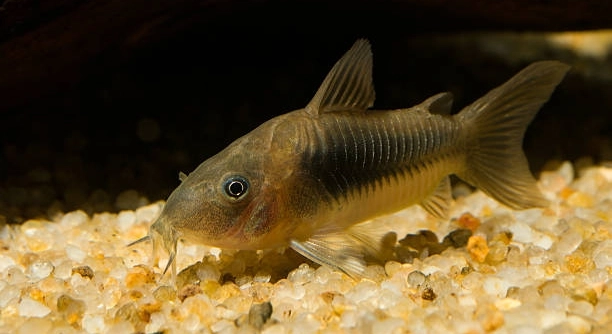
Corydoras catfish are charming aquarium dwellers that can become easily bored in a dull tank. Keeping them entertained is key to their well-being and happiness. A little creativity can go a long way in preventing boredom.
Maintaining your Corydoras catfish’s interest requires providing them with a stimulating environment. The best ways include offering varied food, using tank decorations, and providing companions to interact with. This will encourage natural behavior and keep them active.
Keeping them engaged can be easy with the right approach. Here are some ideas to keep your Corydoras happy and prevent them from getting bored in their tank.
1. Add Variety to Their Diet
Corydoras catfish are bottom-dwellers, and they enjoy foraging for food. If you feed them the same food daily, they may lose interest. Introducing new foods to their diet not only stimulates them but also provides nutritional variety. Try offering pellets, freeze-dried worms, live food, and even vegetables like blanched zucchini or spinach. They will love the opportunity to explore different flavors and textures. Adding food that sinks allows them to naturally search for it, mimicking their behavior in the wild. The change of pace keeps them engaged and helps promote healthier eating habits.
It’s important to keep their diet balanced, though. While it’s fun to offer variety, make sure the foods you choose are suitable for their digestive system. Avoid overfeeding and stick to a regular feeding schedule to prevent tank pollution.
By rotating different food types, you create an environment where your Corydoras can actively search for their meals, making feeding time more interesting and rewarding for them.
2. Add Tank Decorations for Exploration
Corydoras catfish love to explore their surroundings. Adding decorations like rocks, caves, and plants creates hiding places and gives them more to investigate. These items offer both shelter and stimulation. You could even add soft substrates like sand, which mimic their natural environment. A little creativity in the layout makes the tank feel more dynamic.
With new hiding spots and obstacles, Corydoras have more space to navigate, helping to reduce stress and keep them moving. When they feel safe to explore, their behavior becomes more natural, reducing the risk of boredom.
Having variety in their environment encourages Corydoras to swim around the tank. They’ll feel more comfortable interacting with their surroundings, which leads to a more active and healthy lifestyle. The more you provide for them, the more they’ll stay engaged and content. Plus, it’s fun to watch them dart around in their newly furnished space.
3. Provide Tank Mates
Corydoras are social fish and enjoy the company of others. Adding tank mates that are peaceful and non-aggressive will encourage them to stay active. Fish like tetras or small rasboras are ideal. These companions provide both interaction and a sense of security, as Corydoras feel more comfortable in groups. Having others around keeps them from becoming too shy or stagnant.
When choosing tank mates, consider their size and temperament. Avoid aggressive species, as they can stress out the Corydoras, leading to a more inactive lifestyle. It’s also a good idea to keep them in small schools. This way, they’ll always have someone to interact with.
The presence of tank mates can make a big difference in their overall well-being. Corydoras will swim alongside other fish and often follow their movements, which can keep them entertained and active. Make sure to monitor the dynamics regularly to ensure all species are getting along.
4. Set Up a Proper Substrate
Corydoras love to dig and sift through the substrate in the tank. Using fine sand or smooth gravel allows them to perform natural behaviors, such as searching for food or digging through the bottom. Avoid sharp materials, as they can hurt their sensitive barbels. The right substrate makes them feel more at home and less likely to become bored.
Sand is especially beneficial because it mimics the natural riverbed environment where Corydoras are commonly found. They’ll enjoy burrowing in it and sifting through the particles. Adding a layer of sand also encourages them to stay active as they explore their tank more thoroughly.
It’s essential to keep the substrate clean to prevent waste from accumulating. Regularly vacuuming the sand helps maintain water quality, which in turn ensures your Corydoras stay healthy. Proper filtration is also key to keeping the environment clean and clear, so they don’t become stressed or disinterested in their habitat.
5. Use Aquarium Toys
Aquarium toys are a fun way to keep Corydoras engaged. Floating balls, tunnels, and small rings can be placed in the tank for them to interact with. These toys add variety to the tank environment and encourage playful behaviors. Just make sure they’re safe for fish.
Many toys also offer a challenge, which stimulates the Corydoras to explore and investigate. They’ll enjoy swimming through or around the objects. Some toys can be used to hide food, giving them an extra incentive to interact. Adding a few simple toys can make a big difference in keeping them active.
6. Regular Water Changes
Corydoras thrive in clean, well-maintained water. Regular water changes not only improve water quality but also keep your fish stimulated. Fresh water can make the tank feel like a new environment, encouraging your Corydoras to explore more. Be sure to maintain consistent water parameters to avoid stress.
Changing the water also helps prevent the buildup of harmful toxins. This promotes better health and keeps your fish more active. Keeping a regular water change schedule ensures they have a comfortable, clean habitat that encourages natural behaviors, reducing the chance of them getting bored.
7. Maintain Proper Water Temperature
Corydoras need a stable water temperature to stay comfortable and active. Ideal temperatures range from 72°F to 78°F (22°C to 26°C). If the water becomes too cold or too warm, they may become sluggish or stressed. A reliable aquarium heater will help maintain the temperature.
A consistent water temperature helps Corydoras feel secure and healthy. When the tank temperature fluctuates, it can disrupt their behavior and cause discomfort. Keeping the water at a steady, appropriate temperature ensures they remain active and lively, reducing the chances of boredom and stress.
FAQ
How often should I feed my Corydoras catfish?
Feeding your Corydoras once or twice a day is generally sufficient. They don’t require as much food as other fish due to their smaller size. Be sure to feed them only what they can consume in a few minutes to avoid leftover food polluting the tank. Overfeeding can lead to water quality issues and even health problems for your fish. Offer a mix of sinking pellets, live or frozen foods, and vegetables. A varied diet will keep them happy and healthy.
Can Corydoras live alone?
Corydoras are social fish and thrive in groups. While they can technically live alone, they will feel much more secure and active when kept with other Corydoras. A small school of 4 to 6 is ideal. This helps reduce stress and allows them to engage in their natural behaviors, such as schooling and foraging. Keeping them alone can lead to boredom, and they may become more reclusive and inactive.
What is the best substrate for Corydoras?
Corydoras prefer soft, fine sand as their substrate. This allows them to sift through the sand, mimicking their natural behavior. Avoid sharp gravel, as it can damage their sensitive barbels. A soft substrate helps prevent injury and promotes healthy, active behavior. Adding plants and other decor can also create more hiding spots and keep them engaged. Keeping the substrate clean is essential, so make sure to vacuum it regularly.
How do I know if my Corydoras are bored?
Bored Corydoras may exhibit less activity, staying in one area of the tank or swimming aimlessly. They may also hide more often and show signs of stress. A bored Corydoras might stop foraging for food or exploring new areas of the tank. In a healthy environment, they should be actively swimming, searching for food, and interacting with their surroundings. If they seem lethargic, it may be time to reassess their tank setup and provide new ways to engage them.
Do Corydoras need a filter?
Yes, Corydoras need a filter to maintain a clean environment. They are sensitive to poor water quality, so a good filtration system helps keep the tank free from harmful toxins like ammonia and nitrites. Choose a filter with a gentle flow, as Corydoras prefer calm waters. A strong current can stress them out and make it difficult for them to move around. Regular water changes in addition to filtration help keep the water clean and safe for your fish.
How many Corydoras can live in a 20-gallon tank?
A 20-gallon tank can comfortably house a small school of Corydoras. Typically, a group of 4 to 6 Corydoras is ideal for this size tank. Overcrowding can lead to stress, poor water quality, and less space for the fish to swim and explore. Be sure to monitor your tank’s water parameters closely and make adjustments as needed. If you plan to add other species, ensure they are compatible with Corydoras and that there is enough space for everyone.
Can I keep Corydoras with shrimp or snails?
Yes, Corydoras can live peacefully with shrimp and snails. They are generally non-aggressive and tend to ignore smaller tank mates like shrimp and snails. Corydoras will not harm them, but they may disturb the substrate, which can cause a little disruption to bottom-dwelling snails or shrimp. It’s important to choose peaceful, non-aggressive shrimp species, like Cherry Shrimp, and make sure your snails are compatible with the tank conditions.
Why do Corydoras hide?
Corydoras are naturally shy fish, so they may hide when they feel threatened, stressed, or insecure. This could be due to a sudden change in the environment, like new tank mates or changes in water parameters. Hiding can also be a sign of illness, so it’s important to keep an eye on them. If hiding is accompanied by other symptoms like loss of appetite or discoloration, you may need to check the water quality and consider a visit to a vet or aquatic specialist. However, if they’re simply adjusting to a new tank or environment, hiding should be temporary.
How long do Corydoras live?
Corydoras catfish typically live for 5 to 10 years, depending on their care and tank conditions. Proper water quality, diet, and tank maintenance are crucial to their longevity. Keeping them in a stable, peaceful environment with proper tank mates and a clean substrate will help extend their lifespan. Regular water changes, a balanced diet, and monitoring of their behavior can contribute to a healthy, long life for your Corydoras.
Do Corydoras need to be acclimated when introduced to a new tank?
Yes, Corydoras should be acclimated when moved to a new tank. A gradual acclimation process helps them adjust to differences in temperature, pH, and salinity. This reduces the risk of shock and stress. You can acclimate them by floating the bag in the tank and slowly adding tank water over a 30-minute period. This allows them to adjust to the new water conditions. Avoid adding them too quickly to prevent stress or health issues.
Can Corydoras eat algae?
Corydoras may nibble on algae, but it doesn’t make up a significant portion of their diet. They are primarily bottom feeders, foraging for small invertebrates, detritus, and sinking pellets. While algae may occasionally appear on the substrate or decorations, they will not actively graze on it like other fish. If you want to supplement their diet, provide high-quality sinking pellets, live foods, or blanched vegetables. Algae-eating fish like snails or algae eaters can help keep the tank clean and provide additional food sources for your Corydoras.
Final Thoughts
Corydoras catfish are relatively easy to care for, but they do need a bit of attention to stay healthy and active. Providing them with a stimulating environment helps ensure they’re happy and engaged. Simple things like varying their diet, adding suitable tank mates, and keeping their space clean and comfortable can make a big difference in their well-being. They are naturally curious and social fish, so keeping them active and entertained should be a priority for any Corydoras owner.
Creating a thriving environment for your Corydoras involves a mix of good tank setup and regular maintenance. Fine sand, hiding spots, and suitable tank mates help them feel secure and reduce stress. Additionally, adding decorations and aquarium toys keeps them busy and engaged. Corydoras are bottom-dwelling fish, so giving them plenty of space to explore and forage is essential. Regular water changes and careful attention to water quality will also ensure they remain healthy and active.
Ultimately, Corydoras catfish are low-maintenance but require a bit of care to ensure they don’t become bored or stressed. By offering variety in their diet, keeping them in groups, and providing a clean and engaging tank environment, you can help your fish live a long and healthy life. Taking the time to observe their behavior and making small adjustments as needed will keep them active and happy. The more effort you put into their care, the more rewarding your experience with these playful and peaceful fish will be.

Hello,
If you enjoy the content that we create, please consider saying a "Thank You!" by leaving a tip.
Every little bit helps us continue crafting quality advice that supports the health, happiness, and well-being of pets around the world, for pets of all shapes, sizes, and species.
We really appreciate the kindness and support that you show us!