
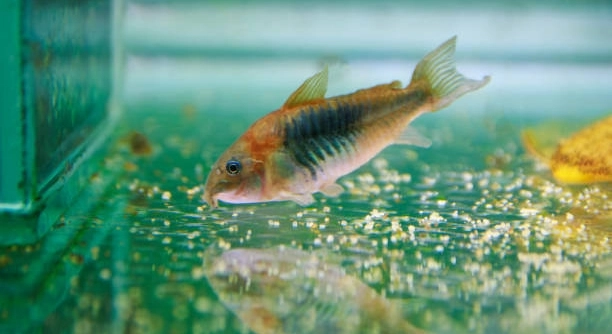
Corydoras catfish are often seen resting in the same spot for various reasons, which might concern their owners. Understanding their behavior helps ensure your fish is healthy and content in its aquarium environment.
Your Corydoras catfish might be resting in the same spot due to factors such as environmental stress, water quality issues, or simply their natural behavior. They often find comfort in familiar areas, especially if they feel secure.
Understanding these behaviors will help you maintain a healthy tank environment for your Corydoras catfish. From water quality to temperature, there are many factors to consider.
Natural Behavior of Corydoras Catfish
Corydoras catfish are bottom dwellers by nature. They prefer to stay close to the substrate of the aquarium, often hiding in the same spot for comfort. This behavior is normal and can be seen in healthy fish. These catfish are not as active as other fish species and tend to rest in areas with plenty of hiding spaces, such as under plants or rocks. They feel safest in spots where they can remain undisturbed, making it their regular resting area.
They may also return to the same spot if it’s close to a food source or if it’s a place they associate with safety. The calm nature of the Corydoras means they will typically stay in these comfortable spots for longer periods, especially when the tank is stable.
This behavior is part of their instinct to stay hidden from potential predators in their natural habitats. Though this resting may seem concerning, it is usually just a sign of contentment. Knowing that they feel safe and secure in their environment is reassuring for any fish owner.
Tank Conditions
Water quality plays a significant role in Corydoras catfish behavior.
If the water conditions aren’t ideal, such as poor filtration or imbalanced temperature, Corydoras may rest in one spot more frequently. In poor conditions, they seek comfort and less movement to conserve energy. Poor water can cause stress, prompting them to remain stationary. If your Corydoras catfish starts resting in the same spot, it’s important to check the water parameters, like ammonia, nitrites, and pH levels. It’s also wise to monitor temperature and hardness.
Stable water conditions are essential for Corydoras catfish to feel at ease. They prefer well-filtered tanks with clear water and a temperature range of 72-78°F (22-26°C). Changes in these factors may stress them, leading to a more passive behavior. Stress from poor water quality often results in lethargy, which can make the fish appear to be stuck in one spot. Regular water changes and proper filtration will keep your Corydoras active and comfortable. Always ensure that your tank’s environment is consistent to prevent stress and other health issues.
Overcrowding or Tankmates
Overcrowding is another factor to consider.
Too many fish in the tank can lead to stress. If the Corydoras feel crowded, they may retreat to a quiet spot to avoid interaction. Corydoras are peaceful and prefer being with calm tankmates. When other fish in the tank are too active, territorial, or aggressive, your Corydoras catfish may stay in one spot to stay out of their way.
Fish that constantly swim around or pick at the bottom can cause stress for the Corydoras. They are more likely to retreat to a secure spot if the tank is overpopulated. To keep the balance, make sure there is enough space for each fish to feel safe. It’s always best to choose peaceful tankmates like other bottom dwellers, small peaceful fish, and avoid larger or overly aggressive species. This will reduce stress and promote healthy behavior in your Corydoras.
Illness or Injury
Sometimes, your Corydoras might be resting in the same spot due to illness or injury.
Like any fish, Corydoras can develop health issues that make them more sedentary. If your catfish is showing signs of abnormal behavior, such as excessive resting or refusal to eat, it may be worth checking for signs of illness. Parasitic infections, bacterial infections, or injuries from rough tankmates can all lead to them staying still.
A common issue with Corydoras is external parasites or fungal infections, which can cause discomfort and a lack of activity. If you notice any external signs such as cloudy eyes, damaged fins, or abnormal growths, it’s time to quarantine the fish and start treatment. Additionally, injuries from sharp tank decorations or bullying from other fish can also make them rest in one spot. Make sure the tank environment is safe, and regularly inspect your Corydoras for any signs of illness or injury.
Temperature Fluctuations
Temperature fluctuations can affect Corydoras behavior.
These catfish are sensitive to sudden changes in temperature. If the water temperature drops too low or increases too quickly, it can cause stress. Corydoras catfish prefer stable temperatures and may rest more often if they are uncomfortable. Maintaining a consistent temperature is essential for their well-being.
Even small shifts in temperature can impact your Corydoras, making them more lethargic and prone to staying in one spot. If your tank’s heater is malfunctioning, or the room temperature fluctuates significantly, this could explain why your fish is resting in the same area. Regularly check the temperature and adjust the heater settings as needed to keep your Corydoras comfortable. If they feel too warm or too cold, they’ll naturally seek a resting place to conserve energy.
Lack of Stimulation
Corydoras catfish are bottom dwellers and don’t need constant activity. However, a lack of stimulation can lead to them staying in one spot.
If there are no hiding places, decorations, or live plants to explore, Corydoras may become bored and settle into one spot for long periods. Unlike more active fish, these catfish thrive in environments with hiding spaces where they can forage for food or rest. If your tank is too bare, they might not feel motivated to move around. Adding plants, rocks, or driftwood can provide them with more natural stimulation and encourage them to explore different areas of the tank.
Another reason they may rest in one spot is because the environment lacks variety. Corydoras are naturally curious and will engage with different areas of their tank if it feels safe. Without interesting areas to investigate, they may not feel the need to move. By adding new hiding spots or tank decorations, you can encourage your catfish to explore more, making them feel more active and engaged. A dynamic environment with new elements can also help prevent them from becoming too sedentary or stressed.
Overfeeding
Overfeeding can make Corydoras less active.
Excess food in the tank can lead to poor water quality and excess nutrients, which might cause Corydoras to rest more often. Overfed fish don’t feel the need to search for food, and this lack of movement can make them appear lethargic.
Feeding your Corydoras too much can cause them to become sluggish as their natural foraging instincts diminish. When they are fed excessive amounts, they become less active, often staying in the same spot. This can also lead to health problems, such as bloating or digestive issues, which could further contribute to their lack of movement. It’s important to provide food in moderation, only what they can consume in a few minutes, to keep them healthy and active.
Excess food may also contribute to water quality issues, creating an environment where Corydoras feel uncomfortable. Poor water quality is a known stressor for fish, causing them to rest more often to conserve energy. Regularly remove uneaten food and monitor water quality to ensure your Corydoras remains active and healthy.
Stress from Tank Maintenance
Regular tank maintenance is necessary for a healthy aquarium, but the process can stress your Corydoras catfish.
Routine cleaning, water changes, and tank rearrangement can disturb the fish’s environment. Corydoras are naturally shy and may retreat to one spot when they feel threatened or unsettled. Even small changes, like moving decorations or adjusting water flow, can stress them out.
Although tank maintenance is essential, it’s important to minimize disruptions. Perform water changes slowly and avoid major shifts in the tank layout. This can help your Corydoras feel secure. During maintenance, it’s best to keep the tank lights dim and try not to disturb the fish too much. If necessary, move them to a temporary quarantine tank until the maintenance is complete.
Stress can lead to lethargy, and your Corydoras might appear motionless or rest in the same spot for extended periods. To minimize stress, perform maintenance in small, gradual steps and always keep an eye on their behavior afterward. Giving them a calm environment will encourage natural, healthy activity.
Old Age
As Corydoras get older, their behavior may change. Older fish tend to be less active and may rest more frequently in the same spot.
This decrease in movement is normal as they reach their later years. While they were once active and curious, aging Corydoras may prefer staying still to conserve energy. Don’t worry if your older fish seems more sedentary.
They may still be healthy despite appearing less active. Providing them with a stable environment and a quiet, stress-free space can help keep them comfortable during their later years. Even with reduced movement, they still need proper care and attention.
Breeding Behavior
Corydoras can rest more often during breeding.
When Corydoras are preparing to breed, they can become more sedentary. They may stay in one spot for extended periods, especially if they’ve found a safe and quiet area to lay eggs. This resting behavior often happens when females are ready to spawn.
During this time, it’s important to ensure the tank conditions are optimal. Proper temperature, clean water, and gentle water flow will help support the breeding process. Adding plants or structures where the fish can lay eggs also gives them a secure environment, which encourages successful breeding.
Water Current
Corydoras prefer calm water, and strong currents can make them more likely to stay in one place.
If the water flow in your aquarium is too strong, Corydoras will seek calmer areas, often resting in one spot. Strong currents may tire them out, and they may not have the energy to move around much. Adjusting the flow can make a big difference.
FAQ
Why is my Corydoras catfish not moving much?
Corydoras catfish may not be moving much due to several factors, including stress, poor water quality, temperature fluctuations, or simply their natural behavior. These fish are known for their calm demeanor and may prefer to stay in one spot, especially if they feel safe. If they’re not moving, it could indicate that they are feeling secure in their environment or are possibly stressed due to changes in water conditions. Check water parameters such as ammonia, nitrate, and pH levels to ensure they are within the optimal range. A comfortable temperature is also essential.
How can I tell if my Corydoras catfish is sick?
Signs of illness in Corydoras catfish can include changes in behavior, such as excessive lethargy, refusal to eat, or staying in one spot for too long. Physical symptoms can also appear, such as cloudy eyes, torn fins, visible lesions, or an unusual change in color. If you notice any of these signs, it’s important to monitor your fish closely. Quarantine the fish if necessary and consider seeking medical treatment or adjusting water parameters to reduce stress. Illnesses like fungal or bacterial infections can often be treated with medications specifically designed for freshwater fish.
Is it normal for Corydoras catfish to rest in one spot all the time?
While Corydoras catfish do enjoy resting, staying in one spot all the time may not be normal, especially if they are active under normal conditions. If your fish seems excessively still or lethargic, it’s worth investigating further. Stress, poor water quality, or changes in the tank environment could be influencing their behavior. However, if your Corydoras catfish is simply resting in a safe spot and occasionally foraging, this could just be a sign that they feel secure. Always ensure they have plenty of hiding spaces and check water parameters regularly.
Can Corydoras catfish be kept with other fish?
Yes, Corydoras catfish are peaceful and can be kept with a variety of other fish species. They typically do well in community tanks, especially with other non-aggressive bottom dwellers or peaceful fish. However, it’s important to avoid tankmates that are overly aggressive or that might bully the Corydoras, as this can cause them stress. Tankmates like small tetras, guppies, or rasboras are ideal. Ensure the tank has plenty of hiding spots, as Corydoras feel more secure when they have places to retreat to.
What type of tank setup do Corydoras catfish need?
Corydoras catfish thrive in a tank with soft substrate, such as sand or fine gravel, as they spend a lot of time on the bottom. They also need plenty of hiding spaces, such as plants, driftwood, and rocks. The water should be well-filtered, with a gentle current, as Corydoras prefer calm waters. They need a stable temperature between 72-78°F (22-26°C) and a pH level of 6.0 to 7.5. Regular water changes are also necessary to keep their environment clean and healthy.
How often should I feed my Corydoras catfish?
Corydoras catfish should be fed once or twice a day, with only as much food as they can consume in about 2-3 minutes. Overfeeding can lead to water quality issues, which can stress your fish. They are bottom feeders and will often scavenge for leftover food, but you can supplement their diet with sinking pellets, live or frozen foods like bloodworms or brine shrimp. It’s important to remove any uneaten food after a few minutes to prevent it from degrading the water quality.
What is the lifespan of Corydoras catfish?
Corydoras catfish typically live for around 5-10 years in a well-maintained aquarium. Their lifespan can vary depending on water conditions, diet, and overall tank care. To help your Corydoras live a long, healthy life, provide a stable and clean environment with proper water parameters, adequate space, and a varied diet. Regularly monitor water conditions and address any potential health issues quickly.
Can Corydoras catfish live with shrimp?
Yes, Corydoras catfish can live with shrimp. In fact, they often coexist peacefully in the same tank. Corydoras are bottom-dwellers, and shrimp tend to stay at different levels in the tank, so they generally don’t interfere with each other. However, be cautious if you have very small or baby shrimp, as Corydoras may inadvertently disturb them while scavenging. Make sure to provide plenty of hiding spaces and live plants to give the shrimp places to escape to if they feel threatened.
Do Corydoras catfish need to be kept in groups?
Yes, Corydoras catfish are social fish and should be kept in groups of at least 3-5 individuals. They feel more secure and are more likely to exhibit natural behaviors when they have companions. Being in a group also helps reduce stress, as they tend to engage in group activities like swimming and foraging. A solitary Corydoras may feel more vulnerable, which can lead to anxiety and a decrease in activity. A small school of Corydoras can create a peaceful and balanced environment in your tank.
Why is my Corydoras catfish hiding all the time?
Hiding is a natural behavior for Corydoras catfish, especially if they are feeling stressed or insecure. They often retreat to hiding spots when they need rest or when they are unsure of their surroundings. However, if your Corydoras is constantly hiding and not coming out to eat or interact, it could be due to poor water quality, aggressive tankmates, or an illness. It’s important to assess the environment and look for any changes that could be causing them stress. Provide enough hiding spots and check water parameters to make sure your Corydoras feels comfortable.
Final Thoughts
Corydoras catfish are generally peaceful and calm creatures, known for spending much of their time resting. If you notice your Corydoras resting in the same spot frequently, it’s important to understand that this behavior is often normal. These fish enjoy hiding in secure areas and don’t always need to be active. However, if they’re staying still for long periods or not eating, it might be worth investigating the water quality, temperature, and overall tank environment. Ensuring that their habitat is clean and comfortable can help your Corydoras feel more secure and less likely to remain inactive.
Stress, poor water conditions, overcrowding, or tankmates that aren’t a good fit can cause Corydoras to become more sedentary. If your Corydoras seems less active than usual, it’s a good idea to check the water parameters, as changes in the environment can impact their behavior. Water quality is crucial for their health. Ensuring the water is properly filtered, the temperature is stable, and that the pH is within the ideal range will help keep your fish healthy and active. Additionally, providing hiding spots and enriching the tank with plants and decorations can offer both security and stimulation, encouraging natural behavior.
While it’s normal for Corydoras to rest in the same spot from time to time, excessive stillness can be a sign of an underlying issue. Regular monitoring of your fish and the tank’s conditions will help you detect any problems early. Whether it’s an illness, injury, or simply a need for a better environment, being proactive about your Corydoras’ needs will ensure they thrive. By maintaining a balanced, peaceful aquarium and paying attention to their behavior, you’ll create the best conditions for your Corydoras catfish to live a long, healthy life.

Hello,
If you enjoy the content that we create, please consider saying a "Thank You!" by leaving a tip.
Every little bit helps us continue crafting quality advice that supports the health, happiness, and well-being of pets around the world, for pets of all shapes, sizes, and species.
We really appreciate the kindness and support that you show us!