
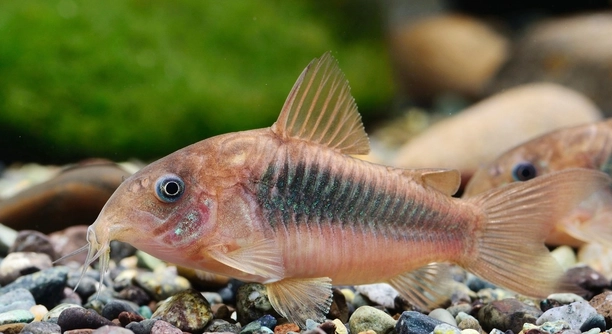
Is your Corydoras catfish sitting in one spot for long periods, and you’re starting to feel unsure about what it means?
Corydoras catfish may hover in one spot due to stress, illness, poor water conditions, or natural resting behavior. Environmental changes, oxygen levels, and social dynamics can also contribute to this behavior.
By looking into these seven possible reasons, you’ll gain a clearer idea of what’s going on and how to keep your Cory happy and healthy.
Poor Water Quality
Poor water quality is one of the main reasons Corydoras catfish may hover in one spot. These fish are very sensitive to changes in their environment. High levels of ammonia, nitrites, or nitrates can stress them out and affect their behavior. If your tank hasn’t been cleaned in a while or your filter isn’t working properly, it could be causing problems. A lack of oxygen in the water can also make them stay in one area, especially near the bottom or where oxygen flow is better. Regular testing is important to keep water levels safe and stable for them.
Dirty water can quickly affect their health. You might see them breathing faster, swimming less, or acting more nervous than usual.
Keeping your Corydoras healthy starts with checking the water. Test your tank regularly for ammonia, nitrites, and nitrates. Do partial water changes weekly and make sure your filter is running smoothly. Using a gentle air stone can also help keep oxygen levels up. Don’t forget to dechlorinate tap water before adding it. Staying on top of these basic care steps will help prevent hovering and many other issues. A clean tank creates a stable, calm space for your fish to move around freely and act normally without stress or discomfort.
Lack of Oxygen
Corydoras rely on well-oxygenated water. If oxygen is low, they may stay still near the bottom or surface to breathe more easily.
Check for signs like gasping at the surface or staying near filter outflows. These behaviors often mean your tank isn’t getting enough oxygen. Overcrowding, high temperatures, or poor circulation can reduce oxygen levels quickly. Warm water holds less oxygen, and too many fish increase demand. Make sure your filter provides strong surface movement, or add an air pump with a stone for better oxygen exchange. Live plants can also help during the day, but be careful, as they consume oxygen at night. Keeping your tank at a steady, appropriate temperature also helps. A simple thermometer can alert you if the water gets too warm. Monitoring your tank and making small adjustments can go a long way in keeping your Corydoras active and comfortable.
Stress From Tank Mates
Aggressive or overly active tank mates can cause stress, making Corydoras catfish freeze or stay in one place. They may hide or avoid areas where they’ve felt threatened before, especially in crowded or mismatched tanks.
Corydoras are peaceful bottom-dwellers that do best with calm species. If they’re housed with fin-nippers or large, fast-swimming fish, they can become anxious and stop exploring. Constant chasing or bumping from other fish may force them to stay still to avoid confrontation. Keeping them in groups of their own kind helps, as they are social and feel safer in numbers. When choosing tank mates, try to avoid aggressive or territorial fish. Instead, go for other peaceful species that won’t compete for the bottom space. Reducing stress from tank mates can help your Corydoras feel safe enough to move around normally.
If you suspect stress is the issue, observe your tank closely. Are other fish darting around the Corys, pecking at them, or claiming too much space? Even small signs of tension can be a big deal over time. If needed, rearrange decorations to create hiding spots and break up sightlines. You can also separate incompatible fish into another tank. Once the stressor is gone, you may notice a change in behavior. Your Corydoras might start swimming more, foraging, and showing signs of comfort again.
Natural Resting Behavior
Sometimes, Corydoras hover in one spot simply because they are resting. These catfish take breaks throughout the day, especially if the environment is calm and safe. Staying still doesn’t always mean something is wrong.
It’s completely normal for Corydoras to rest after feeding or during quiet hours. They may choose one spot near plants, driftwood, or corners of the tank where they feel secure. If they’re not gasping, losing color, or showing other signs of illness, it’s likely just part of their routine. Unlike many fish that stay in motion, Corydoras will often pause for extended periods, especially if tank lighting is low. Gentle breathing and slight fin movement are signs they are just resting. As long as they’re eating well and swimming normally at other times, there’s no need to worry. Just make sure they have soft substrate and shaded areas to support natural behavior.
Illness or Injury
If your Corydoras is hovering more than usual, illness could be the reason. Internal parasites, infections, or swim bladder issues often affect their movement. Watch for signs like clamped fins, loss of appetite, or unusual bloating.
Injuries from rough tank décor or aggressive tank mates may also cause them to stay still. A damaged fin or scale loss can make movement uncomfortable. Keeping the tank clean and stress levels low will support healing.
Temperature Issues
Corydoras prefer stable temperatures between 72°F and 78°F. Sudden drops or overheating can stress them out, making them rest more or stay still. If the tank is too cold, their metabolism slows, and they become less active. Too warm, and oxygen levels may drop, leading to hovering behavior. Always use a reliable aquarium thermometer and avoid placing the tank near windows, heaters, or vents. If you’re adjusting the temperature, do it slowly. Sudden shifts can be more harmful than a slightly off temperature. Stable conditions help your Corydoras stay comfortable and active throughout the day.
New Environment
A recent tank change or move can make Corydoras stay in one spot. They need time to adjust to new surroundings and settle into a routine.
Why is my Corydoras catfish staying at the surface of the tank?
If your Corydoras is spending time near the surface, it could be due to low oxygen levels in the water. Corys rely on well-oxygenated water to breathe comfortably, and if the tank’s oxygen supply is low, they will move closer to the surface to access more air. In this case, it’s important to check the water temperature and quality, as warm water and poor filtration can contribute to this issue. Consider adding an air stone or improving surface agitation with a stronger filter to boost oxygen levels. Ensuring a stable environment is key to making them feel at ease.
How can I tell if my Corydoras is sick or just resting?
It can be tricky to distinguish between resting and illness, but there are key signs to watch for. If your Corydoras is still active at feeding times, swimming normally, and doesn’t show signs of breathing difficulty, it’s likely just resting. However, if they seem lethargic, have clamped fins, or exhibit abnormal swimming behavior like floating at an odd angle or being unable to control their movements, it could be a sign of illness. It’s also worth checking for visible signs like bloating, discoloration, or skin lesions, which could indicate a health issue. If these symptoms appear, quarantine your fish and consult a vet or aquatic expert.
Can Corydoras catfish survive in cold water?
Corydoras are tropical fish, meaning they prefer water temperatures between 72°F and 78°F. Cold water can slow down their metabolism, leading to reduced activity. Prolonged exposure to temperatures below 68°F can stress them and may result in illness. If you live in a cooler climate, it’s essential to use a reliable aquarium heater to maintain stable, warm water. Consistent temperature control is crucial for their well-being. If the water is too cold, they may become lethargic or stop moving altogether, potentially leading to further complications like weakened immune systems or poor digestion.
Should I be worried if my Corydoras is staying in one spot all day?
If your Corydoras is staying in one spot all day but shows no signs of illness, it may just be resting. Corydoras are naturally more active at night and tend to find secure spots to rest during the day. However, if they’re not eating, showing signs of distress, or if the hovering behavior is accompanied by labored breathing or discoloration, it’s time to investigate further. Always consider factors like water quality, temperature, and tank mates, as stress from environmental factors or aggressive fish can cause them to stay still for long periods. Make sure the environment is suitable for your Corydoras and observe them closely to see if their behavior changes.
Can Corydoras live with other fish?
Corydoras are peaceful fish and generally do well in community tanks with other calm species. They prefer being in groups of their own kind, but they also get along with other non-aggressive fish. However, large or territorial fish can stress them out and even cause them to stay hidden or hover in one spot. Fish that nip fins or chase them can lead to this behavior. Avoid keeping them with overly active or large species that might outcompete them for food or territory. If you have the right mix of peaceful tank mates, Corydoras will thrive.
How can I make sure my Corydoras are happy and active?
To keep your Corydoras happy and active, maintain a clean, stable environment with good water quality and proper oxygen levels. Regular water changes are essential to remove waste and toxins that could harm them. Keep the temperature between 72°F and 78°F, and avoid drastic changes in water conditions. A well-maintained filter will help keep the water clear, but make sure the current isn’t too strong for your Corys to handle. You should also provide plenty of hiding spots and soft substrate, as Corydoras like to burrow. Lastly, make sure they are fed a balanced diet with high-quality food. Keeping their environment stress-free and enriching will help your Corys stay active and healthy.
Do Corydoras need to be in schools?
While Corydoras can live alone, they are much happier and more confident in groups. Corys are social fish, and being in a school of at least 3-5 of their own kind helps them feel safe and reduces stress. In the wild, they live in large schools, and having a group in the tank mimics this natural behavior. When kept alone, Corydoras may become more skittish, and their health could suffer from loneliness. A group of Corys will interact with each other and feel more comfortable exploring their environment. If you notice your Corys being shy or more stationary, increasing their group size may encourage them to be more active.
What should I do if my Corydoras is acting aggressively?
Corydoras are peaceful by nature and rarely show aggression, but territorial disputes can occasionally happen in overcrowded tanks. If your Cory is displaying aggressive behavior, like chasing or nipping at tank mates, it could be due to stress or a lack of space. Ensure the tank is large enough for all inhabitants and has enough hiding spots for the Corydoras to retreat when needed. Aggression could also be a sign of illness or discomfort. If your Corys are constantly fighting or showing signs of distress, consider re-arranging the tank layout, or even separating overly aggressive fish. Adjusting the environment can often help resolve this issue.
How often should I feed my Corydoras?
Corydoras are bottom feeders and prefer sinking pellets or foods that fall to the tank floor. They typically do well with one or two feedings per day, but it’s important to avoid overfeeding. Leftover food can degrade water quality, which stresses Corys and other tank inhabitants. Offer a balanced diet of pellets, live or frozen foods like bloodworms or brine shrimp, and occasional plant matter. Monitor how much food is eaten during each feeding session and remove any excess to prevent water contamination. Keeping their diet varied and on a consistent schedule will help maintain their health and activity levels.
Corydoras catfish are generally hardy and easy to care for, but like all fish, they can show unusual behavior if something is off in their environment. If your Corydoras is hovering in one spot, it’s important to consider several factors like water quality, temperature, and tank mates. The most common reasons for this behavior are poor water conditions, stress, or natural resting habits. By paying attention to these details, you can create a stable and comfortable environment that encourages your Corydoras to stay active and healthy.
One of the best ways to address any issues is by maintaining a regular cleaning schedule. Testing the water frequently for ammonia, nitrites, and nitrates will help you catch any problems before they become serious. Keeping the water temperature within the ideal range for Corydoras, typically between 72°F and 78°F, is also crucial. If oxygen levels are low, a simple air stone or a more efficient filter can improve their comfort. Lastly, having the right tank mates can make a significant difference in your Cory’s well-being. Aggressive fish or overly active tank mates can stress your Corys and cause them to hide or stay still for longer periods.
If you’ve ruled out environmental factors and your Corydoras still seems inactive, it’s worth considering other aspects of their health. Illness or injury can sometimes cause fish to hover, and early intervention is key to their recovery. However, remember that some rest is natural for Corydoras, especially after eating or during the night. By being attentive to your Cory’s behavior and needs, you’ll ensure they stay happy and healthy in their tank. Whether you’re addressing a water issue or adjusting their living situation, taking a proactive approach will help you maintain a peaceful and thriving aquarium for your Corydoras catfish.

Hello,
If you enjoy the content that we create, please consider saying a "Thank You!" by leaving a tip.
Every little bit helps us continue crafting quality advice that supports the health, happiness, and well-being of pets around the world, for pets of all shapes, sizes, and species.
We really appreciate the kindness and support that you show us!