
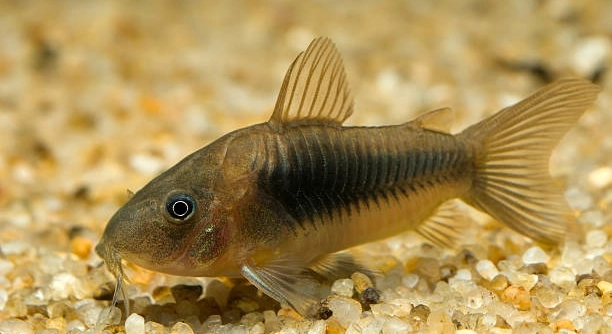
Corydoras catfish are small, peaceful fish that make great additions to aquariums. Keeping them happy in a small tank requires attention to detail, as their needs can be more specific than larger fish. Proper care is essential for their well-being.
To keep Corydoras catfish happy in a small tank, focus on water quality, temperature, tank mates, and tank environment. Regular water changes, gentle filtration, and providing hiding spots will ensure they thrive. Keep them in groups and offer a suitable substrate.
There are simple but important steps to take when creating an ideal space for your Corydoras catfish. Maintaining their comfort is crucial to helping them flourish in smaller tanks.
Maintaining Water Quality
Maintaining clean water is essential for Corydoras catfish, especially in smaller tanks where water can quickly become polluted. Regular water changes are key to keeping toxins like ammonia and nitrites at bay. Use a water testing kit to monitor the levels of these chemicals. Ideally, change about 20-25% of the water every week. This helps maintain a stable environment for the fish to thrive. Ensure that the water is treated to remove chlorine or chloramine, as these chemicals can harm your fish.
For the filtration system, choose one that provides gentle water movement. Corydoras are sensitive to strong currents, which could stress them out. A sponge filter works well, providing the necessary filtration without disrupting the tank’s calm atmosphere.
A stable and clean environment encourages healthy, active fish. Regular maintenance helps prevent diseases and ensures your Corydoras catfish remain happy and vibrant.
Temperature Control
Corydoras catfish need water that stays between 72°F and 78°F. Temperatures outside this range can cause stress or illness. A reliable aquarium heater ensures that the tank maintains a steady temperature.
It’s also important to monitor the temperature with a thermometer to avoid fluctuations that could harm the fish. Extreme temperatures can lead to weakened immune systems or even death. Corydoras, being tropical fish, rely on warmth for proper digestion and overall health. Keeping the water temperature consistent will help them stay comfortable and active.
Substrate and Tank Environment
Corydoras catfish prefer soft, sandy substrate for their tanks. Gravel can be too rough on their sensitive barbels, causing injury. Sand allows them to dig and forage naturally, which is important for their well-being. Make sure the sand is smooth and fine.
A well-planted tank offers both hiding spots and a more natural environment for your catfish. Plants like Java moss or Anubias are good choices. You can also add driftwood, which not only provides shelter but also releases tannins into the water, helping to maintain water quality. Keep in mind that Corydoras prefer low-light conditions.
An uncluttered, peaceful tank helps Corydoras feel secure. Avoid overcrowding with other species, as it can cause stress. Keeping the water clean and maintaining a balanced tank setup creates an environment where Corydoras can thrive and stay active.
Choosing Tank Mates
When selecting tank mates, go for peaceful species that won’t compete for food or bully your Corydoras catfish. Small, non-aggressive fish like tetras, guppies, or rasboras are ideal companions. Avoid any species known for being fin-nippers or overly territorial.
Overcrowding can also increase stress levels. Always ensure there is plenty of space for all tank inhabitants to avoid conflict. Corydoras prefer to be kept in groups of at least six, as this makes them feel safer and more comfortable. Avoid aggressive tank mates, such as cichlids, which could cause undue stress. When choosing tank mates, remember that the goal is a peaceful environment for everyone.
In addition, choose fish that won’t fight for food. Corydoras are bottom dwellers and prefer to sift through the substrate for food. Avoid species that eat quickly or aggressively, as your catfish may be overlooked.
Feeding Corydoras Catfish
Corydoras are bottom feeders, so make sure to feed them sinking pellets or specialized catfish food. They also enjoy occasional treats like bloodworms, brine shrimp, or earthworms. Offer a variety of foods to keep them healthy and engaged.
Feed small amounts twice a day, ensuring they have enough time to forage and clean the tank. Overfeeding can lead to water quality issues, as leftover food decomposes. Always remove any uneaten food after a few hours to prevent tank pollution.
Corydoras are opportunistic feeders, so varying their diet is important. This helps provide them with the nutrients they need for good health and growth.
Water Parameters
Maintain water parameters within a specific range to ensure your Corydoras catfish stay healthy. The pH level should be between 6.5 and 7.5, and the water hardness should be soft to moderately hard.
Test the water regularly to ensure these levels remain stable. Rapid fluctuations can cause stress, leading to illness or reduced lifespan. A stable, consistent environment is the key to their long-term health.
Tank Size and Space
Even in a small tank, Corydoras need enough space to move around comfortably. A tank size of at least 10 gallons is recommended for a small group.
While they can live in smaller tanks, providing extra space ensures better water quality and helps prevent stress. A larger tank also allows you to create a more natural environment with plenty of hiding spots and plants.
FAQ
What do Corydoras catfish eat?
Corydoras catfish are primarily bottom feeders, so they enjoy sinking pellets or granules designed for catfish. They also appreciate occasional treats like bloodworms, brine shrimp, or finely chopped earthworms. Make sure to feed them a varied diet to meet their nutritional needs. A good balance of protein and plant matter is ideal for their health.
How often should I feed my Corydoras catfish?
Feed Corydoras catfish twice a day, offering only as much food as they can consume in about two hours. It’s important not to overfeed, as this can lead to poor water quality. Uneaten food should be removed promptly to prevent contamination.
Can Corydoras catfish live with other fish?
Yes, Corydoras are peaceful and social fish that do well with other non-aggressive species. Good tank mates include tetras, guppies, and small rasboras. Avoid keeping them with fin-nippers or aggressive fish like cichlids. Ensure there is enough space in the tank for everyone.
How many Corydoras should I keep together?
Corydoras are social fish and thrive when kept in groups of at least six. A small school helps reduce stress and encourages natural behaviors. In larger tanks, you can keep even more. They will feel more secure and comfortable when surrounded by their own kind.
What water conditions do Corydoras catfish need?
Corydoras thrive in slightly acidic to neutral water with a pH range between 6.5 and 7.5. The water should be soft to moderately hard. Regularly test the water to ensure these parameters stay consistent. Stability is key for their well-being.
Do Corydoras catfish need a heater?
Yes, Corydoras are tropical fish and need a consistent water temperature between 72°F and 78°F. A heater helps maintain the temperature within this range. Fluctuations outside this range can lead to stress and health problems.
Are Corydoras catfish good for a small tank?
Corydoras are a great choice for smaller tanks, provided there is enough space and a proper setup. A tank size of at least 10 gallons is recommended for a small group. The water quality must be carefully monitored to keep them healthy in smaller environments.
How do I maintain water quality for Corydoras catfish?
Frequent water changes are essential to maintain water quality. Aim to change 20-25% of the water weekly. Use a sponge filter or gentle filtration system to avoid disturbing the tank’s calm environment. Regularly test the water for ammonia, nitrites, and nitrates to keep levels safe.
Can Corydoras catfish live with shrimp or snails?
Yes, Corydoras can live peacefully with shrimp and snails. They won’t harm them, as they are bottom dwellers that mainly search for food in the substrate. However, be mindful of larger or more aggressive snails that may outcompete them for food.
How do I care for the substrate in a Corydoras tank?
Use fine, smooth sand as the substrate for your Corydoras tank. Gravel can harm their sensitive barbels as they sift through the substrate. Sand allows them to forage naturally, and it’s easier to clean. Regularly remove debris from the surface to prevent buildup.
Why are my Corydoras catfish not eating?
There are several possible reasons for this. Stress from poor water conditions, aggressive tank mates, or water temperature fluctuations can cause Corydoras to lose their appetite. Check water quality, and ensure the tank is peaceful. If the problem persists, consult a vet for further advice.
Can Corydoras catfish live in a tank without a filter?
It’s not recommended to keep Corydoras in a tank without a filter. A filter helps maintain water quality by removing waste and toxins. Without proper filtration, the water can quickly become polluted, leading to health problems for your fish. If you don’t want a strong current, use a sponge filter for gentle filtration.
How do I tell if my Corydoras are stressed?
Stressed Corydoras may exhibit erratic swimming, hiding more than usual, or becoming less active. They may also lose their appetite. Check the water parameters and tank conditions to identify possible sources of stress. Ensure there are no aggressive tank mates, and provide plenty of hiding spots.
What temperature do Corydoras catfish prefer?
Corydoras are tropical fish, so they prefer a water temperature between 72°F and 78°F. Temperatures below this range can cause stress, while higher temperatures can lead to oxygen depletion. A stable temperature is crucial for their overall health.
Do Corydoras catfish need plants in their tank?
While not a strict necessity, plants are highly beneficial for Corydoras catfish. They provide hiding spots, which help the fish feel secure. Plants also improve water quality by absorbing excess nutrients. Java moss, Anubias, and Amazon sword are excellent plant options for Corydoras tanks.
How can I prevent my Corydoras from getting sick?
To prevent illness, maintain stable water conditions by testing the water regularly and performing frequent water changes. Ensure the tank is clean, the temperature is stable, and the fish have a proper diet. Minimize stress by avoiding aggressive tank mates and overcrowding.
Do Corydoras catfish need to be in groups?
Yes, Corydoras are social animals and should be kept in groups. A school of at least six Corydoras helps them feel secure and reduces stress. They naturally exhibit social behaviors when kept in groups, which contributes to their overall happiness and health.
What is the lifespan of Corydoras catfish?
Corydoras catfish typically live for 5 to 7 years, although with proper care, some may live even longer. Providing a stable, clean environment with appropriate food and tank mates will help them reach their full lifespan.
Why are my Corydoras swimming at the top of the tank?
If your Corydoras are swimming at the top, it could indicate a problem with the water quality, particularly low oxygen levels. Check the filtration system and ensure that the tank is well aerated. They may also be stressed from environmental factors like sudden temperature changes.
How do I acclimate new Corydoras to my tank?
Acclimate new Corydoras slowly to avoid shock. Float the bag in the tank to equalize the temperature, and then gradually add small amounts of tank water into the bag every 15-20 minutes for about an hour. Release the fish gently into the tank once acclimated.
Can Corydoras catfish live with Betta fish?
It’s not ideal to house Corydoras with Betta fish, especially males. Bettas are territorial and may become aggressive toward Corydoras. If you do choose to house them together, ensure the tank is large enough, and monitor the Betta’s behavior closely to avoid conflict.
Final Thoughts
Caring for Corydoras catfish in a small tank can be a rewarding experience. These peaceful, bottom-dwelling fish thrive in well-maintained environments, where they can explore the substrate and interact with their surroundings. They are relatively easy to care for, but maintaining proper water quality, temperature, and tank conditions is key to keeping them healthy and happy. A balanced diet and the right tank mates will also help your Corydoras thrive in the long run.
Remember, the size of the tank plays a significant role in how comfortable your fish will be. While Corydoras can adapt to smaller tanks, the larger the tank, the easier it is to maintain stable water conditions. A properly filtered tank with soft, fine sand and plenty of hiding spots will help your Corydoras feel safe and secure. Grouping them in schools of at least six will reduce stress and encourage natural behaviors, making them more active and comfortable in their environment.
By carefully monitoring water parameters, providing a varied diet, and maintaining a peaceful tank, you can ensure that your Corydoras catfish will live a healthy and fulfilling life. Their low-maintenance nature makes them an excellent choice for beginners and experienced aquarists alike. With the right care, your Corydoras will not only thrive in your tank but will also add to the beauty and harmony of your aquarium.

Hello,
If you enjoy the content that we create, please consider saying a "Thank You!" by leaving a tip.
Every little bit helps us continue crafting quality advice that supports the health, happiness, and well-being of pets around the world, for pets of all shapes, sizes, and species.
We really appreciate the kindness and support that you show us!