
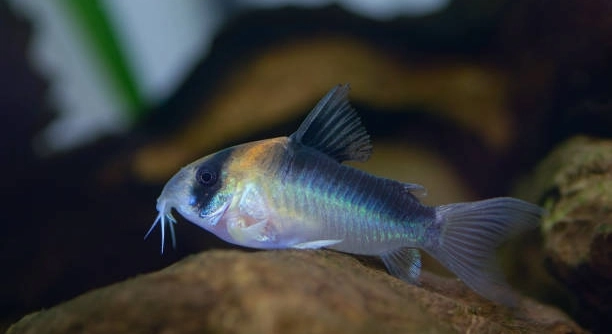
Are your Corydoras catfish acting more like loners than lively schoolers? You’re not alone in noticing this unusual behavior.
Corydoras catfish may avoid schooling due to stress, incompatible tank mates, poor water quality, illness, or differences in species or size. These factors can disrupt their natural instincts and make them hesitant to group together.
Learning what’s behind their behavior can help you create a better tank environment and encourage healthier interactions.
They Feel Unsafe in Their Environment
Corydoras catfish are peaceful by nature and rely heavily on their surroundings to feel secure. If the tank is too bright, lacks hiding spots, or has too much movement, they may scatter rather than school. A stressed fish will act differently, often preferring to hide or stay still rather than join a group. Overcrowding or the presence of larger, aggressive species can also cause fear. In these conditions, your Corydoras may not behave as expected. Providing a comfortable environment with soft lighting, plants, and hiding areas will help them feel more at ease and promote schooling.
A calm and consistent environment helps these fish feel safe enough to swim in groups.
When you start noticing them hanging out in corners or swimming alone, take a moment to assess the tank setup. Sometimes it’s as simple as rearranging decorations, adding plants, or dimming the lights. Small changes can lead to more natural behavior.
They Don’t Recognize the Others as Their Own
Corydoras are more likely to school with fish of their own kind. If your group includes different species or sizes, they may stay apart.
There are many types of Corydoras, and while they may look similar to us, they can recognize their own kind. Schooling behavior often depends on visual and behavioral cues. If you mix different types, like panda Corys with bronze Corys, they may not connect the same way. Age and size differences can also impact this. Young Corydoras may avoid older, larger ones simply due to intimidation. If your group is mismatched, they might not form that familiar, tight group. To encourage schooling, try keeping at least five of the exact same species, ideally similar in age and size. This gives them the comfort and familiarity they need to stick together. Matching their traits closely often brings out the schooling behavior people expect when keeping these peaceful bottom-dwellers.
They’re Not Kept in a Large Enough Group
Keeping only two or three Corydoras can lead to stress and isolation. They thrive in larger groups where they can feel more secure and act naturally, including schooling together.
When kept in small numbers, Corydoras often become shy and less active. They may hide more often, avoid open spaces, or fail to interact with others. These fish are social and feel safest in a group of at least five or six of the same kind. In larger numbers, they communicate better and are more likely to swim together. The presence of more fish offers a sense of safety, which brings out their natural behavior. A larger group can make a big difference in their health and happiness.
If your Corydoras seem withdrawn or scattered, adding more of the same species can help. As the group grows, you’ll likely see them moving together more, especially during feeding or quiet times.
The Tank Setup Doesn’t Support Schooling
A cluttered or poorly arranged tank can limit their space to swim as a group. Open areas are important, especially on the bottom where Corydoras spend most of their time.
To encourage schooling, the tank should have a soft substrate like sand, since sharp gravel can injure their delicate barbels. Place decorations and plants along the edges rather than the center, leaving room for them to move freely. Tall plants in the background can provide shelter while still keeping the swimming area clear. Avoid strong filters that create fast currents, as these can stress the fish and discourage group movement. Keep lighting soft to reduce anxiety. A well-thought-out layout with both hiding spaces and open areas encourages healthier social behavior and supports their need to school naturally. When the setup meets their needs, you’ll notice more synchronized swimming and peaceful interactions.
They’re Feeling Sick or Stressed
Fish that are unwell often isolate themselves. Corydoras might stop schooling if they’re dealing with illness, injury, or internal stress. Changes in behavior like sluggish movement or poor appetite can be early signs something’s wrong.
Water quality is another major factor. Poor conditions can lead to stress or illness that causes Corydoras to separate from the group. Regular testing for ammonia, nitrites, and nitrates is key. Sudden temperature changes or overcrowding can also cause stress-related behaviors. Keeping their water clean and stable helps them stay active and social.
The Lighting Is Too Bright
Corydoras prefer dim lighting and may avoid open swimming when the tank is too bright. Bright lights can cause them to hide more often and break up from the group. Using floating plants or dimmer bulbs can help create a calmer setting and encourage schooling.
They’re New to the Tank
Corydoras need time to adjust to a new space. If they were recently added, they may act shy or stay hidden. Once they feel safe and recognize their group, schooling behavior usually begins to show naturally.
FAQ
How many Corydoras should I keep together?
Corydoras are social fish and should be kept in groups of at least five or six of the same species. A larger group helps them feel safe and encourages their natural schooling behavior. When kept alone or in pairs, they can become stressed, inactive, or even sick over time. Matching their species and keeping them in a group improves their well-being and helps them interact naturally. If possible, aim for six or more of the same type in a tank that provides enough space for them to swim freely along the bottom.
Can different species of Corydoras school together?
Sometimes different Corydoras species may loosely group, especially if they are similar in size and appearance. However, they usually prefer to school with their own kind. For example, panda Corydoras will be more likely to form tight groups with other pandas rather than bronze or peppered types. While it’s not harmful to keep mixed species, it’s better for schooling purposes to stick with one species per group. If you have a mixed tank, they may still interact occasionally, but the classic schooling behavior is more likely when they are surrounded by their own.
Why are my Corydoras hiding all the time?
Corydoras tend to hide if they feel threatened, stressed, or uncomfortable in their environment. Bright lighting, loud noises, or aggressive tank mates can cause them to retreat. They also hide more when kept in small numbers. A poorly arranged tank without enough hiding spots or open space can increase their anxiety. Check for proper tank mates, reduce harsh lighting, and give them time to adjust. Adding plants and caves while making sure the group is large enough will help them feel safer and more likely to swim out in the open with each other.
Do Corydoras only school when they feel safe?
Yes, schooling is a behavior they show when they feel calm and comfortable. If they’re stressed, sick, or feel unsafe, they tend to isolate or scatter. A secure tank with low stress, proper water conditions, and enough group members makes it more likely for schooling to happen. It’s also more common when the tank is quiet and peaceful. During feeding time, even less social Corydoras may temporarily group, but regular schooling requires a stable, stress-free environment. Watching them swim together is a good sign that your tank setup is working well.
Is it normal for Corydoras to school less as they age?
Older Corydoras may slow down a bit, but they usually still enjoy the presence of others. They might not dart around as much as younger fish, but they often rest or feed near their group. If an older fish isolates itself completely, it could be a sign of illness or discomfort. Slower schooling doesn’t always mean something’s wrong, but it’s good to monitor their behavior. Keeping their tank environment gentle and easy to navigate will support aging fish and help them stay part of the group longer.
Can water conditions really affect their behavior that much?
Absolutely. Poor water quality is one of the biggest reasons for behavior changes in Corydoras. Even small spikes in ammonia or nitrites can cause stress and discomfort, leading them to stop schooling. High nitrate levels or unstable temperatures can also affect their health. Clean, stable water helps them stay active, social, and healthy. Regular water changes, a good filter, and checking the parameters with a test kit are all important. When conditions are right, they are more playful, more social, and more likely to exhibit natural behaviors like schooling.
What should I do if one fish won’t school with the others?
First, check for signs of illness like clamped fins, unusual swimming, or poor appetite. If the fish looks healthy, it may be new, shy, or just adjusting. Try observing during feeding—sometimes they’ll join in when food is around. Make sure the group is large enough and the tank setup supports social behavior. If the issue continues, consider if there are environmental stressors, like strong currents, bright lighting, or aggressive tank mates. Addressing these can help the fish feel more at ease and increase the chances it will rejoin the group.
Final Thoughts
Corydoras catfish are peaceful, social fish that do best when their needs are fully met. If your Corydoras aren’t schooling, it’s usually a sign that something in their environment is off. It could be that they feel unsafe, are stressed, sick, or simply don’t recognize the others as part of their group. Tank setup also plays a big role, and something as simple as lighting or substrate can change the way they behave. By taking the time to look closely at your setup and their behavior, you can figure out what’s bothering them and help them feel more at ease.
These fish rely on feeling secure to show natural behaviors like schooling. A group that’s too small or made up of mixed species often won’t stick together. A tank that’s too bright, busy, or stressful will also cause them to hide or stay apart. Making small changes—like adjusting lighting, cleaning the water, or adding more Corydoras of the same species—can lead to big improvements. It’s also important to give them time, especially if they’re new to the tank. Many Corydoras just need a little patience before they start to act more social and swim with the group.
Watching Corydoras school together is a sign that things are going well in the tank. It shows they feel safe, healthy, and connected to the others around them. Keeping a close eye on their behavior, doing regular tank maintenance, and providing the right setup can help you enjoy this behavior more often. Every tank is a little different, and sometimes it takes a bit of trial and error to get things just right. But once your Corydoras start swimming together, exploring the tank as a group, it’s a good reminder that even the smallest fish need care, comfort, and community to truly thrive.

Hello,
If you enjoy the content that we create, please consider saying a "Thank You!" by leaving a tip.
Every little bit helps us continue crafting quality advice that supports the health, happiness, and well-being of pets around the world, for pets of all shapes, sizes, and species.
We really appreciate the kindness and support that you show us!