
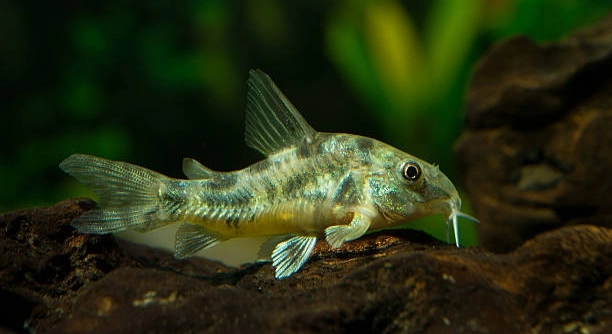
Is your Corydoras catfish showing a strong preference for one type of food while ignoring others in its tank?
Corydoras catfish may favor certain foods due to factors like texture, scent, feeding habits, nutritional content, or past experiences. These preferences are often shaped by instinctual behavior, environmental conditions, and the availability of specific food sources.
Learning what affects their choices can help improve their diet and support healthier, more active behavior in your aquarium.
They Recognize the Texture They Like
Corydoras often pick foods based on how they feel when eaten. They tend to favor soft or sinking options that are easy to dig through the substrate for. If a food is too hard or floats, they may ignore it. Since these fish naturally feed by sifting through the bottom of the tank, they are drawn to pellets or wafers that mimic that experience. When given options like flake food or floating granules, they might show little interest. The texture plays a role in how they interact with food, and softer types that fall to the bottom tend to match their natural feeding behavior best.
Corydoras use their sensitive barbels to detect food. They rely more on feel than on sight.
Try offering a variety of bottom-feeder pellets or gel-based foods that are soft and settle quickly. Watch how they respond to the change and adjust based on preference.
Scent Plays a Big Role
Corydoras use their strong sense of smell to find food in murky or dim waters. If one food smells stronger or more familiar, they’ll often go for that option first.
Many fish foods contain attractants, but some ingredients naturally produce stronger smells that appeal to bottom feeders like Corydoras. Bloodworms, for example, have a scent that tends to grab their attention immediately. In comparison, some commercial pellets or flakes may have a less noticeable odor and get ignored. Corydoras can also form preferences based on repeated exposure. If a particular food always leads to feeding time and satisfies them, they may begin to associate that scent with something positive. Over time, they’ll seek it out even when other options are available. Using foods high in natural protein content like brine shrimp or blackworms can also make feeding more consistent, especially if their reactions to generic pellets have become inconsistent or disinterested.
Feeding Habits and Routine
Corydoras often develop food preferences based on their feeding schedule. If food is consistently offered at the same time, they may come to expect it.
If a specific food is provided regularly, they may associate it with feeding time. This can lead them to prefer that food over others, even if alternatives are available. Over time, their feeding routine might cause them to ignore unfamiliar foods, especially if they have not been given the opportunity to try them during feeding sessions. Changing their schedule or rotating foods can help expose them to new options and reduce the risk of them sticking to just one type.
They may also become conditioned to react only to certain foods. This could make it difficult to introduce new items, and they may reject unfamiliar choices. Consistently offering variety during feeding time can prevent them from fixating on one type of food.
Environmental Factors Matter
Water temperature, tank conditions, and lighting can affect how Corydoras approach their food.
A change in water temperature or other environmental factors can influence their appetite. For example, Corydoras tend to be less active and more selective with their food when the temperature drops or when the tank’s pH is off. Maintaining stable water conditions ensures they remain comfortable and interested in eating. When their environment is consistent, they are more likely to approach their food without hesitation.
Inconsistent water quality or stress factors may lead to changes in their eating habits. For instance, if their environment becomes too harsh or polluted, they may lose interest in food altogether. Regular water changes and monitoring tank conditions can help keep them healthy and ensure that they continue to eat a variety of foods.
They’re Used to a Specific Brand
Corydoras may favor a certain food because it’s what they’ve been given most often. Familiar smells, textures, and flavors make them less open to change.
Switching brands suddenly can lead to rejection. It helps to introduce new food slowly by mixing it with the familiar one.
Social Behavior During Feeding
Corydoras are social feeders, and group behavior can affect their food preferences. If one or two fish in the group respond strongly to a specific food, others often follow. This can lead to a shared preference, even if other food options are available. Group dynamics can influence what becomes the favored choice.
Past Experiences Can Shape Preferences
If they reacted well to a food before, they’re more likely to eat it again. Negative reactions may cause them to avoid certain foods later.
FAQ
Why does my Corydoras ignore new food?
Corydoras are creatures of habit. If they’ve been fed the same food for a long time, they may show reluctance to try something new. This behavior is influenced by their need for familiar textures, smells, and feeding times. Gradually mixing the new food with what they already enjoy can help them accept it. You might also want to try feeding at different times when they are more active, as this can make them more likely to respond.
How do I get my Corydoras to eat more variety?
Offering a variety of foods at different times can encourage your Corydoras to try new things. Introducing new foods slowly, mixed with their favorite, allows them to get used to the change. You can also try adding gel food or sinking pellets, as Corydoras are bottom feeders. Offering different options consistently and allowing them to explore without competition from other tank mates may help too.
Can Corydoras become picky eaters?
Yes, Corydoras can become picky over time, especially if they are offered only one type of food. They may begin to refuse foods that don’t meet their sensory preferences, such as those that don’t sink or match the texture they’re used to. Introducing variety in their diet from an early age can prevent them from becoming too selective.
What foods are best for Corydoras?
Corydoras thrive on foods that sink quickly and mimic their natural feeding behavior. Bottom-feeder pellets, sinking wafers, and gel foods are ideal. Bloodworms, brine shrimp, and daphnia are also great options for variety and protein. Ensuring the food contains the right nutrients, such as high-quality proteins and fiber, supports their overall health.
How do I prevent other fish from eating my Corydoras’ food?
Using a feeding ring or placing food in a specific area can help prevent faster or more aggressive fish from stealing your Corydoras’ food. Additionally, try to feed your Corydoras during times when other fish are less active, such as during dim lighting or after turning off the aquarium lights. This reduces competition and allows your Corydoras to feed without distraction.
How often should I feed my Corydoras?
Corydoras should be fed once or twice a day, depending on their age and activity level. It’s important not to overfeed, as uneaten food can lead to water quality issues. A small amount of food they can consume in a few minutes is ideal. Monitor their eating habits to ensure they’re eating enough, but not too much.
Can Corydoras eat live food?
Yes, Corydoras can eat live food, and it can be an excellent source of protein. Options like brine shrimp, daphnia, and bloodworms are safe and can provide variety in their diet. However, make sure to source live food from a reputable supplier to avoid introducing parasites or bacteria into your tank.
Is it okay to feed my Corydoras the same food every day?
While Corydoras may seem content with the same food every day, offering a variety is better for their health. A varied diet ensures they get a wider range of nutrients and prevents them from becoming bored with their meals. Mixing different types of food will also help maintain their interest and prevent nutritional deficiencies.
Can Corydoras overeat?
Corydoras can overeat, especially if they are fed too much food at once. Overfeeding can lead to obesity and digestive issues. It’s best to feed small amounts of food that they can consume within a few minutes. If excess food is left behind, it can rot and affect water quality, so always remove any uneaten food promptly.
Do Corydoras prefer certain types of pellets?
Yes, Corydoras tend to prefer sinking pellets that match their natural feeding style. Pellets that are too large or don’t sink well may be ignored. Look for pellets specifically designed for bottom-feeding fish, as they are made to cater to the Corydoras’ natural behavior. You can also try varying the size and texture of pellets to see which ones your Corydoras prefer.
How can I tell if my Corydoras isn’t eating enough?
If your Corydoras aren’t eating enough, you may notice them becoming less active, losing weight, or acting lethargic. They might also look thinner over time. You can monitor their eating habits by observing them during feeding time to ensure they are getting enough to eat. If the problem persists, it could indicate an issue with water quality or a preference for food that is not being offered.
Should I remove uneaten food from the tank?
Yes, it’s important to remove any uneaten food from the tank after a feeding session. Leaving food in the tank can lead to poor water quality and potentially harm your Corydoras. Uneaten food can decompose and produce toxins, which can affect both the fish and the overall health of the aquarium. Use a fishnet or siphon to remove excess food promptly.
Can Corydoras eat vegetables?
Corydoras can eat vegetables, but they should be offered in moderation. Blanched vegetables like zucchini, spinach, and peas can provide additional nutrients and fiber. However, they should be finely chopped or mashed to make it easier for the Corydoras to consume. Be sure to remove any leftover vegetables after a few hours to prevent water contamination.
Final Thoughts
Corydoras catfish are fascinating fish that can show specific food preferences over time. These preferences often result from a combination of factors such as feeding habits, competition with other fish, and their exposure to certain foods. Understanding why your Corydoras might favor one type of food over another is important for maintaining a healthy and balanced diet. The key to addressing food preferences is providing a variety of foods in a consistent, calm feeding environment that matches their natural habits.
Offering the right foods at the right time, and ensuring they have access to food without competition, can help encourage them to eat a wider range of options. Introducing new foods gradually and observing their eating patterns allows for more successful transitions. Corydoras are bottom feeders, so sinking pellets or food that mimics their natural feeding behavior tends to work best. It’s also important to maintain a feeding schedule that aligns with their active times, which are often during the evening or early morning.
By addressing their feeding needs and preferences, you help create an environment where they feel comfortable and are more likely to eat a balanced diet. Avoiding overfeeding, using a variety of food types, and considering tank mates’ behavior all play a role in ensuring your Corydoras stay healthy and well-fed. Recognizing their needs and adjusting their diet accordingly is key to fostering long-term health and happiness in your aquarium.

Hello,
If you enjoy the content that we create, please consider saying a "Thank You!" by leaving a tip.
Every little bit helps us continue crafting quality advice that supports the health, happiness, and well-being of pets around the world, for pets of all shapes, sizes, and species.
We really appreciate the kindness and support that you show us!