
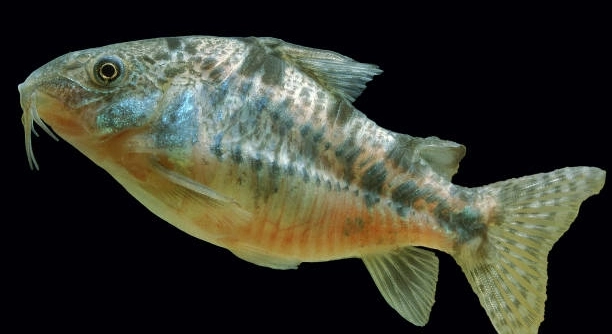
Corydoras catfish are social creatures that thrive in groups. However, sometimes one fish stands out as the leader, guiding the others. Understanding how to identify the leader can enhance your aquarium experience and provide insight into their behaviors.
The leader of a Corydoras group is often more active, leading the school in feeding and exploring the tank. They may exhibit dominance by maintaining a prominent position in the group or showing more confidence when interacting with tank mates.
Recognizing the signs of the leader can improve your fishkeeping practices. This article will reveal the key clues that distinguish the dominant Corydoras in your aquarium.
How to Spot the Leader Among Your Corydoras Catfish
In a group of Corydoras catfish, there is often one individual that leads the others. This leadership role is not necessarily about size but behavior. The leader usually displays a higher level of confidence, whether during feeding or exploring new areas of the tank. They tend to move in a way that influences the rest of the group, often setting the pace for the others to follow. If you observe your Corydoras closely, you might notice this fish leading the group toward food or being the first to investigate new objects placed in the aquarium. The leader may also show dominance by staying at the front of the group during movement and staying closer to the surface.
You can identify the leader by paying attention to its swimming habits. The leader often swims ahead of the others, taking the initiative. Other fish in the group will follow its movements, especially during feeding time.
The dominant Corydoras is also usually more comfortable interacting with its environment, particularly with tank decorations and other fish. This behavior stems from their confidence, which may stem from a natural inclination or their position in the group. Dominance doesn’t always mean aggression; the leader may simply exhibit more assertive behavior, setting them apart from the others. While these dominant fish are in charge, they still maintain harmony with the group. They rarely show signs of bullying or chasing the others. Instead, they lead with quiet assurance.
Observing Behavior Changes in Your Corydoras
Watch for shifts in activity, such as when one Corydoras consistently takes the lead during feeding or exploration. This is a clear sign of dominance.
The catfish that tends to swim ahead, explore first, and remain at the front of the group is most likely the leader. You can recognize this behavior by the fish’s position in the group and its assertiveness in navigating the tank.
The Physical Appearance of the Leader
The leader of your Corydoras group may appear slightly different from the others. This can include more vibrant colors or a fuller body. These physical traits are often signs of a dominant fish.
The leader may have slightly brighter markings or more pronounced features. This could be due to better access to food or their more active behavior. A healthy, confident fish often stands out with better coloration. They may also have a stronger, more robust physique, showing their higher activity levels. This is especially noticeable during feeding or swimming.
While it’s not always the case, some Corydoras that are physically more robust can take on the role of leader. Their strength and stamina often lead them to establish dominance within the group, influencing others to follow their movements. It’s essential to observe closely to differentiate these physical traits from normal growth patterns, as they can vary depending on diet and tank conditions.
Dominance Through Feeding Habits
The dominant Corydoras often controls feeding times. This fish will claim the best spots near the food source and may even act more aggressively to secure its place.
During feeding, you may notice the leader darting to the food first, often staying in the most favorable spot to eat. The rest of the group will wait behind or follow the leader’s actions. This behavior is a clear sign of dominance, with the leader ensuring its access to food. Even if there is no aggression, the leader will assert itself by staying at the forefront.
The feeding habits of the dominant Corydoras play a significant role in maintaining its position in the group. Other fish will observe and follow its lead, eating after the leader. This behavior reinforces the social hierarchy within the group, with the leader claiming the prime feeding spot without much challenge.
The Behavior Towards Other Fish
The leader Corydoras may show more assertiveness with other fish in the tank. This behavior often includes staying ahead or occupying more space.
This assertiveness doesn’t necessarily mean aggression, but the leader may establish boundaries with other fish. They will assert their position by staying at the front or in prime areas of the tank. This shows their dominance within the group.
The other Corydoras tend to follow the leader’s movements, showing a clear hierarchy. However, they rarely challenge the leader directly, indicating the dominant role is well-established. These subtle behaviors are signs of their influence on the group.
Swimming Patterns of the Leader
The dominant Corydoras will often swim more confidently and with a higher level of activity. They are typically more adventurous in exploring the tank.
Leaders are known for their constant movement. They’ll explore new areas first, showing no hesitation. The group follows closely behind, influenced by the leader’s actions. This establishes their role, with others not straying too far.
How the Leader Reacts to New Objects
When new items are placed in the tank, the leader is often the first to investigate them. The other fish tend to observe from a distance.
The dominant fish will swim towards new objects and explore them with curiosity. This boldness is a key sign of leadership, as they take the initiative in unfamiliar situations.
FAQ
How can I tell if my Corydoras is the leader of the group?
The leader Corydoras is typically more active than the others. They often swim ahead of the group, lead feeding times, and explore new areas of the tank first. They will also show a more confident demeanor, asserting themselves in the tank. Their position at the front during group movements and their tendency to investigate new objects first are key indicators.
Do Corydoras form a hierarchy?
Yes, Corydoras do form a hierarchy in their group. Like many other social fish, one or more individuals tend to dominate. These fish display leadership by controlling feeding times and taking the lead in exploration. The less dominant fish will follow the leader’s actions, showing respect for the hierarchy.
Can the leader position change in Corydoras?
Yes, the leader position can change. As Corydoras grow and mature, their roles within the group can shift. A more confident or physically dominant fish might rise to the leader position, while a previously dominant fish may lose its role. Factors such as health, size, or temperament can influence this shift.
Do all Corydoras exhibit leadership behavior?
Not all Corydoras display leadership behavior. Some fish may be more passive and content with following others. Leadership in Corydoras depends on the individual’s confidence, activity level, and assertiveness. While many Corydoras will follow the lead of a dominant fish, some may show little interest in establishing dominance.
What if the leader Corydoras becomes aggressive?
Occasionally, a dominant Corydoras may become more aggressive, especially when it feels its position is challenged. While most Corydoras are peaceful, a dominant fish might exhibit some territorial behavior, particularly during feeding or when new fish are introduced. If aggression becomes a problem, ensure the tank is large enough and there is enough space for all the fish.
Do Corydoras show aggression towards each other?
Corydoras are generally peaceful fish. However, there can be minor squabbles between individuals, especially if a new fish is added to the tank or if there’s competition for food. The dominant Corydoras may display mild aggression to maintain its leadership, but it is usually not severe. Observing your fish’s behavior can help you spot any issues early.
How do Corydoras communicate within the group?
Corydoras communicate mainly through body language, such as swimming patterns and positioning. The leader typically guides the school through its movements. Fish will follow the leader’s actions, reinforcing the social structure. Corydoras also use scent to communicate, particularly during feeding time or when establishing territory.
Can the leader Corydoras affect the group’s health?
Yes, the leader Corydoras can indirectly influence the health of the group. A dominant fish may lead the group to the best feeding spots, ensuring better nutrition for the entire group. If the leader is healthy and active, it sets a positive example for the others. Conversely, a stressed or sick leader could impact the behavior of the whole group.
How can I encourage my Corydoras to follow the leader?
Providing a stable and enriched environment helps encourage the Corydoras to follow the leader. Ensure there are plenty of hiding spots and that the tank is large enough for all the fish to feel secure. Consistent feeding times and maintaining a peaceful tank will help solidify the social structure, allowing the leader to guide the group effectively.
Are there any signs that my Corydoras is stressed or unwell?
Stressed or unwell Corydoras may display unusual behavior, such as lethargy, erratic swimming, or lack of appetite. If the leader becomes withdrawn or the group stops following its movements, this could be a sign of stress. Additionally, any visible changes like faded color, clamped fins, or abnormal swimming patterns indicate a potential issue.
Should I separate a dominant Corydoras from the group?
In most cases, there is no need to separate a dominant Corydoras from the group unless aggressive behavior is occurring. The dominance is typically natural and helps maintain group order. However, if aggression or stress becomes problematic, creating more space or rearranging the tank can alleviate tension.
Do Corydoras need other fish to establish leadership?
While Corydoras are social fish, they don’t need other fish to establish leadership. They typically form hierarchies within their own group. However, having a mixed tank with other peaceful fish may influence how they interact, especially if the other fish become more dominant or assertive in the tank.
What size tank is ideal for Corydoras groups?
A tank of at least 20 gallons is recommended for a small group of Corydoras. This gives enough space for the fish to establish their social structure and ensures that the dominant fish has room to lead without overcrowding. A larger tank can accommodate more fish and offer better conditions for the entire group.
Do Corydoras prefer a particular substrate in the tank?
Yes, Corydoras prefer a soft substrate, like sand or fine gravel, as it is gentler on their barbels. A substrate that is too rough or sharp can cause irritation or injury. The leader Corydoras will likely spend time digging in the substrate, so a suitable one is essential for their well-being.
How can I tell if my Corydoras is happy?
Happy Corydoras will be active, social, and engage in typical behaviors like swimming in schools and exploring the tank. The leader Corydoras will confidently lead the group, moving around the tank with ease. The fish should appear alert and healthy, with vibrant colors and no signs of illness.
Why does my Corydoras swim away from the group?
Occasionally, Corydoras may swim away from the group, especially if they are exploring the tank. This is typically normal behavior, especially for the leader, who may act more independently. However, if a fish consistently isolates itself or displays signs of stress, further observation may be necessary to ensure its well-being.
Can Corydoras live with other species?
Yes, Corydoras are peaceful and can live with other species as long as the other fish are not aggressive. The group’s leader will often coexist with the other fish, guiding the Corydoras without conflict. Ensure the tank mates are compatible in size and temperament for a harmonious community.
Final Thoughts
Understanding the behavior of your Corydoras catfish, especially in relation to leadership within the group, can enhance the enjoyment of keeping them as pets. Observing their interactions provides insights into the social structure they form. The leader Corydoras typically displays more assertive behavior, swimming ahead of the group, exploring new areas first, and setting the pace for feeding. This behavior is not only fascinating but also important for maintaining a healthy and balanced tank. It helps ensure that all fish in the group have access to the resources they need while reducing the chances of territorial disputes.
While the leader fish plays a significant role in guiding the group, it is also important to recognize that Corydoras are generally peaceful and social creatures. Their hierarchical structure is not based on aggression, but rather on natural behaviors that promote order and cooperation. If your Corydoras are healthy, active, and maintaining a positive social structure, they are likely thriving in their environment. On the other hand, if issues arise, such as the leader becoming overly aggressive or stressed, addressing the root causes—such as tank size, water quality, or tank mates—can help restore balance.
In conclusion, keeping Corydoras catfish involves paying attention to their social dynamics and understanding the subtle signs of leadership. By watching how they interact with one another, you can ensure that all fish are thriving. A peaceful and well-structured tank encourages not only the leader to perform its role but also the other fish to follow suit. This creates a stable and harmonious environment that will benefit the entire group. Maintaining proper care and observation will help keep your Corydoras happy and healthy in the long run.

Hello,
If you enjoy the content that we create, please consider saying a "Thank You!" by leaving a tip.
Every little bit helps us continue crafting quality advice that supports the health, happiness, and well-being of pets around the world, for pets of all shapes, sizes, and species.
We really appreciate the kindness and support that you show us!