
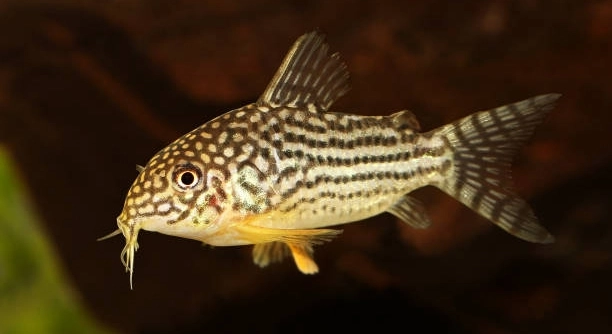
Corydoras catfish are popular aquarium pets, known for their peaceful nature and unique behavior. Ensuring they are comfortable in their environment is crucial for their well-being. Let’s explore some simple ways to improve their living conditions.
To make your Corydoras catfish more comfortable, focus on water quality, tank environment, and feeding. Maintaining stable water parameters, providing soft substrate, and offering a balanced diet are essential for their health and happiness.
By adjusting these factors, your Corydoras will thrive, and you can create a peaceful environment that promotes their well-being.
1. Maintaining Proper Water Quality
The water quality in your Corydoras catfish tank is one of the most important factors for their comfort. These fish are sensitive to fluctuations in temperature, pH, and ammonia levels. Consistently keeping these parameters stable is essential. Use a reliable filter to maintain clean water and perform regular water changes, ensuring ammonia, nitrites, and nitrates stay at safe levels. Keep the temperature between 72°F and 78°F to avoid stressing your fish. Using a water testing kit is an easy way to check that all levels are within the appropriate range. Corydoras catfish also prefer slightly acidic to neutral water (pH between 6.5 and 7.5).
Adding live plants to the aquarium can help stabilize the water and create a more natural environment. Live plants provide oxygen and help filter the water, making it a more comfortable place for your fish. They also offer hiding spots, which will help your Corydoras feel secure.
Regularly testing your water and adjusting parameters is crucial for the long-term health of your fish.
2. Choosing the Right Substrate
The substrate in your aquarium plays a huge role in your Corydoras catfish’s comfort. They love to dig and root through the substrate, so it’s essential to choose one that suits their behavior. Soft, fine sand is the best option for these fish. Avoid gravel, as it can damage their delicate barbels and cause injury over time.
Sand not only allows your Corydoras to move naturally but also creates a more natural-looking environment. By providing the right substrate, you’re helping your fish feel more at home. Consider adding a layer of live plants, which will also give your fish space to explore and hide. This ensures they stay healthy and stress-free.
3. Providing Hiding Spots and Shelter
Corydoras catfish enjoy having places to hide. Adding caves, rocks, or plant cover to your tank can help them feel secure. When they feel threatened, they’ll often dart into these hiding spots to escape stress. Without proper shelter, they may become anxious and less active.
You can create a peaceful environment by adding several hiding places throughout the tank. Floating plants or dense underwater plants provide good cover. Corydoras are bottom dwellers, so caves or tunnels near the substrate are ideal. Offering this refuge will help them feel more comfortable and reduce stress-related issues.
Providing hiding spots also helps create a natural habitat. Corydoras catfish in the wild often seek cover in crevices or under plant roots. Mimicking this environment will allow them to exhibit natural behavior and thrive in your tank.
4. Feeding Your Corydoras Catfish
Corydoras catfish are bottom feeders, so they prefer sinking pellets or wafers. They also enjoy occasional live or frozen food, such as brine shrimp or bloodworms. Feeding them a balanced diet with high-quality food is essential for their health and comfort.
Feeding your fish regularly but in small amounts prevents uneaten food from polluting the water. Overfeeding can lead to water quality issues, which will stress your Corydoras. It’s best to feed them once or twice a day, offering food they can consume in a few minutes. This ensures their nutritional needs are met without harming the tank’s environment.
Always monitor their eating habits. If your Corydoras catfish seem uninterested in food, check their water quality and tank environment. Stress or poor water conditions may lead to a loss of appetite.
5. Tank Size and Space
Corydoras catfish are small but active fish, so they need enough space to swim and explore. A minimum tank size of 20 gallons is ideal for a small group. Providing adequate space reduces stress and encourages natural behaviors.
Overcrowding can lead to poor water quality, which can cause health issues. If you’re planning to add more fish, ensure the tank has enough space for everyone. With sufficient room, your Corydoras will feel more at ease and be able to display their playful nature.
6. Water Movement and Flow
Corydoras prefer calm waters. High water flow can stress them out and make it harder for them to swim comfortably. Use a filter with adjustable flow or place it in a way that prevents strong currents.
When the water flow is too intense, it can tire out your fish. They may struggle to reach food or find a quiet spot to rest. It’s best to create a gentle, peaceful environment where your Corydoras can move about freely without feeling overwhelmed by the current.
7. Tank Lighting and Environment
Corydoras catfish are sensitive to bright lighting, preferring dimmer settings that mimic their natural habitat. A gentle light helps them feel secure and less stressed. You can use low-light aquarium plants or indirect light sources to create a peaceful setting.
Too much light can cause discomfort, making your Corydoras hide more often. Keep the lighting low and steady to help them feel at ease. They thrive in environments that replicate the shadows and dappled light of riverbeds. This will allow them to act more naturally in the tank.
FAQ
How often should I change the water in my Corydoras catfish tank?
Water changes should be done regularly to maintain water quality. Aim for a 25-30% water change every two weeks. If you have more fish or if the tank is smaller, more frequent changes may be necessary. Always check water parameters like ammonia, nitrites, and nitrates before changing the water. This will ensure the environment stays healthy for your Corydoras.
Can I keep Corydoras catfish with other fish?
Yes, Corydoras are peaceful fish that do well in community tanks. They get along with most species, as long as the tankmates aren’t aggressive. Avoid keeping them with large, predatory fish, as they may pose a threat. Small, non-aggressive fish such as tetras, guppies, and shrimp make good companions. Ensure there’s enough space and hiding spots to accommodate everyone in the tank.
What temperature should my Corydoras catfish tank be?
Corydoras catfish thrive in temperatures between 72°F and 78°F (22°C to 26°C). Keeping the temperature stable is important for their health. Avoid sudden fluctuations, as this can cause stress or even illness. A reliable aquarium heater can help maintain the temperature, especially during colder months.
How do I know if my Corydoras catfish is stressed?
Stressed Corydoras may show signs like hiding more often, reduced activity, or a loss of appetite. They might also dart around the tank or swim erratically. Stress can result from poor water quality, improper tank conditions, or incompatible tankmates. If you notice these behaviors, check your tank environment and make necessary adjustments.
What is the best diet for Corydoras catfish?
Corydoras are omnivores and prefer sinking pellets or wafers. They also enjoy live or frozen foods like brine shrimp, bloodworms, or daphnia. A balanced diet ensures they stay healthy and active. Offer food in small amounts to prevent overfeeding, which can lead to water quality issues. Variety is important to meet their nutritional needs.
Can Corydoras catfish live with other bottom-dwelling fish?
It’s possible to keep Corydoras with other bottom-dwelling fish, but careful selection is important. Avoid species that are territorial or aggressive, as this may lead to conflicts over space. Other peaceful bottom dwellers like shrimp, snails, or peaceful loaches can coexist with Corydoras. Ensure the tank is large enough to provide enough space for all inhabitants.
How long do Corydoras catfish live?
Corydoras catfish typically live for 5 to 7 years, although with excellent care, some can live longer. Providing a stable environment, proper diet, and regular tank maintenance can help extend their lifespan. Keep an eye on their health and promptly address any signs of illness to ensure they live a long, comfortable life.
Are Corydoras catfish easy to care for?
Corydoras catfish are relatively easy to care for, making them ideal for beginners. They don’t require special care, but they do need a well-maintained tank with proper water conditions. Regular water changes, a balanced diet, and a peaceful environment are key to keeping them happy and healthy. Their friendly nature and low maintenance make them a popular choice among aquarium owners.
Do Corydoras catfish need a filter?
Yes, Corydoras catfish need a filter to keep the water clean and oxygenated. A good filter removes toxins, debris, and excess nutrients from the tank. However, make sure the water flow is not too strong, as Corydoras prefer calmer waters. A filter with adjustable flow or one placed strategically can prevent stress caused by too much current.
Why is my Corydoras catfish not eating?
If your Corydoras isn’t eating, check the water quality first. Poor water conditions can cause a lack of appetite. Also, make sure the food you’re offering is appropriate for bottom feeders, like sinking pellets or wafers. If the problem persists, check for signs of illness or stress, such as abnormal swimming or hiding.
Can I breed Corydoras catfish in my tank?
Yes, Corydoras catfish can breed in an aquarium, but it requires the right conditions. They need stable water parameters, especially temperature and pH. Provide plenty of hiding spots and ensure the tank is well-maintained. Breeding is most successful when the fish feel secure and healthy. A separate breeding tank may help ensure a higher survival rate for the fry.
What are some common diseases in Corydoras catfish?
Corydoras catfish can suffer from common freshwater fish diseases like ich, fungal infections, and external parasites. Symptoms include white spots on the body, abnormal swimming, or lethargy. Keeping water quality high and stress levels low can help prevent illness. If you notice signs of disease, isolate the affected fish and treat the tank accordingly. Regular observation and prompt treatment can help keep your Corydoras healthy.
How do I stop my Corydoras catfish from scratching?
If your Corydoras is scratching against objects, it could be a sign of parasites, such as ich or flukes. The irritation they feel makes them rub against surfaces. To address this, increase water temperature slightly (within safe limits) to speed up parasite life cycles and treat the tank with a suitable medication. Make sure to quarantine any new fish to avoid introducing diseases.
Can Corydoras catfish live with live plants?
Yes, Corydoras catfish thrive in tanks with live plants. Plants help mimic their natural environment, providing hiding spots and oxygenating the water. Be sure to choose plants that are safe and appropriate for the substrate. Corydoras may dig in the substrate, so plants with strong roots, like java fern or anubias, are ideal.
Final Thoughts
Corydoras catfish are a great choice for anyone looking to add peaceful, bottom-dwelling fish to their tank. These small, friendly fish are not only easy to care for but also bring life and activity to the aquarium. With the right care, they can thrive for several years, making them a rewarding addition to any tank. Their calm nature makes them suitable for community tanks, where they can coexist with many other species. However, to ensure they stay healthy and happy, it’s essential to provide them with the proper environment, diet, and attention to their specific needs.
One of the key factors in keeping Corydoras catfish comfortable is maintaining optimal water conditions. They prefer clean, well-oxygenated water with stable temperatures. Regular water changes, proper filtration, and monitoring of water parameters like pH and hardness are all essential. Additionally, these fish prefer a substrate that allows them to forage naturally, so a soft, sandy bottom is ideal. Their tendency to root around the substrate means it’s important to avoid sharp decorations or gravel that could harm their sensitive barbels. A balanced diet is equally crucial; offering them sinking pellets and occasional live or frozen food will keep them healthy and active.
Creating a peaceful environment for Corydoras is just as important as the water conditions. They thrive in a calm, low-current environment, so avoid placing strong filters or pumps in areas where they swim. They also benefit from having tankmates that are non-aggressive. Providing plenty of hiding spaces with plants or decorations will help reduce stress and allow them to feel secure. When all these factors are met, Corydoras catfish can flourish, adding charm and movement to your tank. Keeping them healthy and comfortable is relatively easy, making them a great choice for both beginner and experienced fish keepers.

Hello,
If you enjoy the content that we create, please consider saying a "Thank You!" by leaving a tip.
Every little bit helps us continue crafting quality advice that supports the health, happiness, and well-being of pets around the world, for pets of all shapes, sizes, and species.
We really appreciate the kindness and support that you show us!