
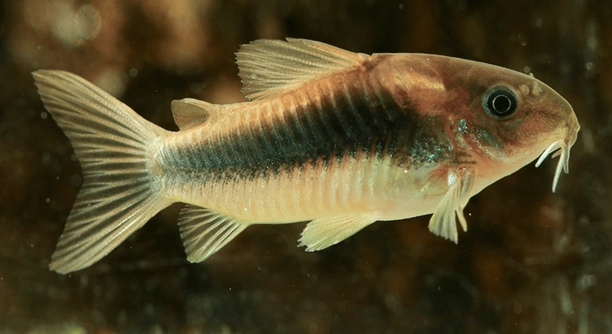
Corydoras catfish are active fish that enjoy exploring their environment, but sometimes their behavior can be hard to interpret. They can play, socialize, or even get into scuffles with one another. Knowing what’s happening can be tricky.
Determining whether your Corydoras catfish is playing or fighting comes down to observing their body language and interactions. Playful behavior is typically energetic, with quick movements, while fighting involves more aggressive gestures, such as fin flaring and chasing.
Understanding these subtle signs can help ensure your fish remain happy and healthy. Keep an eye on their behavior to spot the differences more clearly.
Identifying Playful Behavior in Corydoras Catfish
Corydoras catfish are naturally social and active fish that enjoy exploring their environment, often displaying playful behavior. When they are having fun, you’ll notice quick movements, darting around their tank, and interacting with other fish. They might swim in short bursts, chasing each other in circles or hovering near the substrate. Playful Corydoras often display a more fluid and graceful motion, especially when they’re in groups. They also tend to swim together, showing interest in each other and their surroundings. If they’re having fun, they might occasionally jump or swim erratically, but without showing aggression toward their tank mates.
While this behavior may look similar to fighting, it’s usually short-lived and involves no harm. These energetic fish love to explore their surroundings and interact with their environment in positive ways.
It’s important to distinguish between playful behavior and potential signs of aggression to ensure that all your fish remain comfortable and healthy in the same space.
Signs of Aggression in Corydoras Catfish
Aggressive behavior in Corydoras is more obvious and intense. These fish may exhibit signs like chasing other fish around the tank and flaring their fins, especially when they feel threatened or are protecting their territory. Unlike playful behavior, aggression usually leads to constant chasing or nipping at another fish. Corydoras can also become more rigid in their movements, unlike the smooth, fluid motions seen during playful interactions.
Aggression can sometimes escalate to a fight, causing physical damage to fins or scales. In some cases, a more dominant Corydoras might become territorial, especially if there are too many fish in the tank or limited space for them to feel safe. Ensuring a large enough environment and providing hiding spots can reduce the likelihood of aggression.
Watching for these behaviors and making quick adjustments to the tank environment can help keep your fish from becoming stressed or harmed.
Body Language That Shows Playful Interaction
When Corydoras catfish are playing, their body language is typically relaxed and smooth. They may swim together, but without any signs of aggression. You might notice them moving in unison, gliding through the water with minimal disruptions. Their movements are swift but seem carefree, with no exaggerated motions or posturing. It’s a playful, lighthearted behavior that’s easy to distinguish once you’re familiar with their normal patterns.
These catfish also engage in playful displays such as gently bumping or nipping at one another without any real harm. This is their way of interacting and establishing social bonds, not aggression. If they’re getting along well, they will typically appear in groups, swimming closely, showing curiosity toward each other.
Corydoras catfish usually exhibit these playful behaviors when they are in good health and feel safe in their environment. Creating a calm and secure space for them can enhance this playful interaction.
Fighting Signs and Physical Damage
If your Corydoras catfish are fighting, the body language is more tense and aggressive. They may swim in rapid, jerky motions and chase one another relentlessly. The chasing could escalate to nipping at fins, and you may notice some physical damage to the fish. Their body movements during fights become less fluid, and they adopt a more rigid posture.
During a fight, Corydoras may also show signs of territorial behavior, particularly in a confined space. The aggression can cause significant stress to the fish, which can harm their health. In some cases, fighting may result in injuries such as torn fins or scale loss. These signs are important to recognize so that you can address the problem quickly before it leads to further harm.
A stressed or injured fish may start hiding more often, making it harder to spot and address the issue. Keeping a careful eye on the fish will allow you to step in before things escalate further.
Tank Setup and Space Considerations
Corydoras catfish are small, peaceful fish that need plenty of space to swim and explore. A cramped environment can lead to territorial disputes and stress. To avoid this, ensure your tank has enough room for all the fish to move comfortably, especially if you have multiple Corydoras.
A tank size of at least 20 gallons is recommended for a small group of Corydoras. Larger tanks provide more space, reducing the chances of fighting. It’s also important to arrange decorations, plants, and hiding spots to give the fish areas to explore and feel secure.
Creating a spacious environment with plenty of hiding spots allows your Corydoras to feel safe and less likely to become aggressive toward one another.
Identifying Stress-Induced Aggression
Stress is one of the leading causes of aggression among Corydoras. When these fish feel threatened by poor water quality, overcrowding, or constant disturbances, they may become more aggressive. Stress can lead to both physical and behavioral changes, such as fin damage or increased chasing.
To prevent this, maintaining stable water parameters and a calm environment is essential. Keep the tank well-filtered and clean, monitor water temperature, and ensure that tank mates are compatible. Stress-induced aggression can often be resolved by creating a peaceful environment and giving your fish the space they need to thrive.
Observing Fish Behavior Over Time
If you’re unsure whether your Corydoras are playing or fighting, the best approach is to observe their behavior over time. Playful interactions are often short-lived, and you’ll notice the fish returning to a calm, peaceful state afterward. On the other hand, fighting may persist, causing stress for both fish.
By watching the same group of fish regularly, you’ll begin to understand their normal behavior patterns. It’s essential to monitor interactions to spot any changes that could signal aggression or distress.
FAQ
How can I tell if my Corydoras are stressed?
Stress in Corydoras catfish can be recognized through several signs. These include hiding more often, erratic swimming, or a decrease in activity. If the fish are rubbing their bodies against objects in the tank or showing signs of fin damage, stress may be the cause. Poor water quality, overcrowding, and aggressive tank mates can all contribute to stress. To reduce stress, ensure the water quality is maintained, and the tank isn’t overcrowded. Providing hiding spots can also help the fish feel secure and less anxious.
Why do Corydoras chase each other?
Chasing among Corydoras catfish is typically part of their natural behavior, especially when they are playing or establishing social bonds. In some cases, chasing can indicate competition for territory or mates. If the chasing is brief and involves no harm, it’s likely playful. However, if the chasing is persistent and aggressive, it may indicate territorial disputes or stress. Providing enough space and hiding spots in the tank can help reduce aggressive chasing and encourage peaceful behavior.
Can Corydoras live with other species of fish?
Corydoras are peaceful fish that generally do well with other non-aggressive species. They enjoy the company of their own kind but can also live with other community fish like tetras, guppies, or other calm catfish species. However, avoid keeping them with overly aggressive fish that might stress or harm them. Corydoras are bottom-dwelling fish, so it’s essential to ensure that other species do not dominate their space. Providing ample space and hiding spots will allow them to coexist peacefully with other fish.
What should I do if my Corydoras is injured from fighting?
If your Corydoras has been injured during a fight, it’s important to separate the injured fish to allow it to heal. First, check for signs of infection, such as redness, swelling, or a cloudy appearance around the injury. If the injury is minor, it may heal on its own. However, if infection sets in, consider treating the tank with an appropriate medication. To prevent future injuries, consider adjusting the tank environment by adding more hiding places, improving water quality, or reducing the number of tank mates.
How often should I feed Corydoras catfish?
Corydoras are bottom feeders, meaning they will scavenge for food at the bottom of the tank. Feed them small amounts of food once or twice a day. Be sure not to overfeed, as uneaten food can pollute the water. Use sinking pellets or wafers designed for bottom-feeding fish. It’s important to monitor how much food is being consumed and remove any leftovers to maintain water quality. Offering variety in their diet, such as occasional frozen or live foods, can help keep them healthy and active.
Are Corydoras catfish social fish?
Yes, Corydoras are very social fish. They thrive in groups of three or more and are happiest when they have company. Corydoras are known for their friendly and non-aggressive behavior, especially toward other fish of their own kind. In a group, they engage in social activities like swimming together and foraging for food. A solitary Corydoras may become stressed, which can lead to health problems. Therefore, it’s best to keep them in schools of at least three to promote their well-being.
Can Corydoras live in a tank with strong currents?
Corydoras prefer gentle water currents. In tanks with strong currents, these fish may become stressed and struggle to swim comfortably. It’s important to adjust the water flow to suit the needs of Corydoras, as too much turbulence can lead to exhaustion and health issues. To provide a calm environment, use a filter with adjustable flow or position decorations in a way that breaks the current. Corydoras will feel more at ease in a calm, stable environment where they can swim freely.
How can I prevent fighting among Corydoras?
To prevent fighting among Corydoras, make sure they have enough space in the tank. Overcrowding can lead to territorial disputes and stress. Adding plenty of hiding spots, such as plants, rocks, or caves, gives each fish a safe space to retreat when needed. Avoid keeping too many dominant fish together, as they may compete for territory. In a well-sized tank with enough resources, Corydoras will be more likely to interact peacefully and avoid fighting.
How do I know if my Corydoras is playing?
When Corydoras are playing, they engage in energetic movements, often swimming together in small groups. They may chase each other briefly, but this behavior is typically non-aggressive and playful. Playful Corydoras move fluidly through the water, showing no signs of tension or stress. They are also likely to explore the substrate, interacting with tank decorations and plants. It’s important to observe their behavior closely over time to differentiate between playful interaction and potential fighting.
What type of water conditions do Corydoras need?
Corydoras thrive in soft to moderately hard water with a slightly acidic to neutral pH. They prefer temperatures between 72°F and 78°F (22°C to 26°C). Regular water changes and proper filtration are essential to maintain a clean and stable environment. Ammonia and nitrite levels should always be kept at zero, while nitrate levels should be as low as possible. Consistently good water quality promotes the health and well-being of Corydoras, preventing stress and aggression.
Do Corydoras need a specific substrate?
Corydoras catfish prefer a soft substrate, such as fine sand or smooth gravel, which prevents injury to their sensitive barbels. These fish often search the substrate for food, so it’s important to choose a material that won’t harm them. Sharp gravel or rough surfaces can damage their barbels, leading to infection or other health issues. A fine, smooth substrate also allows Corydoras to feel more comfortable as they scavenge for food and explore the bottom of the tank.
Final Thoughts
Corydoras catfish are peaceful and social creatures, making them great additions to a community tank. Understanding their behavior is key to ensuring they thrive in your aquarium. While they can sometimes seem to be fighting, much of their interaction is simply a part of their playful nature. Knowing the signs of stress and aggression will help you identify when something is off in your tank, allowing you to take the necessary steps to correct it. Providing the right environment, including enough space, hiding spots, and proper water conditions, can go a long way in preventing conflicts between your Corydoras.
Maintaining a peaceful aquarium is important for all fish, and Corydoras are no exception. By offering plenty of room to swim, along with a soft substrate and stable water conditions, you can keep your Corydoras happy and healthy. If you notice any signs of aggression or injury, don’t hesitate to step in and adjust the tank environment. Sometimes, minor changes like adding more plants or rearranging tank decor can resolve small issues before they become bigger problems. Consistent monitoring of their behavior will ensure that you can catch any issues early and address them promptly.
Lastly, it’s essential to remember that Corydoras catfish thrive best in groups. Keeping them in schools of three or more will help reduce stress and prevent territorial aggression. They are much more active and comfortable when they have other Corydoras around, as they are naturally social animals. With the right care, Corydoras will contribute to a healthy, thriving aquarium, and their playful interactions will bring life to your tank. So long as you keep an eye on their behavior and maintain proper tank conditions, your Corydoras will be a joy to watch for years to come.

Hello,
If you enjoy the content that we create, please consider saying a "Thank You!" by leaving a tip.
Every little bit helps us continue crafting quality advice that supports the health, happiness, and well-being of pets around the world, for pets of all shapes, sizes, and species.
We really appreciate the kindness and support that you show us!