
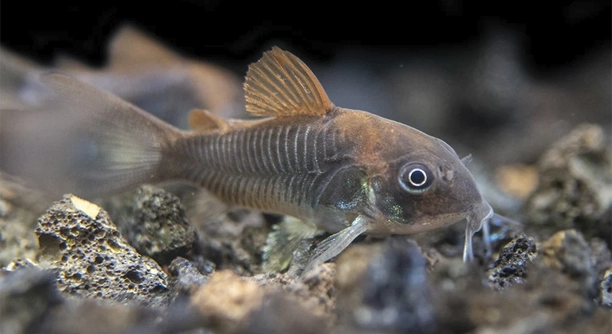
Corydoras catfish are popular aquarium fish, known for their gentle nature and active behavior. If you have a pair or group of these little swimmers, you may be curious if one is expecting fry.
Corydoras catfish can show several signs when they are preparing to lay eggs. Key indicators include changes in behavior, appetite, and interactions with tank mates. These signs can help you anticipate when your fish might be expecting fry.
Recognizing these signs early can make a big difference in preparing your aquarium. Understanding their behavior helps create a more suitable environment for the fry.
Changes in Behavior
When your Corydoras catfish is expecting fry, you’ll notice subtle shifts in their behavior. The female may become more active, swimming around the tank and often seeking out places to lay eggs. You may also see her spending more time near the substrate, as she looks for a safe spot to deposit the eggs. Males tend to become more focused on following the female, possibly even bumping into her to stimulate egg-laying. During this time, the fish will also seem more aware of their surroundings, as they prepare to care for their eggs.
You might also notice an increase in activity levels, with your fish being more energetic than usual.
These changes can help you detect the early signs of reproduction. Watching their movements closely will provide more insight into when you can expect new additions to your aquarium.
Appetite Changes
As a female Corydoras catfish gets ready to lay eggs, her appetite might shift. She may eat more frequently or lose interest in food for a short period.
In preparation for egg-laying, the female might not show as much interest in her usual diet. Sometimes, this lack of appetite is a sign that her body is focusing on egg production. It’s important to keep an eye on her eating habits, as this can be a clear signal that something is about to happen. She may also begin to eat a bit more once her body starts adjusting to the changes. However, it’s normal for her to eat less during the final stages of preparing to lay eggs.
Increased Hiding Behavior
Pregnant Corydoras catfish tend to seek out hiding spots more often. This behavior is due to the instinct to find a safe space for laying eggs. They will swim to darker areas of the tank, such as plants or decorations, looking for a secure spot. If you notice this change, it’s a good indication that fry might be on the way.
Corydoras catfish may also start to become more territorial when they’re about to lay eggs. The female, especially, may swim into hidden corners and rest there for longer periods. It’s common for the males to follow her closely during this time. Keeping track of where they hide can give you an idea of where they may lay their eggs.
If there are several hiding spots in the tank, it’s helpful to monitor those areas closely. The more private they feel, the better chances the eggs will be safely laid and protected. Watch for signs of the female settling down to make sure you’re ready for the next step.
Aggressive Interactions with Other Fish
Expecting Corydoras can show more aggression, especially when they are near egg-laying time. This is more noticeable if other fish are getting too close to the females. The males may also become slightly more territorial, chasing others away.
Aggression in Corydoras is typically mild but can be noticeable if the tank is overcrowded. The fish may act more aggressively towards tank mates to protect their space. This behavior is seen most often when they begin laying eggs. If your Corydoras starts to chase away other fish, it’s a clear sign that they are preparing to reproduce. However, this aggression generally doesn’t last long and should subside once the eggs are laid.
In a peaceful tank, aggression can be limited by making sure there is enough space for all the fish. If aggression becomes too intense, it might help to separate the fish to avoid stress. This ensures the catfish feel comfortable during the breeding process.
Swelling Belly
A female Corydoras catfish’s belly will swell noticeably as she prepares to lay eggs. This physical change happens as her body fills with eggs. You’ll see her abdomen become more rounded and slightly distended, making it easier to tell she’s expecting. The size of the belly can vary based on how many eggs she’s carrying.
This swelling is usually most noticeable when she’s near the egg-laying stage. It’s a clear sign that the fish is in the final stages of preparing to spawn. Keep an eye on her belly’s size as this change can happen quickly, signaling that she may lay eggs soon.
Resting at the Bottom
Corydoras catfish are bottom-dwellers, but pregnant females may spend even more time resting near the substrate when they’re preparing to lay eggs. This is because they feel more secure close to the tank’s bottom, where they can find the right spot to deposit their eggs.
You may notice her resting for longer periods in one spot, which is a typical sign that she’s ready to spawn. Often, this resting behavior happens after she has moved around the tank looking for the best place to lay her eggs. If she’s spending more time at the bottom than usual, it’s worth paying attention to.
Increased Swimming with the Male
As egg-laying approaches, the female Corydoras will swim more actively with the male. This behavior includes swimming in circles or darting around the tank. The male follows closely behind the female, trying to encourage her to lay her eggs.
This increased interaction is part of their mating ritual. The male will try to stimulate the female by gently nudging her. It’s often accompanied by more excited movement in the tank as both fish prepare for the spawning process. Watching for this increased activity is an easy way to spot when your catfish is about to spawn.
FAQ
How can I tell if my Corydoras catfish is ready to lay eggs?
When your Corydoras catfish is ready to lay eggs, you’ll notice a few changes. The female will likely have a swollen belly, as her eggs grow in size. She will also be more active, swimming around the tank more often and exploring different spots to find the best place to lay her eggs. Males tend to follow her closely and will encourage her to spawn by nudging or chasing her. Additionally, the female might start resting at the bottom of the tank, a sign that she is preparing for the egg-laying process.
Do Corydoras catfish breed in groups or alone?
Corydoras catfish typically breed in groups. While one female will lay eggs, multiple males usually participate in the fertilization process. The males will swim around the female, helping her release the eggs and fertilizing them as she lays. Having more than one male can increase the chances of successful spawning because it ensures that the eggs are fertilized right away.
How many eggs do Corydoras catfish lay?
Corydoras catfish generally lay anywhere from 20 to 100 eggs per spawning, depending on the size and age of the female. Larger females may lay more eggs, while younger or smaller females will lay fewer. The eggs are small and sticky, which helps them adhere to surfaces like rocks, plants, or aquarium decorations. After laying the eggs, the female may leave them behind while the males continue to fertilize the remaining eggs.
Do Corydoras catfish care for their fry?
Unlike some other fish species, Corydoras catfish do not provide parental care after the eggs hatch. Once the eggs hatch into fry, they are left to fend for themselves. The fry are independent from the start and will find their food in the tank, such as algae or small particles floating in the water. However, it’s important to keep the tank environment safe and provide plenty of hiding places for the fry to reduce the risk of them being eaten by adult fish or other tank mates.
How long does it take for Corydoras catfish eggs to hatch?
Corydoras catfish eggs typically hatch within 3 to 7 days, depending on water temperature and conditions. Warmer water temperatures speed up the hatching process, while cooler water temperatures can slow it down. You can tell the eggs are ready to hatch when they become more transparent and you can see the developing embryos inside. After hatching, the fry will remain near the substrate for a few days, feeding off their yolk sacs before becoming more mobile and starting to search for food.
What should I do with Corydoras catfish eggs?
If you want to ensure the survival of the eggs, it’s best to leave them in the tank with the parents. However, if you notice that the eggs are being eaten by other tank mates or if you prefer to raise the fry separately, you can gently remove the eggs and place them in a separate breeding tank. Make sure the breeding tank is set up with similar water conditions and plenty of hiding spots for the developing eggs. Once the eggs hatch, you can continue to raise the fry in the breeding tank until they are big enough to move back into the main aquarium.
How can I ensure that Corydoras catfish eggs are fertilized?
To ensure that the eggs are fertilized, it’s important to have a healthy male-to-female ratio in your aquarium. Having at least one male for every female increases the likelihood that the eggs will be fertilized right after the female lays them. The males will chase the female and nudge her to release the eggs, and as they swim around her, they will fertilize them. Providing the right water conditions, such as stable temperature and good water quality, also improves the chances of successful fertilization.
What do I feed Corydoras catfish fry?
Corydoras fry are very small when they hatch and need specially designed food. At first, they will feed off the yolk sac, which provides nourishment for a few days. After that, you can offer powdered fry food or finely crushed fish flakes. Make sure the food is small enough for the fry to eat. As they grow, you can start introducing tiny live foods like baby brine shrimp or daphnia. Keep the fry’s environment clean and free of uneaten food to prevent water quality issues.
Can I keep Corydoras catfish with other fish when they are breeding?
It’s generally safe to keep Corydoras catfish with other fish during the breeding process, but there are a few things to consider. Corydoras are peaceful fish, but during breeding, they can become more protective and territorial. Larger or more aggressive tank mates may stress out the breeding pair or eat the eggs and fry. It’s a good idea to keep the tank well-planted and ensure there are plenty of hiding spots for the eggs and fry. If the tank has aggressive species, it may be better to move the breeding pair to a separate tank to protect the eggs and ensure their survival.
Do Corydoras catfish breed year-round?
Corydoras catfish can breed year-round in the right conditions. However, there are certain factors that encourage breeding. These factors include a stable water temperature, good water quality, and proper nutrition. Corydoras may also breed more frequently during certain times of the year when conditions are ideal. If your catfish aren’t breeding, consider adjusting the water conditions and ensuring they are well-fed. Creating a stable and stress-free environment can trigger the breeding process.
Why is my Corydoras catfish not laying eggs?
If your Corydoras catfish isn’t laying eggs, there could be several reasons. It might not feel comfortable in its environment due to stress, poor water conditions, or overcrowding in the tank. Ensure the water temperature, pH, and hardness are all within the optimal range for breeding. Additionally, a lack of proper nutrition or an imbalance in the male-to-female ratio can also prevent egg-laying. If these factors are all in check and your catfish still isn’t laying eggs, it might just be a matter of waiting for the right time.
Final Thoughts
Corydoras catfish are relatively easy to care for and breed, making them a great choice for aquarium hobbyists. Understanding the signs that your Corydoras catfish is expecting fry can help you prepare for the process and ensure a healthy environment for both the adults and the fry. By paying attention to changes in behavior, such as increased activity or a swollen belly, you can anticipate when the fish are ready to spawn. Once the eggs are laid, it’s important to provide a safe space for the fry to grow, which may include setting up a separate breeding tank if necessary.
The key to successful breeding lies in creating the right conditions for your Corydoras catfish. Keeping the water clean, stable, and at the right temperature encourages egg-laying. A proper male-to-female ratio and a variety of hiding spots in the tank also play a role in making the breeding process go smoothly. While Corydoras don’t offer parental care for their fry, you can still support their growth by providing suitable food and protecting them from larger tank mates. This simple approach allows the fry to grow strong and healthy, and many will thrive in your aquarium once they are old enough.
Finally, it’s important to remember that breeding Corydoras catfish can be an ongoing process if the conditions remain favorable. With each successful spawning, your aquarium can grow with new additions, adding life and movement to your tank. Whether you’re a beginner or an experienced fish keeper, learning how to spot the signs of pregnancy and understanding the needs of your Corydoras can make breeding a rewarding experience. With patience and care, you can enjoy watching your Corydoras catfish raise their young in a safe and thriving environment.

Hello,
If you enjoy the content that we create, please consider saying a "Thank You!" by leaving a tip.
Every little bit helps us continue crafting quality advice that supports the health, happiness, and well-being of pets around the world, for pets of all shapes, sizes, and species.
We really appreciate the kindness and support that you show us!