
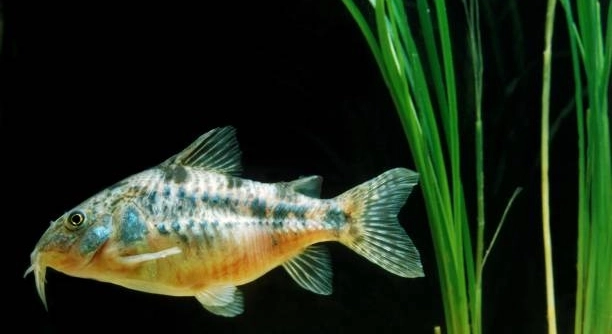
Are your Corydoras catfish spending too much time hiding or looking stressed in their new tank setup? These peaceful bottom dwellers can sometimes take a while to feel secure, especially in unfamiliar surroundings.
The best way to help Corydoras catfish feel at home faster is by creating a stable, quiet environment with clean water, soft substrate, and plenty of hiding spaces. Proper tank mates, consistent feeding, and gentle lighting also play key roles.
Understanding their needs from the start will support their comfort and help prevent common issues that delay adjustment or lead to stress-related illness.
Why Corydoras Catfish Need Time to Adjust
Corydoras catfish are peaceful, social fish that thrive in calm and familiar surroundings. When introduced to a new tank, they often act shy or hide, especially if the environment doesn’t match their needs. Their comfort depends on water stability, substrate softness, tank layout, and social structure. Inconsistent parameters or loud surroundings can make them feel unsafe. Corys also rely on their sensory barbels to explore the bottom of the tank, so sharp or rough gravel can make them nervous or uncomfortable. While they may eventually adjust, it’s better to help them settle in faster to avoid stress. A settled Cory is more active, social, and less prone to illness. Tank mates also affect their comfort—overly active or aggressive fish will cause hiding and erratic swimming. Soft lighting, a slow introduction, and time spent exploring their tank will go a long way in helping them feel secure and calm early on.
Some Corydoras may take a few days or even a couple of weeks to fully settle, depending on their surroundings and tank mates.
Once they feel at home, Corys will start swimming around more freely, often in small groups, showing their playful and peaceful nature as they interact with their tank environment.
7 Easy Ways to Help Corydoras Settle In
Start by preparing the tank before bringing your Corydoras home. Use fine sand or smooth substrate to protect their delicate barbels and encourage natural behavior.
Adding plants, driftwood, and caves creates safe zones where your Corys can rest and explore. Live plants help improve water quality and offer visual barriers to reduce stress. Keep the water clean and stable, with a temperature between 72–78°F, and test ammonia and nitrite levels frequently. Use gentle filters to avoid strong currents. Choose peaceful tank mates like tetras, rasboras, or other Corys. These fish prefer to be in groups of at least five or six, as they feel safer and more active in numbers. Avoid loud environments—sudden sounds or tapping on the glass can cause stress. Feed them a variety of sinking foods at regular times to build trust. Finally, keep lighting soft or dim, especially during their first few days. With consistency and attention, you’ll notice your Corys becoming more social, curious, and comfortable much sooner.
Watching for Early Signs of Comfort
Corydoras will start exploring the tank more openly once they feel safe. You may see them sifting through the substrate, swimming in short bursts, or calmly resting together in open areas instead of hiding. These are good signs they’re settling in.
If they’re staying active during the day and occasionally rising to the surface in their playful way, it’s a positive shift. Corys often exhibit group swimming behaviors, especially when comfortable. They’ll begin to interact more with their surroundings and tank mates. You might notice them investigating decorations or nudging each other gently. Their color may also become brighter, indicating reduced stress. If they hide less and respond to feeding time by actively searching the bottom, it shows growing trust. Their overall behavior will look relaxed rather than nervous or jerky. All these signals suggest the environment is working well for them and they’re beginning to feel at home.
It’s also a good sign when they become more predictable with their daily routines. Corydoras like consistency, so they’ll often rest in the same areas or swim around the same times. As they grow used to the tank, their confidence builds. This change doesn’t happen overnight, but it becomes more noticeable every few days if the conditions stay stable.
When Corys Don’t Settle Right Away
Sometimes Corydoras take longer to adjust due to noise, poor water quality, or unsuitable tank mates. If you don’t notice signs of comfort after a couple of weeks, it may be time to look more closely at their setup.
First, test your water parameters. Even small shifts in ammonia, nitrite, or nitrate levels can make them feel uneasy. If the substrate is too rough, their barbels can become damaged, making them avoid the tank bottom. Bright lights or strong currents can also make them stay hidden. Look at their tank mates—fin-nippers or overly active fish might be bothering them. Try adding more plants or hiding spots if the tank feels too open. Also, consider increasing their group size if there are fewer than five Corys. Their behavior can improve simply by having more of their kind nearby. Small changes like these can make a big difference in helping them feel comfortable.
Keeping Stress Low During Tank Maintenance
Move slowly when cleaning or adjusting anything in the tank. Sudden movements, water changes that are too large, or loud noises can unsettle Corydoras and make them hide again, even if they were starting to feel safe.
Use a gentle gravel vacuum and keep your hands steady when rearranging decor or plants. Try to clean during the same time of day to build a routine. If possible, keep lighting low while working to reduce stress. Avoid tapping the glass or shifting large decorations too quickly around them.
Feeding Habits That Build Trust
Feeding your Corydoras on a consistent schedule helps them feel secure. Offer food in the same area of the tank so they learn where to look. Use sinking pellets or wafers made for bottom dwellers, and occasionally supplement with frozen bloodworms or brine shrimp. Make sure food reaches the substrate so they can eat comfortably. Avoid overfeeding, as leftover food can harm water quality and stress them. Watching them eat calmly is a sign they’re beginning to trust their environment. Over time, they may start coming out as soon as they see you approach the tank around feeding time.
Small Changes, Big Results
Even little changes like adjusting the filter flow or dimming the lights can make a noticeable difference in how relaxed your Corys feel.
FAQ
How long does it usually take for Corydoras to feel at home?
It can take anywhere from a few days to a couple of weeks for Corydoras to fully settle in. This depends on how well the tank is set up for their needs. If the water is clean, the tank has enough hiding spots, and there are other Corys around, they’ll usually adjust faster. Some may become active in just a day or two, while others may need a little more time. Avoid making too many changes during this period. Keeping things calm and consistent helps them feel secure more quickly.
Can I keep just one Corydoras?
Corydoras are schooling fish and do best in groups. Keeping just one can lead to stress, hiding, and low activity. It’s better to keep at least five or six so they can interact and feel safe. When in a group, they’re more likely to explore the tank and show natural behavior. A lone Cory may survive, but it won’t thrive. It’s always worth it to give them company—they are much happier and healthier with their own kind around them every day.
Why are my Corydoras hiding all the time?
Constant hiding is usually a sign of stress. The most common reasons are loud surroundings, poor water quality, rough substrate, or aggressive tank mates. If the lighting is too bright or the tank feels too open, they may also hide more. Check your water parameters, look for signs of illness, and see if other fish are bothering them. Adding more hiding spots and lowering the light can help them feel safer. Once they feel secure, they’ll start coming out more often.
Do Corydoras need a specific kind of substrate?
Yes, they do best with soft sand or very smooth gravel. Their barbels (the whisker-like feelers) are sensitive and can get damaged by sharp or rough substrate. Damaged barbels can affect how they find food and lead to infections. Sand allows them to sift comfortably, which is something they enjoy doing. If switching to sand isn’t possible, make sure your gravel is rounded and smooth to avoid injury. Substrate plays a big role in their comfort and overall health.
How do I know if my Corydoras are happy?
Happy Corys are active, curious, and often seen swimming in short spurts or hanging out in small groups. They’ll come out more often, especially during feeding time. Their color may appear brighter, and they may rest together calmly in the open. If they are playful and exploring the tank, it’s a good sign. They also have a habit of swimming up to the surface and darting back down, which is normal and healthy behavior when done occasionally. Hiding all the time or sitting still for long periods can mean something’s wrong.
What do I do if they won’t eat?
First, make sure the food is reaching the bottom where they can find it. Use sinking pellets or wafers designed for bottom feeders. If they’re still not eating, test your water—ammonia or nitrite problems can cause a loss of appetite. Sometimes new Corys need time to adjust before they start eating well. Try offering a small piece of frozen food like bloodworms to tempt them. If they continue refusing food after a few days, observe for signs of illness like clamped fins or unusual swimming. It’s also worth checking if tank mates are outcompeting them for food.
Is surface breathing a sign of stress?
Occasional surface breathing is normal. Corydoras have a special ability to gulp air and absorb oxygen through their intestines. But if they’re going up often or staying near the surface, it can be a warning sign. Poor oxygen levels, high water temperature, or ammonia spikes might be the issue. Make sure your filter is creating enough surface movement to allow oxygen exchange. If the problem continues, test your water and lower the tank temperature slightly if it’s too high. It’s important to act quickly if this becomes a frequent behavior.
Do they need a lot of space?
Corys don’t need a huge tank, but they do need room to swim and explore. A 20-gallon long tank is a good starting size for a small group. Long tanks are better than tall ones because they give more horizontal space. If the tank is too small or crowded, it can increase stress and limit their natural behavior. The more space they have, the more confident and active they become. It’s also easier to maintain water quality in a larger tank, which helps keep them healthy.
Can Corydoras live with shrimp or snails?
Yes, Corydoras are peaceful and usually get along well with shrimp and snails. They don’t hunt shrimp, but they may eat baby shrimp if they’re very small and not well hidden. To keep shrimp populations healthy, add plenty of hiding places with moss or small caves. Corys will ignore snails completely, and they won’t disturb them. The two can even help keep the tank clean—snails eat algae, and Corys take care of leftover food on the bottom. This combination works well in calm, community-style tanks.
Final Thoughts
Helping Corydoras catfish feel at home doesn’t have to be hard. It just takes a bit of attention to their environment and behavior. A peaceful setup with clean water, soft substrate, hiding spots, and the right tank mates goes a long way. When these basics are in place, Corys usually start to show signs of comfort within a few days. Watching them move together and explore their space is a sign that they feel safe. It’s also a good reminder that even small fish need the right care to stay happy and healthy. These gentle bottom dwellers are sensitive to change, so staying consistent is key.
It’s also important to remember that not all Corys adjust at the same pace. Some will come out and explore quickly, while others may take more time. If they’re hiding a lot at first, it doesn’t always mean something is wrong—it might just mean they’re still figuring out their new home. But if the behavior lasts too long, or if they show signs of stress like fast breathing or loss of appetite, it’s worth taking a closer look. Small changes like lowering the light, adjusting filter flow, or adding a few more hiding spots can help them feel more at ease. Keeping a close eye on how they act helps you know when something needs adjusting.
Once Corys feel secure, they are peaceful and active members of a tank. They spend time exploring the bottom, searching for food, and resting together. They don’t demand much, but they do better when their needs are met with care. Feeding them at regular times, maintaining the water quality, and making slow, gentle changes during maintenance all help them feel more at home. In return, they become more relaxed and fun to watch. Over time, they learn your routine too—some may even come to the front of the tank when it’s feeding time. With the right setup and a little patience, your Corydoras catfish will settle in and thrive.

Hello,
If you enjoy the content that we create, please consider saying a "Thank You!" by leaving a tip.
Every little bit helps us continue crafting quality advice that supports the health, happiness, and well-being of pets around the world, for pets of all shapes, sizes, and species.
We really appreciate the kindness and support that you show us!