
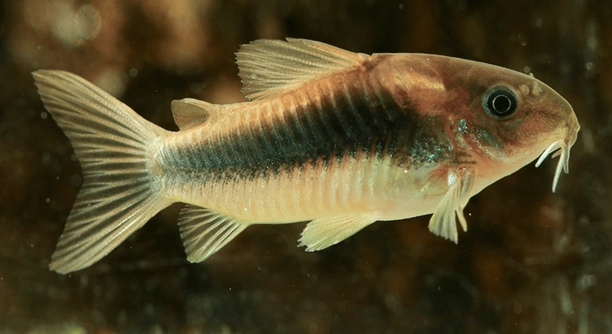
Corydoras catfish are known for their calm and peaceful nature, but sometimes they avoid certain tank mates. Understanding why this happens can help you provide the best environment for your fish and ensure harmony in your tank.
The primary reasons for your Corydoras catfish avoiding specific tank mates include aggression, territorial behavior, or incompatible water conditions. Some fish may cause stress, while others may disrupt the calm environment the Corydoras prefers, leading to avoidance.
Addressing these causes can improve your tank’s atmosphere and provide better companionship for your fish.
Aggressive Tank Mates
Corydoras catfish tend to avoid tank mates that exhibit aggressive behavior. Aggression can come in many forms, including chasing, fin nipping, or bullying. These behaviors stress the Corydoras, causing them to seek shelter or hide more often. This avoidance is their natural response to feeling threatened, as they prefer peaceful environments. Even if the aggressive fish isn’t actively attacking, its mere presence can cause the Corydoras to become anxious and reclusive. This behavior can significantly affect their overall health, as stress weakens their immune system and leads to other issues.
Aggressive species like larger cichlids or territorial fish may not be the right companions for Corydoras.
It’s important to understand the aggression levels of any tank mates. While some fish can peacefully coexist with Corydoras, others might overwhelm them with their boldness. Carefully selecting tank mates that share similar temperaments will prevent stress and help the Corydoras feel safe in their environment. Pay attention to species behavior to avoid unnecessary tension in the tank.
Tank Size and Space Limitations
A cramped tank can lead to stress for Corydoras catfish, causing them to avoid other fish. Limited space prevents them from establishing their territory, leading to conflict. It’s crucial to provide adequate swimming space, especially since Corydoras are active bottom dwellers that enjoy exploring. When other fish invade their area, they tend to retreat to corners or hide more often.
A tank that’s too small forces all fish to interact more closely, which increases the likelihood of territorial disputes. In such conditions, Corydoras feel overwhelmed, which can result in them avoiding certain tank mates. This stress impacts their behavior and health.
Providing a larger tank ensures that Corydoras have room to swim freely and find hiding spots when needed. In a spacious tank, each fish can maintain its personal space, reducing the chance of conflict. Additionally, the water conditions are easier to maintain, promoting a healthier environment for all species involved.
Water Conditions
Water quality plays a huge role in the behavior of Corydoras catfish. If the water parameters aren’t ideal, they may avoid tank mates. Corydoras are sensitive to changes in water temperature, pH, and hardness. A change in these factors can make them more stressed, leading to withdrawal.
If the water is too acidic, too alkaline, or too warm, Corydoras can become uncomfortable. This discomfort leads to them retreating and avoiding fish that they might otherwise get along with. Consistent, stable water conditions are essential for a thriving aquarium.
Regular water testing is necessary to ensure your Corydoras are in a safe environment. Keep the temperature between 72°F and 78°F and ensure the pH level is within 6.0 to 7.5. A stable environment reduces stress, allowing them to interact more peacefully with other tank mates.
Incompatible Tank Mates
Corydoras are peaceful, but some species may not be compatible. Aggressive or territorial fish may cause them to avoid certain tank mates. Corydoras prefer calm, gentle companions like other peaceful bottom dwellers.
Tank mates that are fast swimmers, larger, or more active could be overwhelming. This can lead to Corydoras seeking isolation, reducing their overall well-being. A peaceful and balanced community is key for creating a harmonious tank environment.
Health Issues
If your Corydoras catfish is avoiding other fish, it could be due to an underlying health issue. A sick Corydoras may become less social, withdrawing from other fish to conserve energy. This behavior is often linked to physical discomfort or stress.
FAQ
Why is my Corydoras catfish hiding all the time?
Corydoras catfish are naturally shy, and hiding can be a sign of stress. If your fish is constantly hiding, it may be due to poor water quality, aggression from other tank mates, or an unsuitable environment. It’s important to ensure the tank is peaceful, the water parameters are stable, and the fish have places to retreat if they feel threatened. Providing hiding spots like caves or plants can help them feel secure. If hiding persists, check for any signs of illness and ensure no aggressive species are in the tank.
Can Corydoras live with aggressive fish?
No, Corydoras prefer peaceful environments. Aggressive fish, especially larger or territorial species, can cause stress, leading Corydoras to avoid them. This can result in behavior changes, such as hiding more often or staying at the tank’s bottom. It’s best to pair Corydoras with gentle, non-aggressive tank mates to promote a calm atmosphere.
How can I tell if my Corydoras catfish is stressed?
Stressed Corydoras show behaviors like hiding, excessive darting, staying in one spot for too long, or even rubbing against surfaces. They may also stop eating or become lethargic. Monitoring water conditions and tank mates can help determine the cause of stress. It’s crucial to address these factors to prevent long-term health issues.
Can Corydoras catfish tolerate salt in their water?
Corydoras catfish are not tolerant of salt in their water. Adding salt to their environment can irritate their sensitive skin and gills, leading to stress and potential health problems. If your tank has salt, it’s best to remove it or switch to freshwater treatments to ensure the well-being of your fish.
Do Corydoras need a group?
Yes, Corydoras are social fish and thrive in groups. They are more active and less stressed when they have company. A group of at least 4-6 Corydoras is ideal, as it allows them to feel safe and interact with each other. Without other Corydoras, they may appear shy or withdrawn.
How often should I feed my Corydoras catfish?
Corydoras are bottom feeders and should be fed 2-3 times per day. They prefer sinking pellets or wafers, as these are easier for them to access. Make sure to avoid overfeeding, as leftover food can degrade water quality. It’s also essential to remove uneaten food after a few hours to prevent it from polluting the tank.
What is the ideal tank size for Corydoras catfish?
Corydoras need a tank that provides ample space for swimming and foraging. A minimum tank size of 20 gallons is recommended for a small group. Larger tanks allow for more natural behavior and provide room for multiple hiding spots, which help reduce stress. A spacious tank also helps maintain stable water conditions.
Are Corydoras catfish sensitive to water changes?
Yes, Corydoras catfish are sensitive to sudden changes in water parameters. Rapid fluctuations in temperature, pH, or hardness can stress them out. It’s important to perform water changes gradually and monitor the tank regularly for consistency. Keeping the water stable and clean is key to the health of Corydoras.
How can I improve my Corydoras catfish’s environment?
To improve your Corydoras’ environment, focus on water quality, tank mates, and space. Ensure the water temperature is stable, between 72°F and 78°F, with a pH of 6.0-7.5. Provide plenty of hiding spots using plants or decorations. Choose peaceful tank mates, and ensure the tank is large enough to reduce overcrowding.
Why do Corydoras catfish swim to the surface?
Corydoras may swim to the surface for oxygen if the water lacks sufficient aeration. While these catfish prefer the bottom, they can occasionally surface for air, especially if the water has low oxygen levels. Adding a filter with aeration or a surface agitation can help keep the water oxygenated.
Can Corydoras survive with bettas?
Corydoras and bettas can sometimes coexist peacefully, but this depends on the individual betta’s temperament. Bettas are known for their aggression, especially toward other fish with long fins. If the betta is calm, it may be fine with Corydoras. However, if the betta shows aggression, it’s best to separate them.
What do Corydoras catfish eat?
Corydoras are omnivores, primarily feeding on sinking pellets, algae, and small invertebrates. They also scavenge leftover food from the tank bottom. It’s important to offer a balanced diet to keep them healthy. Supplementing their food with occasional frozen or live foods like bloodworms or brine shrimp is a good idea.
Do Corydoras catfish need a filter?
Yes, Corydoras catfish benefit from having a filter in their tank. While they are hardy fish, good filtration helps maintain water quality by removing toxins and debris. A filter also aids in oxygenating the water, which is crucial for their well-being. Just ensure the filter’s current isn’t too strong for them.
Why is my Corydoras catfish not eating?
If your Corydoras catfish isn’t eating, it could be due to poor water conditions, stress, or illness. Check the water parameters and ensure they are stable. Also, assess the tank mates for any signs of aggression. If conditions are ideal and the issue persists, consult a vet to check for possible health problems.
How can I prevent disease in my Corydoras catfish?
Maintaining clean water, stable temperature, and a stress-free environment are the best ways to prevent disease in Corydoras. Quarantining new fish before adding them to your tank can also prevent the introduction of diseases. Regular water changes and monitoring the health of your fish will also help catch problems early.
Final Thoughts
Corydoras catfish are peaceful and social creatures, but their behavior can be influenced by several factors in their environment. If your Corydoras are avoiding certain tank mates or displaying signs of stress, it’s important to evaluate their living conditions. Water quality, temperature, and tank mates all play a crucial role in how comfortable and active these fish are. Ensuring that the water is clean, stable, and within the proper parameters can help reduce stress and encourage more natural behavior.
It’s also essential to monitor the dynamics of the tank. Corydoras thrive in peaceful communities and may avoid tank mates if they feel threatened or intimidated by more aggressive species. Choosing the right companions is key to fostering a calm, harmonious environment. Aggressive fish can cause Corydoras to retreat, hide, or even become ill over time. Always consider the temperament and size of potential tank mates before adding them to the aquarium.
Finally, taking the time to observe your Corydoras regularly and adjusting their environment as needed can go a long way in ensuring their health and well-being. A well-maintained tank with suitable water conditions, compatible fish, and ample space can help them thrive. By understanding the factors that influence their behavior and making the necessary adjustments, you can create a comfortable and stress-free habitat for your Corydoras catfish to enjoy.

Hello,
If you enjoy the content that we create, please consider saying a "Thank You!" by leaving a tip.
Every little bit helps us continue crafting quality advice that supports the health, happiness, and well-being of pets around the world, for pets of all shapes, sizes, and species.
We really appreciate the kindness and support that you show us!