
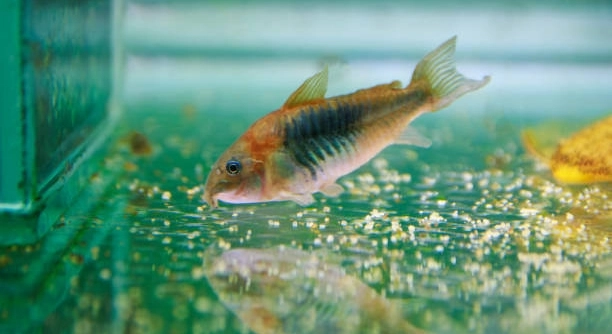
Do you notice your Corydoras catfish behaving differently after a water change? It can be puzzling when your fish’s behavior shifts after a routine task like changing the water, but this is not uncommon. Understanding why this happens can help improve their environment.
The change in behavior of Corydoras catfish after a water change is often due to factors such as changes in water temperature, pH, or water quality. These elements can stress the fish temporarily, affecting their movement and overall activity.
Taking note of the water conditions and changes can provide valuable insight into your Corydoras’ behavior. The following article explores seven common reasons why your fish might act differently after you perform a water change.
Change in Water Temperature
After a water change, the temperature of the water may fluctuate. Even slight temperature differences can cause stress to your Corydoras catfish, which are sensitive to their environment. If the water is too warm or too cold compared to what they’re used to, your fish might react by swimming erratically or hiding more than usual.
Your catfish could also be trying to adjust to the new temperature. This can lead to a period of inactivity or even a lack of appetite as they settle into their new environment.
To avoid these issues, always try to match the water temperature to the tank’s previous level before changing it. Gradually adjusting the water temperature during the change can prevent sudden shifts that might stress the fish. It’s also a good idea to use a thermometer to check the water’s temperature to ensure consistency. Keeping the temperature stable helps your fish feel more comfortable and return to their normal behavior faster.
Change in pH Levels
When you change the water in your aquarium, the pH level can shift. Corydoras catfish prefer stable pH conditions. If there’s a sudden drop or increase in pH, your fish may act differently. It can make them feel uneasy and cause them to hide or become lethargic.
A quick shift in pH can impact their gill function, causing shortness of breath or unusual behavior. This is particularly noticeable when the water is softer or harder than they’re used to.
To prevent pH issues, it’s important to test the water regularly and maintain a consistent pH level. Ideally, your water should have a pH level that matches the natural range of your catfish’s species. Adjusting the pH slowly over time, if necessary, will help your Corydoras adapt to the changes with minimal stress.
Water Quality
Water quality can drastically change after a water change, especially if it’s not thoroughly conditioned. Ammonia, nitrites, and nitrates might spike, affecting the water’s cleanliness. Even if the water looks clear, poor water quality can stress Corydoras catfish, causing them to act differently.
If the new water is not properly dechlorinated, this can harm the delicate gills of your Corydoras, leading to respiratory distress and odd behavior. Always treat tap water with a water conditioner before adding it to the tank. Testing the water for harmful chemicals regularly is crucial in maintaining a safe environment for your fish.
Using a reliable filter can also help keep the water quality stable. Frequent partial water changes will prevent toxic build-ups from affecting your catfish. If the water quality improves over time, your fish will likely return to their normal, active selves.
Sudden Changes in Light
Changes in light intensity can affect the behavior of your Corydoras catfish. Bright or sudden lighting changes after a water change might cause stress, making them seek shelter or stay near the bottom of the tank. These fish tend to prefer dim lighting environments, which makes them feel safer and more comfortable.
If the aquarium’s lighting is too bright or inconsistent after the water change, it can interfere with their natural habits. Corydoras are known to be more active in dimly lit spaces, so too much light might make them feel exposed, causing them to hide or swim erratically.
To prevent this, try to maintain a consistent light schedule in your aquarium. Using a timer for the lights and ensuring that the light intensity matches your catfish’s natural habitat will help them feel more secure and adjust back to their normal routine.
Stress from Handling
Handling your Corydoras during a water change can be stressful for them. Even though you’re trying to make their environment better, the process itself can cause anxiety. Moving plants or disturbing the substrate can also add to their stress.
Fish are sensitive to changes in their surroundings, and the mere act of cleaning the tank or rearranging objects can disrupt their sense of security. This is particularly true for Corydoras, which are bottom-dwellers that like stable, undisturbed spaces.
To minimize this stress, try to avoid disturbing the tank too much. Keep things calm, and only handle items that are absolutely necessary. Doing water changes during quieter times of the day can also help reduce the stress level for your fish.
Increased or Decreased Oxygen Levels
When you perform a water change, the oxygen levels in the tank can fluctuate. Corydoras catfish are sensitive to oxygen availability, and even small changes can cause them to behave differently. If the oxygen levels drop too low, your fish may become sluggish or swim near the surface in search of air.
To ensure stable oxygen levels, use an air pump or surface agitation to maintain water circulation. Keep the water movement steady but not too intense, as too much turbulence can stress your Corydoras. Regular water changes with proper filtration can also help maintain a balanced oxygen level in your tank.
Overfeeding After a Water Change
Overfeeding can cause problems after a water change. When you change the water, it can be tempting to feed your Corydoras more, thinking they’ll need extra nutrition. However, this can lead to uneaten food sinking to the bottom, leading to poor water quality and stressing your fish.
It’s better to stick to a regular feeding schedule and avoid overfeeding. Excess food decomposes and contributes to ammonia buildup, which can harm your catfish. After water changes, continue with the usual feeding routine to ensure your fish remain healthy without compromising the water quality.
FAQ
Why do my Corydoras catfish hide after a water change?
Corydoras catfish are sensitive to changes in their environment. After a water change, they might hide due to stress from the water temperature, pH shift, or even just the disturbance from the cleaning process. These fish feel safer in dark, quiet areas, so hiding is a natural response when they feel unsettled. Allow some time for them to adjust, and ensure that their environment is as stable as possible after the change.
How can I prevent my Corydoras catfish from getting stressed after a water change?
The best way to reduce stress is by maintaining a consistent environment. Try to keep the water temperature stable, avoid sudden changes in pH, and ensure that the water quality is good. Also, minimize handling during water changes and avoid disturbing the tank too much. Make sure that the fish have access to hiding spots where they feel secure.
How often should I change the water in my Corydoras tank?
Water changes are essential for maintaining a healthy tank. For Corydoras catfish, it’s recommended to change about 25-30% of the water every 1-2 weeks. This keeps the water fresh, reduces toxin buildup, and helps keep your fish comfortable. However, the frequency can vary depending on your tank size, filtration system, and the number of fish in the tank.
Can water changes affect the health of my Corydoras catfish?
Yes, improper water changes can harm your Corydoras. If the new water isn’t properly treated or has different temperature or pH levels, it can stress your fish and lead to health problems. It’s essential to match the temperature and pH of the new water to the tank’s conditions. Always use a water conditioner to remove chlorine and chloramine from tap water, and ensure that your filter is working correctly.
How do I know if my Corydoras catfish is stressed after a water change?
Stressed Corydoras catfish might exhibit signs like hiding more than usual, swimming erratically, or becoming less active. They may also stop eating or breathe more quickly if water quality is poor. If you notice these changes, it’s a sign that something in the tank environment might not be ideal. Test the water for temperature, pH, and other parameters to see if they have shifted too much.
What water temperature is ideal for Corydoras catfish?
Corydoras catfish generally thrive in water temperatures between 72°F and 78°F (22°C-26°C). Sudden temperature changes can cause stress, so it’s important to gradually adjust the water temperature during a water change. Using a heater with a thermostat can help maintain a consistent temperature.
Can Corydoras catfish tolerate high nitrate levels?
Corydoras catfish are sensitive to high nitrate levels, just like most other freshwater fish. Elevated nitrates can cause stress, damage gills, and lead to long-term health issues. It’s crucial to regularly test nitrate levels in your tank and perform water changes to keep them within a safe range (usually below 40 ppm).
Do I need to quarantine my Corydoras after a water change?
Typically, there’s no need to quarantine your Corydoras catfish after a water change unless they show signs of illness. However, if you’ve added new fish or changed significant aspects of the tank environment (such as introducing new plants or decorations), it’s always a good idea to monitor their health closely for a few days.
What is the best way to acclimate Corydoras to new water after a change?
To help your Corydoras catfish adjust after a water change, it’s important to introduce the new water slowly. Avoid sudden temperature or pH shifts by testing the water before and after the change and gradually matching it to the tank’s conditions. This slow adjustment helps prevent stress and gives your fish time to acclimate.
How can I maintain optimal water quality for my Corydoras catfish?
Good water quality is key to your Corydoras’ health. Make sure to have a reliable filtration system, perform regular water changes, and monitor ammonia, nitrite, and nitrate levels using test kits. Keep the tank clean by removing uneaten food and debris, and ensure your filter is working efficiently. Regular water testing and maintenance will help keep your fish happy and healthy.
Final Thoughts
Understanding why your Corydoras catfish act differently after a water change can help you provide them with a more comfortable and stable environment. These fish are sensitive to changes in their surroundings, and even small shifts in temperature, water quality, or light can cause them stress. By paying attention to these factors, you can reduce the chances of them becoming stressed and help them return to their normal behavior more quickly.
Keeping your tank’s environment as stable as possible is key to preventing issues after a water change. It’s important to test the water for things like temperature, pH, and nitrate levels before, during, and after changing the water. Maintaining a regular water change schedule helps keep the tank clean and the water quality high, which can prevent many common issues that affect your fish’s behavior. By doing this, your Corydoras catfish will feel more secure and healthy.
Overall, water changes are an essential part of aquarium care, but they need to be done with care to avoid causing stress to your fish. Avoid sudden changes in temperature, pH, or water chemistry, and make sure the new water is properly treated before adding it to the tank. With proper water care, your Corydoras catfish should thrive and behave normally, bringing a sense of calm back to your aquarium.

Hello,
If you enjoy the content that we create, please consider saying a "Thank You!" by leaving a tip.
Every little bit helps us continue crafting quality advice that supports the health, happiness, and well-being of pets around the world, for pets of all shapes, sizes, and species.
We really appreciate the kindness and support that you show us!