
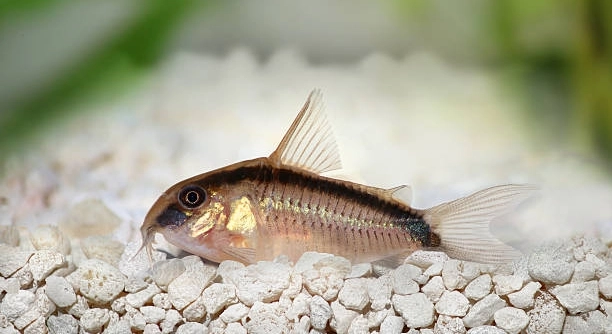
Corydoras catfish are popular in aquariums, known for their playful behavior and cute appearance. You may have noticed your fish interacting with their reflection in the glass. It can be fascinating to observe.
When your Corydoras catfish sees its reflection, it may not recognize it as itself. Fish often react to reflections as if they are encountering another fish. They might display behaviors such as swimming toward or away from the image.
Understanding these behaviors will help you better care for your Corydoras catfish. Identifying the signs of reflection recognition is important for their well-being.
The Behavior of Corydoras Catfish Around Their Reflection
Corydoras catfish are naturally curious creatures, often investigating their surroundings. When they come across a reflection in the aquarium glass, they may react in ways that suggest they think it’s another fish. Typically, they will swim towards the image, occasionally bumping into the glass. This behavior isn’t a sign of aggression but more of an instinctual response. They are trying to understand if the image is a potential mate, a rival, or simply something new to investigate.
While Corydoras don’t recognize themselves, they are sensitive to movements. They may see their reflection as another catfish but won’t show the same social interactions they would with other fish. This means you might notice them circling or even “fighting” with the reflection, though it’s harmless. Their reaction is more about exploring their environment and engaging with unfamiliar stimuli.
If you notice your Corydoras spending more time near the reflection, don’t worry. It’s just their way of exploring and learning. They will usually return to their usual activities, like searching for food, once they lose interest in the reflection.
Why Reflection Behavior Matters
Reflections can impact your Corydoras catfish’s behavior. Understanding how they react helps to ensure they stay comfortable in their environment.
Though it might seem harmless, constant interaction with reflections can lead to stress. Over time, stress can affect their health, causing issues like decreased appetite or more erratic swimming patterns. The more your fish engages with their reflection, the more their environment may feel unnerving to them. Ensuring they don’t interact with their reflection for long periods can help prevent unnecessary stress. Keeping your tank environment balanced with plenty of hiding spots and decorations will help them feel secure. This allows the fish to focus on natural behaviors rather than responding to the image in the glass.
By offering a safe and secure space for your Corydoras, you can avoid negative effects on their health. It’s always important to monitor how they interact with the tank and adjust the environment as needed.
Identifying Reflection-Related Stress in Corydoras Catfish
Stress from reflections in the tank can lead to behavioral changes in Corydoras catfish. If they are constantly facing the glass, this could be a sign of stress. You might see them become more active or appear agitated.
Excessive interaction with their reflection can cause Corydoras to feel threatened. They may begin to swim in quick, erratic patterns or even show signs of aggression towards the image. This behavior can be draining for them, especially if it continues for an extended period. Fish under stress may also exhibit unusual hiding behaviors or seem less social compared to their usual habits.
You may notice a decrease in their activity level after they spend too much time near the glass. Over time, this stress can impact their overall health. To reduce stress, ensure your tank setup includes plenty of hiding places where your fish can retreat from the glass if needed.
Reducing Reflection Stress in Your Corydoras Catfish
One effective way to minimize reflection stress is by adjusting the lighting in your aquarium. Bright lighting, particularly in areas where reflections are most noticeable, can encourage your fish to engage with the image. Lowering the tank lights or using dimmer lighting can help them feel more at ease.
Adding plants, rocks, or other decorations can help distract your Corydoras from the glass. These elements provide natural hiding spots and make the environment feel more secure. You could also consider placing background decorations like posters or films that obscure the glass and prevent your fish from seeing their reflection. These simple adjustments can make a big difference in your catfish’s behavior and comfort.
Regularly observe your Corydoras to make sure they’re not consistently reacting to their reflection. By keeping the tank environment calm and secure, you can help ensure your fish stay healthy and stress-free.
How Long Does the Reflection Behavior Last?
The reflection behavior in Corydoras catfish usually lasts for a short period. Once they realize the image isn’t another fish, they may lose interest. This can take anywhere from a few minutes to a couple of hours.
However, if the fish frequently encounter their reflection, they may continue the behavior longer. Some Corydoras may keep interacting with their reflection if the aquarium setup encourages it, like a highly reflective surface. Over time, the novelty wears off, and the fish will likely return to their usual activities as they recognize the reflection doesn’t pose a threat.
Impact on Corydoras Health
Frequent stress from reflection can affect your Corydoras catfish’s health. Prolonged periods of agitation may cause physical symptoms, such as a decrease in appetite or unusual swimming patterns. Stress can weaken their immune system, making them more vulnerable to diseases.
It’s important to recognize if your Corydoras are showing signs of stress, especially if they’re constantly reacting to their reflection. Offering a calm environment with enough hiding spots can help minimize these behaviors. Maintaining a healthy and secure environment for your fish is crucial to their well-being.
What To Do If Stress Persists
If the reflection behavior persists, consider adjusting the aquarium setup further. Adding more plants, decorations, or even a background film can make the reflection less noticeable. Creating a distraction can help your fish feel less threatened.
By ensuring your Corydoras have a stress-free environment, you can avoid long-term health issues.
FAQ
How can I tell if my Corydoras is stressed by its reflection?
Stress from reflection is easy to spot if you pay attention to your Corydoras’ behavior. If your fish is constantly swimming towards the glass or bumping into it, that’s an immediate sign. Another indicator is if they seem unusually active or agitated, constantly moving in erratic patterns around the tank. If your Corydoras suddenly starts hiding more or acting less social, it might be because they’re stressed by their reflection. These are all signs that the reflection is affecting their peace.
Is it bad for Corydoras to see their reflection regularly?
Seeing their reflection isn’t inherently harmful, but it can become problematic if it happens frequently. Constant exposure to their reflection may cause Corydoras to feel threatened or confused. This stress can lead to long-term health issues, such as weakened immune systems or loss of appetite. While it’s normal for fish to occasionally interact with their reflection, the key is to prevent them from doing so for extended periods. Maintaining a calming environment and reducing reflections can help your fish stay healthy.
How can I reduce reflection stress in my Corydoras tank?
There are a few simple ways to reduce reflection stress. First, ensure your aquarium lighting is balanced. Bright lights, especially when positioned near the glass, can create strong reflections. Dim the lighting or use soft, indirect lighting to minimize this. You can also add plants, rocks, and decorations to block the reflection or provide hiding spots. A background film or poster on the outside of the tank can also prevent your Corydoras from seeing their reflection. These small changes can go a long way in reducing stress.
Can Corydoras recognize themselves in the reflection?
No, Corydoras catfish cannot recognize themselves in a reflection. Like most fish, they likely see the reflection as another fish, which is why they react to it. They may swim toward it, display territorial behavior, or even attempt to interact as if they’re encountering another catfish. However, they don’t have the ability to identify themselves in the image as humans or some other animals do.
How do I know if my Corydoras is just playing or actually stressed by its reflection?
When Corydoras catfish are simply playing, they may approach the glass and swim around it but not act overly agitated. If they’re just interacting out of curiosity, the behavior will usually be short-lived, and they’ll return to their regular activities. However, if your fish starts swimming erratically or displaying signs of aggression towards the reflection, this is a sign of stress. Constantly circling the glass or staying in the same spot for too long is also a red flag.
Is it normal for Corydoras to fight with their reflection?
Corydoras catfish might show signs of aggression toward their reflection, especially if they see the image as a potential rival. They may swim aggressively at the glass or display defensive postures like flaring their fins. This behavior is common and not necessarily a problem unless it persists for extended periods, leading to stress. If your Corydoras is fighting with its reflection, it’s best to adjust the tank setup to minimize this interaction.
How long should I let my Corydoras interact with their reflection?
Corydoras should not interact with their reflection for long periods. Ideally, any reflection-based behavior should only last a few minutes. If your fish is persistently reacting to the reflection for more than an hour or two, it may be time to adjust the environment. Continuous interaction with their reflection can lead to increased stress, so try to limit the amount of time they are exposed to it.
What are the signs that my Corydoras is becoming unhealthy due to reflection stress?
If your Corydoras is stressed by reflections for too long, you may notice changes in their behavior and appearance. A decrease in appetite, erratic swimming patterns, or excessive hiding are all common signs of stress. You might also notice that your fish becomes more lethargic or starts losing weight. If stress continues over time, it can lead to more severe health problems, including a weakened immune system and vulnerability to illness.
Can I prevent my Corydoras from ever seeing its reflection?
While you can’t fully prevent your Corydoras from occasionally encountering its reflection, you can minimize it by controlling the tank’s environment. Adding decorations, adjusting the lighting, and placing a background film on the glass can all help limit reflections. By creating a more secure and distraction-free environment, you reduce the chances of your fish constantly interacting with its reflection. These steps will ensure your fish feel more at ease in their habitat.
How often should I check if my Corydoras is stressed by reflections?
It’s important to regularly observe your Corydoras, especially during the first few weeks after setting up the tank. Check for signs of stress, such as increased aggression or hiding behavior, after changes to the lighting or tank decor. Once you’re familiar with their usual habits, you can more easily spot when something is off. Regular monitoring will help ensure that your Corydoras remain calm and healthy.
Final Thoughts
Corydoras catfish are fascinating creatures that bring joy and personality to any aquarium. They’re known for their playful behavior and their unique way of exploring their environment. However, their reactions to reflections can sometimes cause concern for aquarium owners. While it’s natural for these fish to interact with their reflection, it’s important to ensure that it doesn’t lead to stress or health problems. The behavior, though harmless in short bursts, can be a sign of stress if it continues for long periods, so it’s essential to be mindful of how your Corydoras are reacting to the tank’s setup.
Maintaining a peaceful and secure environment for your Corydoras is key to their well-being. By adjusting the lighting, adding decorations, and perhaps using a background film, you can reduce or prevent reflections that may stress your fish. It’s also helpful to observe your catfish regularly to spot any signs of stress early on. If they show unusual behavior, such as swimming frantically or hiding excessively, it might be time to change the tank environment. A calm aquarium where your fish can comfortably explore, eat, and interact with their tank mates will promote a healthier and happier Corydoras.
Understanding how Corydoras react to their reflection and knowing what to do when stress becomes an issue will help you care for them in the best way possible. While it might take some trial and error to find the perfect setup, the effort is worth it for the well-being of your fish. By being proactive and adjusting the tank as needed, you can ensure that your Corydoras are not only thriving but also enjoying their time in their aquatic home.

Hello,
If you enjoy the content that we create, please consider saying a "Thank You!" by leaving a tip.
Every little bit helps us continue crafting quality advice that supports the health, happiness, and well-being of pets around the world, for pets of all shapes, sizes, and species.
We really appreciate the kindness and support that you show us!