
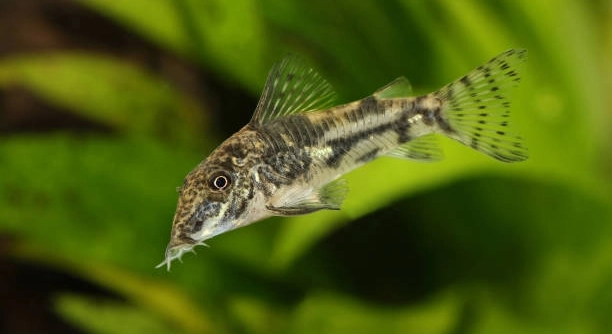
Do you ever find yourself watching your Corydoras catfish and wondering if it’s struggling to find its place in the tank?
Corydoras catfish may become stuck in the tank hierarchy when they are consistently excluded from group activities, feeding times, or show signs of stress due to dominant fish behavior.
Subtle changes in behavior can signal deeper social issues, and spotting these early can make a big difference in your fish’s well-being.
7 Clues Your Corydoras Is Stuck in the Tank Hierarchy
When Corydoras catfish are low in the tank’s social structure, the signs can be subtle but meaningful. These fish are naturally peaceful and social, often moving in groups and feeding together. If one is always hiding or staying away from others, it might be struggling to fit in. You may notice it darting around more than usual, showing pale coloration, or spending too much time near the top or bottom without exploring. Another sign is during feeding—if it waits until others are done or skips food altogether, that’s a red flag. Nipped fins, weight loss, or being chased away are also clear signs something isn’t right. The cause could be aggressive tank mates, overcrowding, or a lack of proper hiding spots. It’s important to observe tank behavior regularly. One fish behaving differently can point to a larger problem in the setup or group dynamics that needs addressing.
Watch your Corydoras during feeding time. If it always hangs back or eats less, it may feel unsafe around dominant fish.
Aggression isn’t common among Corydoras, so if you see one being pushed around or chased, it likely means other fish in the tank are asserting control. This can stress the affected Corydoras, leading to health issues over time. The constant pressure of being on the edge of the group can lead to poor immune response, making them more prone to illness. This behavior can also stop them from performing natural actions like sifting through the substrate or socializing with others. A peaceful tank is key for Corydoras to thrive, so any sign of exclusion should be taken seriously. If the issue is not fixed early, it can create long-term stress. Adjustments like rearranging the tank, adding more hiding spaces, or rehoming aggressive fish can help restore balance and allow all Corydoras to live more comfortably.
Why Tank Setup and Group Size Matter
Tank setup affects fish behavior more than most people realize. Poor layout or overcrowding can increase stress and promote social imbalance among fish like Corydoras.
Corydoras do best in groups of at least six, as they rely on shoaling to feel secure. If kept alone or in smaller groups, they often become anxious and more prone to being pushed out by other fish. The tank should have soft substrate and enough hiding spots, such as plants or caves, to let shy fish retreat when needed. This gives the lower-ranked fish places to escape and rest without constant stress. Overcrowding is another major problem. If too many fish share limited space, aggression and competition can grow. Always check compatibility before adding new tank mates, and avoid keeping Corydoras with species known to chase or nip. A calm environment helps each fish find its place, reducing the chance of one getting stuck at the bottom of the social ladder. Balance and space make all the difference.
How to Help a Corydoras That’s Being Left Out
Sometimes all it takes is rearranging the tank to break up territories. Changing the layout can reset social behavior and reduce stress on the excluded Corydoras. It also helps reduce dominant patterns formed by more assertive fish.
Adding more plants, driftwood, or decorations gives the weaker fish more hiding spaces and reduces visual contact with more dominant tank mates. It creates a safer feeling and helps them relax. Check your group size—Corydoras need company. If there are fewer than six, try adding more of the same species to give them a sense of safety. You can also feed in different spots around the tank to make sure each fish has a chance to eat without competition. Spreading out food prevents the dominant fish from hogging it. Watch for changes and make sure the situation is improving over time. Sometimes a little adjustment goes a long way.
If nothing changes, consider separating the aggressive fish or moving the stressed Corydoras to another tank. This can be temporary or permanent, depending on how the group responds. Adding tank dividers can also be a helpful short-term fix. It gives the weaker fish a break while keeping the others close by. Monitor water quality too—bad conditions can make stress worse and increase aggression. Sometimes the problem isn’t just behavior, but the environment itself. Keep up with tank maintenance, including weekly water changes and checking filter function. A calm, clean setup is easier on all fish. If one Corydoras still isn’t doing well after all this, it might be time to consult a vet who knows aquatic species. It could be health-related and not just about the social setup.
What to Avoid When Trying to Fix It
Don’t rush to rehome fish unless you’ve tried other solutions. Making quick changes without understanding the full situation can cause more harm than good. Observe behavior over a few days before acting.
Avoid adding new fish right away as a fix. This can make things worse if the tank is already crowded or the new additions don’t get along with the current fish. If you think adding more Corydoras might help, check your tank size and filter capacity first. Sudden lighting changes or loud external noises near the tank can also stress fish out, even if your main focus is on fixing social issues. Don’t remove decorations without adding replacements, and never change everything at once. Fish need some consistency to feel safe. Finally, don’t assume aggression is normal—especially with peaceful species like Corydoras. When one fish is always hiding, it’s a sign something’s wrong, not just a personality trait.
Common Mistakes That Make Things Worse
Feeding only in one spot can lead to competition and push shy Corydoras away. Use multiple feeding zones to give every fish a chance.
Ignoring early signs like hiding or skipping meals can lead to long-term stress. Watch closely so you can act before the situation gets worse.
When It’s Time to Step In
If your Corydoras shows constant stress—like pale color, hiding, or weight loss—it’s time to act. Leaving it too long can weaken their immune system and cause illness. Start by checking your setup, group size, and tank mates. If needed, isolate the aggressive fish or move the struggling one to a separate tank. Sometimes removing one problem fish can settle the entire group. Test your water regularly to rule out environmental stressors. Try dimming lights and lowering loud sounds near the tank. If nothing works after making changes, contacting a vet who handles fish can help rule out illness.
A Peaceful Tank Makes a Big Difference
When all fish feel safe and included, their natural behavior shines. Keeping the tank peaceful helps every Corydoras stay active, healthy, and stress-free.
FAQ
Can Corydoras be bullied by other peaceful fish?
Yes, even peaceful fish can sometimes dominate others, especially if the tank is too small or lacks hiding spaces. Corydoras are gentle and usually avoid conflict, so even small acts like nudging, chasing, or stealing food can stress them. Species like tetras or barbs, while considered calm, may still outcompete Corydoras during feeding if the environment isn’t balanced. Watching tank dynamics closely is the best way to notice if one fish is being left out or picked on regularly. A larger tank and more cover can help keep things calm.
How do I know if my Corydoras is stressed?
Look for signs like hiding more often, rapid breathing, pale or dull coloration, and changes in eating habits. A stressed Corydoras might also stop exploring or avoid other fish entirely. If it no longer sifts through the substrate or is always hovering near the surface or stuck in a corner, that’s a concern. Physical signs like torn fins or weight loss can show long-term stress. Even small changes in behavior can mean something isn’t right. It’s important to act early before the stress affects their health.
Can tank size affect hierarchy problems?
Absolutely. Smaller tanks make it harder for fish to establish space, which can lead to more competition. Corydoras need room to shoal and explore. If they’re crowded, stronger fish may take over key spots, and weaker ones get pushed to the sides. A bigger tank allows better separation and gives each fish its own space to rest and feed. The more space available, the less likely hierarchy issues will become a serious problem. Always match your tank size to the number and type of fish you have.
Is it okay to keep only two or three Corydoras?
Keeping only two or three Corydoras can cause stress and social imbalance. These fish are shoaling species and feel safer in groups of six or more. Small groups might not interact normally, and one may end up isolated. They rely on each other for comfort and natural behaviors like foraging together. If you’re short on space, it’s better to wait until you can provide enough room for a proper group. When kept in the right numbers, they tend to be more active and healthier.
What should I do if one Corydoras always eats last?
Try spreading food out in several areas of the tank so it doesn’t have to compete in one spot. Use sinking pellets or wafers that stay in place longer. You can also feed a little more than usual to make sure there’s enough for everyone. Watch to see if another fish is blocking access or chasing it away. If the behavior keeps happening, the fish may be feeling unsafe. Creating more hiding spaces or rearranging the tank can help it feel more secure during feeding times.
Do Corydoras form a pecking order like other fish?
Corydoras can have mild social rankings, but they aren’t usually aggressive about it. In a well-balanced group, they get along without much conflict. If one fish starts to isolate or is excluded, it’s likely due to stress, space issues, or stronger fish of other species dominating the tank. Within their own group, they’re more about following and shoaling than competing. However, a lack of space or too few hiding spots can still create mild social tension even among them.
Is aggression from other species the only reason a Corydoras might isolate?
No, isolation can also come from illness, poor water quality, or even old age. Sometimes a Corydoras will separate itself when it doesn’t feel well or is recovering from injury. Check water parameters, observe feeding, and look at its physical condition. If everything seems fine with other tank mates, health might be the issue. Having a quarantine tank can help you monitor it more closely and give it a quiet space to recover without being stressed by the group.
Can lighting affect tank hierarchy?
Yes, bright lights can make shy fish feel exposed and stressed, especially if there’s not enough cover in the tank. Corydoras often prefer dimmer environments with places to hide. Strong lighting can make aggressive or dominant behavior more noticeable and force the weaker fish into hiding. Try using floating plants or adjusting the light cycle to reduce stress. Giving fish visual breaks from light helps restore balance and comfort in the tank, especially for bottom dwellers like Corydoras.
Do all Corydoras get along with each other?
Most Corydoras species get along well, especially if they’re the same type. Mixing different species is usually okay as long as they’re similar in size and temperament. However, it’s still best to keep groups of the same species when possible. They recognize each other better, and group behavior is more consistent. Mixing types can sometimes lead to uneven shoaling or confusion, which may cause a few to isolate themselves. When starting out, sticking to one variety per group is a safer choice.
Final Thoughts
Keeping a peaceful tank takes more than just feeding your fish and cleaning the water. For fish like Corydoras, their social needs are just as important. These small bottom dwellers thrive when they feel safe, included, and supported by the group. When one fish starts acting differently—hiding, eating less, or avoiding others—it may be a sign of a deeper issue. Tank hierarchy can develop even in peaceful communities, and it can lead to stress if not managed properly. Watching your fish regularly helps you spot these signs early, so you can make changes before the stress causes long-term harm.
A balanced tank setup, the right group size, and calm tank mates all play a big part in keeping your Corydoras happy. Shoaling fish like these need to be in groups of at least six to feel secure. They also need hiding places, soft substrate, and enough space to move freely. If you notice bullying or one fish falling behind, it might be time to change the layout, adjust feeding habits, or check if another fish is being too dominant. Often, small changes like spreading out the food or rearranging plants can make a big difference in how your fish behave. Sometimes, more serious steps like separating aggressive fish or increasing group size are needed.
In the end, a peaceful tank is about more than avoiding fights. It’s about making sure every fish has what it needs to thrive. Corydoras are sensitive, gentle fish that show their best behavior when they’re comfortable and included. Paying attention to their habits, adjusting your setup, and learning their social cues will help you create an environment where no one is left out. With time, patience, and a few careful changes, you can make sure each fish in your tank feels safe and healthy. A well-balanced community leads to less stress, fewer health problems, and more natural, active behavior from your Corydoras. Keeping an eye on these little details can go a long way toward giving your fish a good life.

Hello,
If you enjoy the content that we create, please consider saying a "Thank You!" by leaving a tip.
Every little bit helps us continue crafting quality advice that supports the health, happiness, and well-being of pets around the world, for pets of all shapes, sizes, and species.
We really appreciate the kindness and support that you show us!